
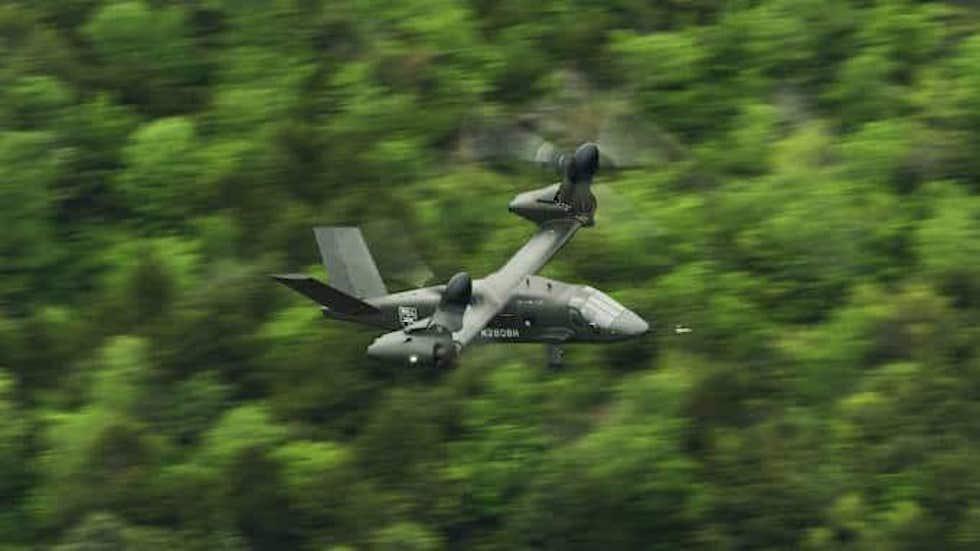
In a significant shake-up for military rotorcraft production, Bell is poised to reassess its supply chain for the Future Long Range Assault Aircraft (FLRAA) program as Boeing finalizes its acquisition of Spirit AeroSystems. The deal, expected to close by mid-2025, could disrupt Bell’s long-standing partnership with Spirit, which has been a key supplier for the V-280 Valor aircraft. This aircraft is anticipated to be a critical asset for the U.S. Army, with a projected fleet size of 400-500 units before considering international sales.
The impending acquisition has prompted industry speculation that Bell may seek alternative suppliers or even consider bringing fuselage production in-house. Such a shift would mark a significant departure from Bell’s decade-long collaboration with Spirit on the V-280 program. Despite the uncertainty, Spirit AeroSystems has affirmed its commitment to the FLRAA program. “Spirit has had a successful, 10-year partnership with Bell on this program, and we will continue to work with them to deliver on our joint commitments,” said Joe Buccino, Spirit’s spokesperson.
Bell and Boeing, however, have remained tight-lipped about the future of their supplier relationships. This potential transition is notable, especially given Bell and Boeing’s history of collaboration on the V-22 Osprey program, a partnership that faced numerous engineering and cost challenges. Boeing’s decision to partner with Sikorsky on a compound rotor design for its FLRAA bid is seen by some as a response to those earlier issues.
While much of the attention surrounding Boeing’s acquisition of Spirit has focused on the commercial implications—particularly Spirit’s role in manufacturing fuselages for the Boeing 737—there are growing concerns about its impact on defense programs. Senator Jerry Moran (R-Kan.) has expressed particular concern about maintaining Spirit’s defense capabilities, which are crucial to programs like Northrop Grumman’s B-21 Raider and Lockheed Martin’s CH-53K heavy-lift helicopter. Moran stressed the importance of avoiding any disruption in the defense supply chain, saying, “I want to make certain that we do not do anything in this acquisition that diminishes the capability of meeting our defense needs nationwide, or globally, by any kind of pause or disruption in the supply chain.”
As Bell awaits the U.S. Army’s Milestone B approval, which will signal the start of the engineering and manufacturing development phase for the FLRAA, all eyes are on how the company will navigate the anticipated supply chain changes to keep the program on track.