
Kenya Airways prepares for a formal search for a strategic investor by 2025, with plans to expand its fleet to 60 aircraft by 2029 — part of a broader effort to strengthen competitiveness and build sustainable growth across African aviation.
Kenya Airways is preparing the ground for a formal search for a strategic investor, expected to begin by the end of 2025. The initiative marks a significant step in the airline’s long-term plan to strengthen its capital base, expand its fleet, and enhance competitiveness in regional and international markets.
The airline has already begun the preparatory and documentation phase ahead of seeking government approval later this year. The Kenyan government, which holds a 49 percent share in the carrier, has signalled its support for attracting new investment through additional capital injection — a move that would dilute existing shareholders but provide the financial flexibility required for growth.
Kenya Airways is listed on the Dar es Salaam, Kampala and Nairobi stock exchanges. A formal investor process is expected to attract a broader range of potential partners than previous informal discussions, offering the possibility of strategic collaboration within Africa or beyond.
The airline had earlier explored a joint holding company structure with South African Airways, intended to create a pan-African airline group capable of securing collective investment. However, with SAA’s withdrawal from the proposal, Kenya Airways has opted to pursue an independent strategy while remaining open to alignment with another African carrier of similar vision and operational scale.
The airline’s leadership recognises that cross-border partnerships remain complex, often involving multiple jurisdictions, currencies and regulatory frameworks. Nonetheless, consolidation and scale are viewed as critical for African airlines seeking to compete sustainably in a global market dominated by larger international players.
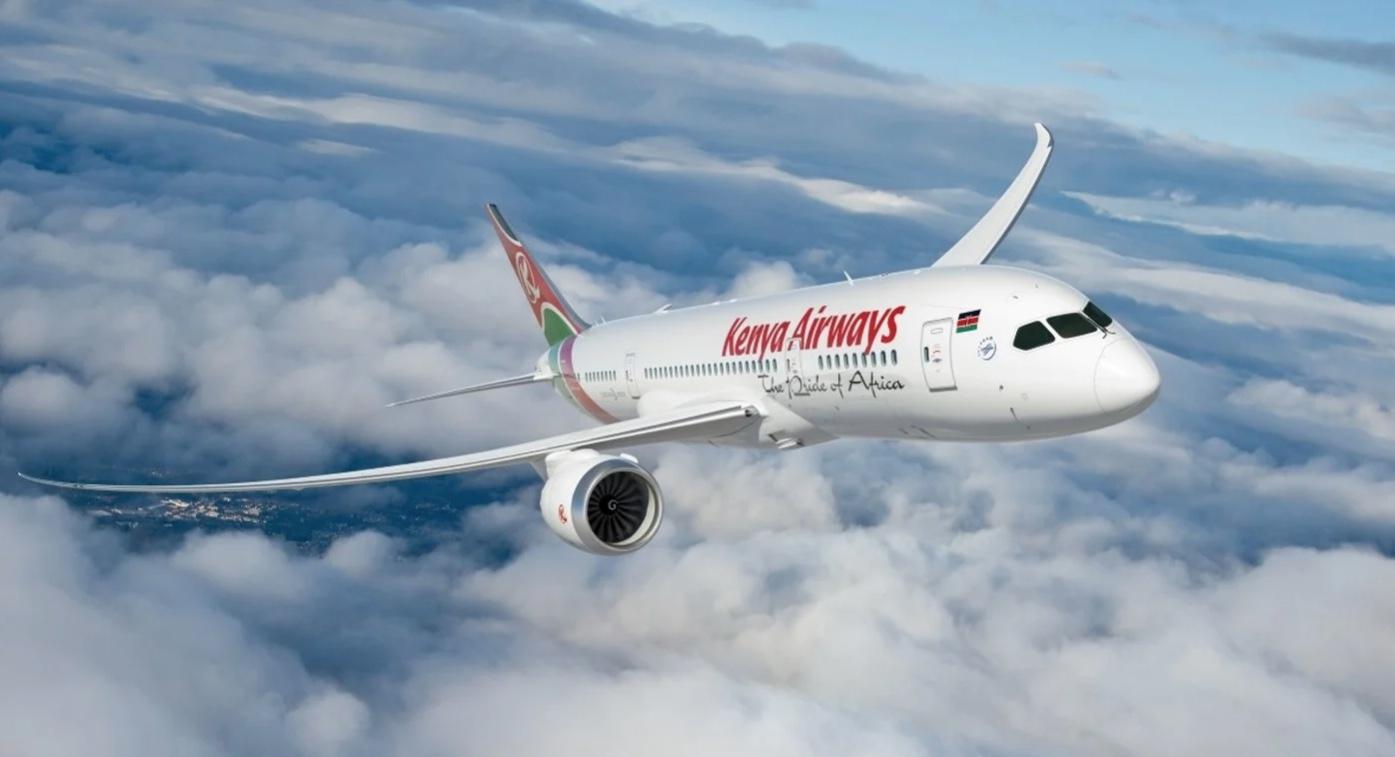
Kenya Airways currently operates a fleet of 34 aircraft, or 42 including those of its low-cost subsidiary, Jambojet. The carrier aims to expand this number to around 50 in the near term, with a target of 60 to 65 aircraft by 2029 — subject to investor engagement and regulatory approval.
The move reflects a broader industry trend across Africa, where airlines are seeking deeper cooperation, improved efficiency, and stronger capital structures to position themselves for future growth.
SOURCE AND IMAGE: KENYA AIRWAYS