
BAE Systems’ three Azalea RF satellites and an ICEYE SAR satellite have launched into low Earth orbit, forming a UK-led multi-sensing cluster designed to deliver near real-time intelligence for defence, security and civil applications.
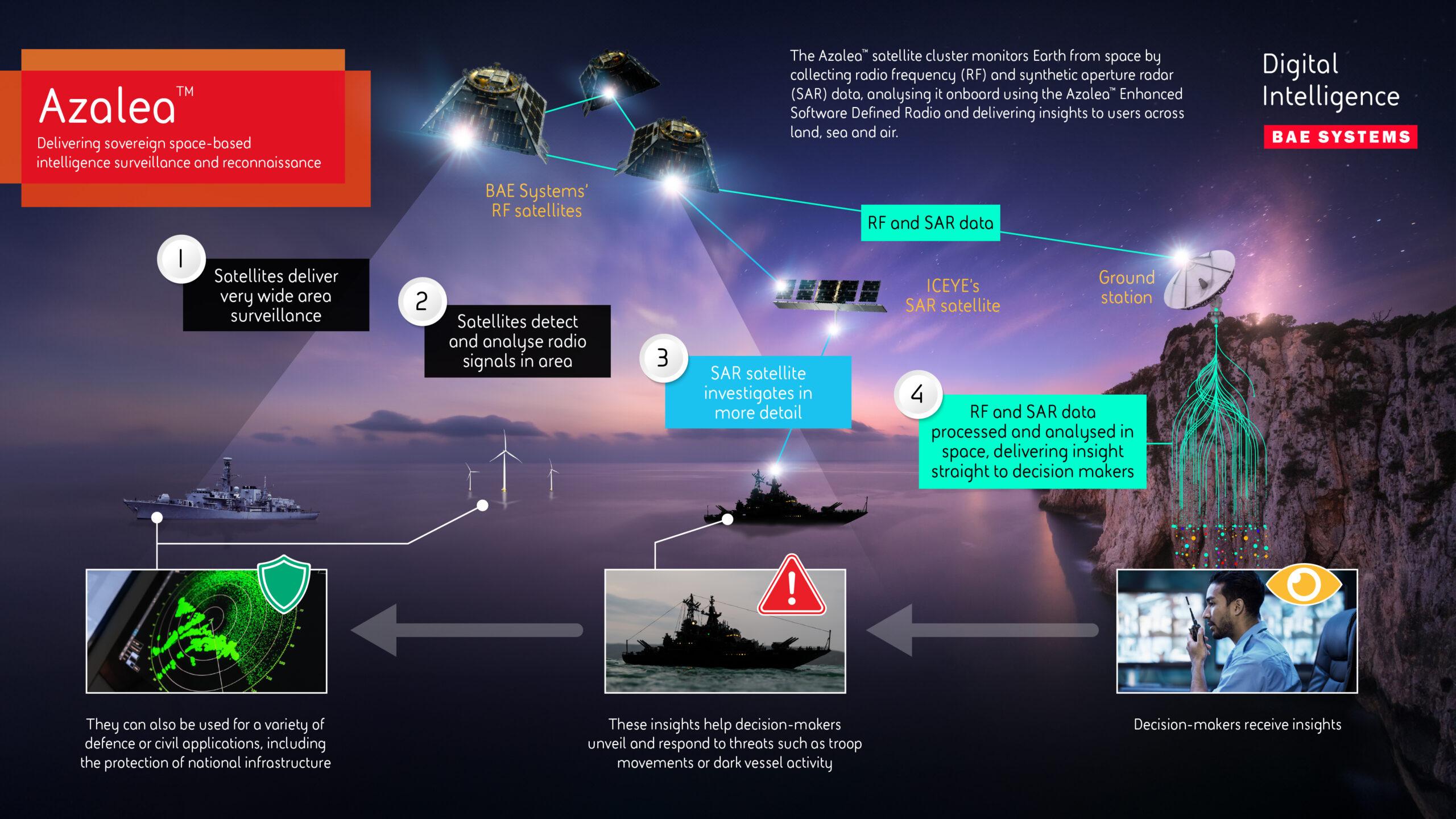
A cluster of British designed and built satellites has been successfully launched into low Earth orbit, marking a significant step forward for the United Kingdom’s space-based intelligence, surveillance and reconnaissance (ISR) capabilities. The launch strengthens support for defence, security and civil sectors, enhancing the nation’s ability to respond to modern threats.
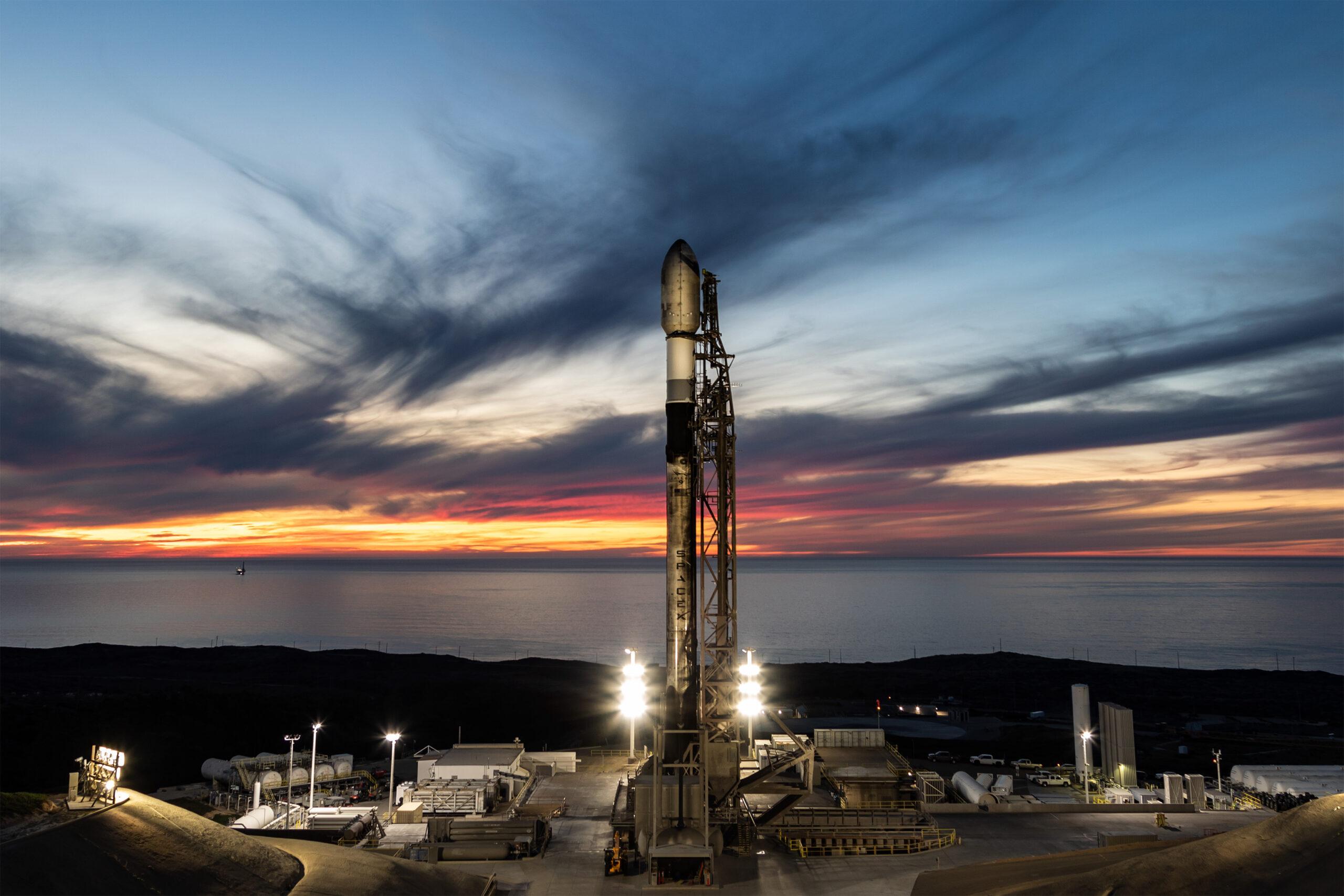
Three BAE Systems Azalea radio frequency (RF) satellites lifted off on 28 November 2025 via Exolaunch as part of SpaceX’s Transporter-15 rideshare mission. Initial communications with the UK-produced satellites were confirmed during the first three contact windows between 23:05 and 04:55 GMT, signifying a key milestone in the company’s self-funded Azalea mission.
Flying in formation at an altitude of 350 miles, the satellites use ultra-wideband RF sensors to monitor and geolocate radio signals across vast distances on Earth. The RF spacecraft are joined by a Synthetic Aperture Radar (SAR) satellite from Finnish company ICEYE, also launched on Transporter-15. Together, the four-satellite cluster forms an advanced multi-sensing system capable of processing RF and SAR data in space to deliver actionable information directly to decision-makers on land, sea and air.
The system is designed to provide near real-time insights that can support the protection of armed forces, safeguard critical national infrastructure and help detect illegal maritime activity. Over the next several months, BAE Systems will trial this combined RF and SAR data capability, engaging with customers to assess applications ranging from intelligence gathering to disaster relief.
Andrea Thompson, Group Managing Director at BAE Systems’ Digital Intelligence business, said the mission builds on “decades of experience in defence, security and space innovation,” adding that the Azalea mission “reflects the critical role space plays in defence and national security, offering a unique vantage point of Earth which enables us to better understand and respond to today’s complex threats.”
“This cutting-edge technology is designed to deliver near real-time, space-based insights directly to users, empowering them to make informed decisions that help protect the UK and its allies,” she said. “I’m incredibly proud of the team for their work to boost the UK’s space capability.”
Each RF satellite weighs about 150 kilograms and carries the Azalea Enhanced Software Defined Radio, developed, built and operated by BAE Systems. Using artificial intelligence, the onboard equipment processes RF and SAR data, transforms it into actionable intelligence and securely transmits it back to Earth. The payload can also be reconfigured remotely while in orbit, maintaining the constellation’s ability to support future missions as technology advances.
Travelling at approximately 7.6 kilometres per second, the satellites will orbit Earth every 90 minutes.
Dr Paul Bate, CEO of the UK Space Agency, welcomed the achievement, saying the launch will “increase the availability of advanced information from space, to help meet the fast-growing global demand from civil, national security and defence customers.” He added that the AI-enabled satellites “represent a significant and welcome investment by BAE Systems in the UK space industry, which plays a vital role in driving economic growth and keeping us safe.”
SOURCE AND IMAGES: BAE SYSTEMS