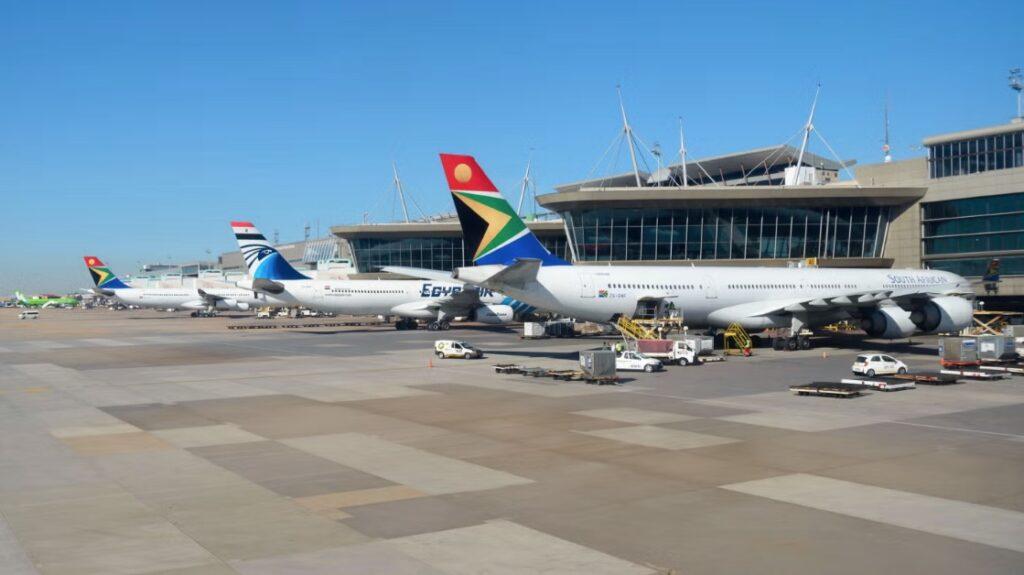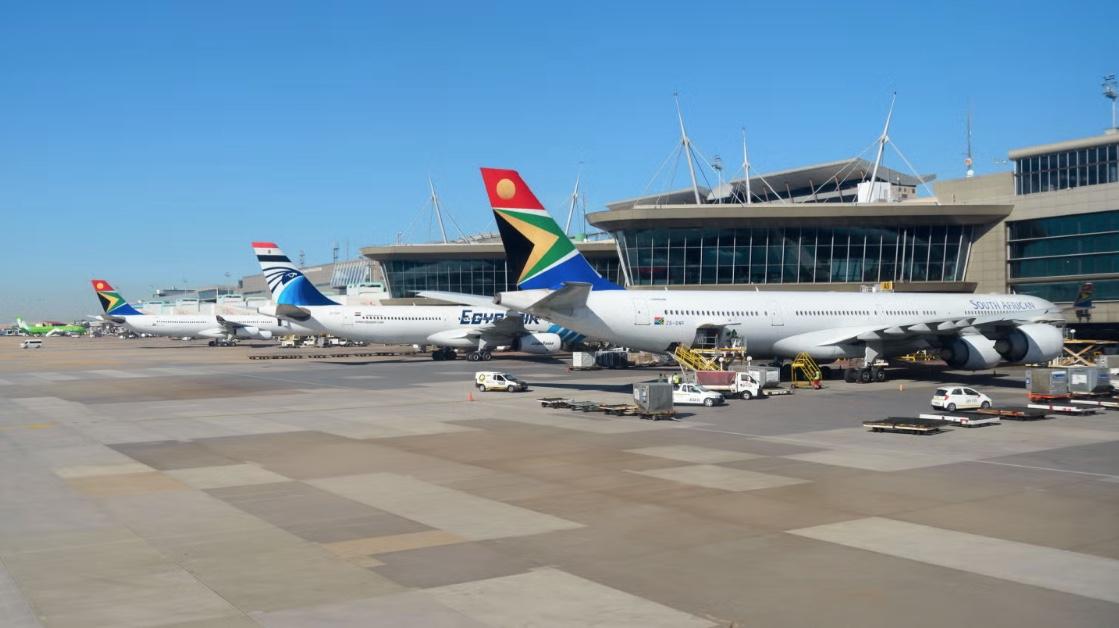
AASA becomes the first airline association to back IATA’s CO₂ Connect, promoting accurate, transparent emissions data reporting among African carriers through verified operational data and a global standardised methodology.
The Airlines Association of Southern Africa becomes the first airline association to formally support IATA’s CO₂ Connect, paving the way for more accurate emissions measurement and transparent reporting across the continent.
The Airlines Association of Southern Africa (AASA) has taken a significant step to enhance emissions transparency across the region, signing a Memorandum of Understanding (MoU) with the International Air Transport Association (IATA) to promote the IATA CO₂ Connect emissions calculator among its 16 member airlines and carriers across Africa.
AASA is the first airline association globally to formally support the tool, which uses verified operational data, including aircraft-specific fuel consumption, and applies a globally standardised methodology. The initiative aims to give airlines—and their corporate partners—access to trusted emissions data, reducing the risk of inaccurate reporting and supporting compliance in markets where carbon tax applies, such as South Africa.
“IATA CO₂ Connect addresses airlines’ and their customers’ need to accurately measure CO₂ emissions,” said Aaron Munetsi, AASA’s CEO. “By using verified operational data and an internationally recognised methodology, it removes the potential for inaccurate reporting. This also has bottom-line implications in markets such as South Africa, where a carbon tax is applied to domestic aviation.”
Under the agreement, IATA will provide technical and operational support to AASA and its members, helping African airlines integrate the system and contribute high-quality fuel burn data.
Kamil Al Awadhi, IATA’s Regional Vice President for Africa and the Middle East, emphasised the growing importance of trusted environmental information. “Travellers want to understand how their flight choices affect the environment and want assurance that their decisions are based on trusted data. This is important not just for personal travel, but also for corporations that need to track emissions and comply with regulations.”
Globally, the momentum behind CO₂ Connect continues to build. More than 150 airlines now contribute operational data, and over 90 of them supply verified fuel burn data. Kenya Airways became the latest African airline to join the programme earlier this month.
Adoption across the wider travel ecosystem is accelerating too, with airlines, travel agents, online booking platforms, and corporate travel managers—including AMEX GBT and Amadeus—using CO₂ Connect to provide reliable emissions estimates at the point of booking. This supports transparent journey planning and strengthens organisations’ environmental accounting.
CO₂ Connect is aligned with ISO 14083, the global standard for greenhouse gas data reporting in transport and logistics. The system also now incorporates reductions from Sustainable Aviation Fuel (SAF) usage, following IATA’s SAF Accounting & Reporting Methodology.
“This means that African airlines that adopt CO₂ Connect will be ready to account for reduced emissions as SAF becomes more widely available and affordable in Africa and globally,” added Munetsi.
Founded in 1970, AASA represents airlines across the Southern African Development Community on policy, regulatory and operational matters affecting sustainable, accessible air transport. The association has 16 airline members and 41 associate members, including infrastructure providers, aircraft and engine manufacturers, ground handlers and industry suppliers. AASA remains an active contributor to ICAO and IATA initiatives in the region.
SOURCE AND IMAGE: AASA