
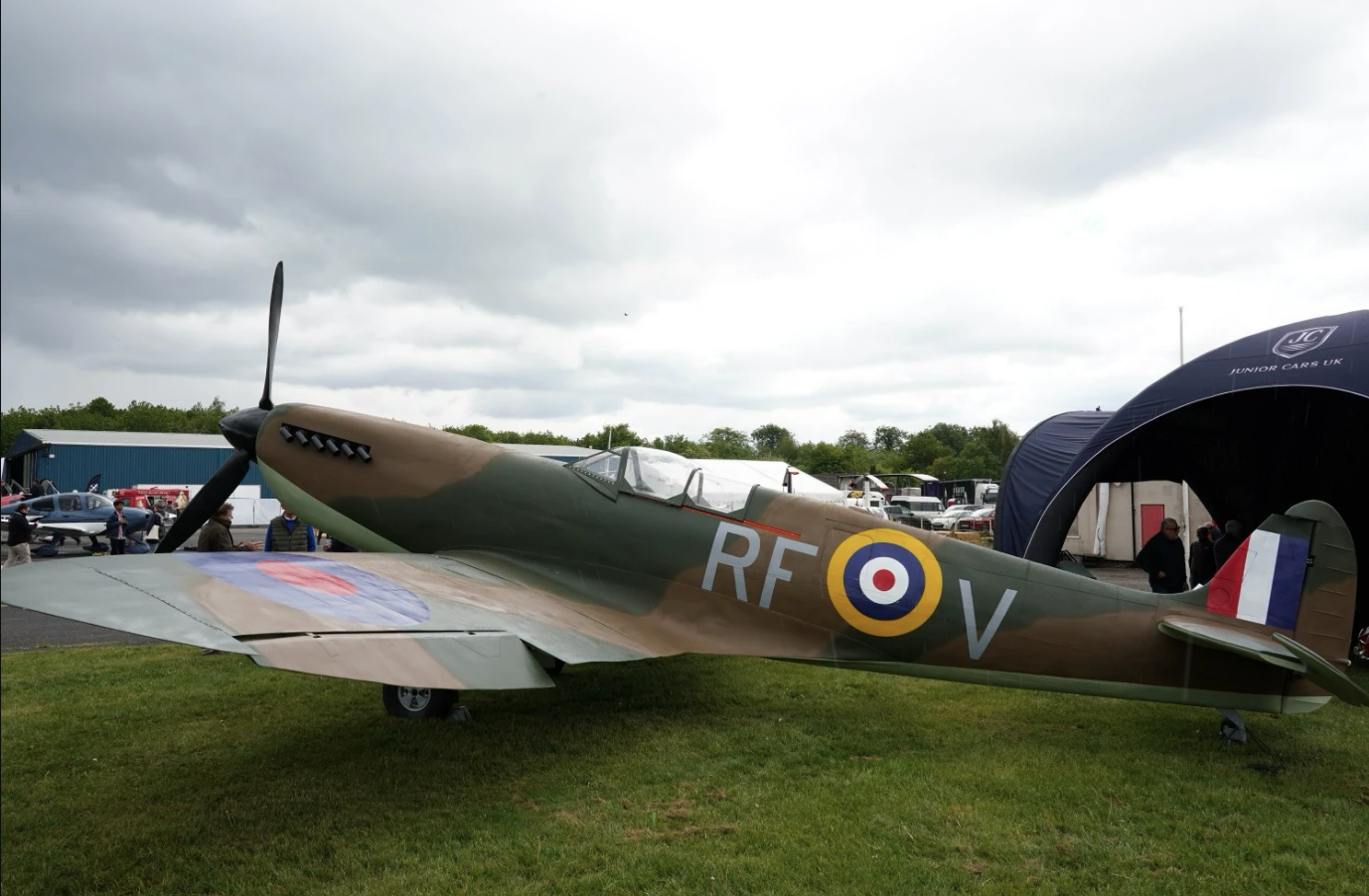
The Aerolite Spitfire Type 433 has made its public debut in Cornwall, combining modern composite technology with the design heritage of the iconic WWII fighter aircraft.
Modern reinterpretation of the iconic WWII fighter targets private aviation enthusiasts and syndicates
A modernised reinterpretation of the iconic Supermarine Spitfire has made its public debut in Cornwall, with developers aiming to bring a new generation of Spitfire-inspired aircraft to private aviation markets.
The Aerolite Spitfire Type 433 was unveiled in Bodmin by Great British Supermarine Ltd and combines the visual identity of the original World War II-era aircraft with modern materials, propulsion systems, and avionics technology.
The two-seat aircraft incorporates advanced composite construction and updated systems while retaining design elements associated with the historic Spitfire platform.
Modern engineering approach
According to the project developers, the aircraft draws inspiration from a lesser-known wartime concept involving Gordon Aerolite composite materials, originally proposed during the 1940s as a means of conserving aluminium supplies.
The modern project revives the concept using contemporary aerospace materials and engineering methods.
Jeremy Meeson, Chief Executive of Great British Supermarine Ltd, said advances in materials, propulsion systems, and digital engineering had created an opportunity to modernise the Spitfire concept without losing its characteristic flying qualities and visual identity.
The company stated that the aircraft has been designed to retain the “lightweight performance, balance, and pilot connection” associated with the original aircraft while incorporating modern avionics and composite structures.
Targeting private ownership and flying groups
The Aerolite Spitfire Type 433 is expected to be offered in kit-build form, allowing flying clubs, syndicates, and enthusiast groups to assemble and operate the aircraft.
Developers say the use of modern composites improves weather resistance and reduces maintenance requirements compared with original historic Spitfire aircraft, potentially reducing long-term operating costs and hangar dependency.
The aircraft is expected to carry a projected price tag of approximately £750,000 — substantially lower than the reported multi-million-pound values associated with operational original Spitfire aircraft.
The company believes this could make Spitfire-style ownership more accessible to private groups and enthusiast operators.
Public demonstration campaign
Great British Supermarine Ltd plans to showcase the aircraft at up to 10 airshows and aviation festivals across the United Kingdom during the coming months as part of efforts to attract investor support and public interest.
Project representatives stated that additional investment would be required before a flying prototype can be completed, with a projected development timeline of approximately two-and-a-half years.
Aviation historian David Spencer Evans described the project as a continuation of the Spitfire legacy and noted the enduring public interest in the aircraft’s historical significance and design.
The original Supermarine Spitfire first flew in 1936 and became one of the most recognisable aircraft of the Second World War.
SOURCE AND IMAGE: METRO