
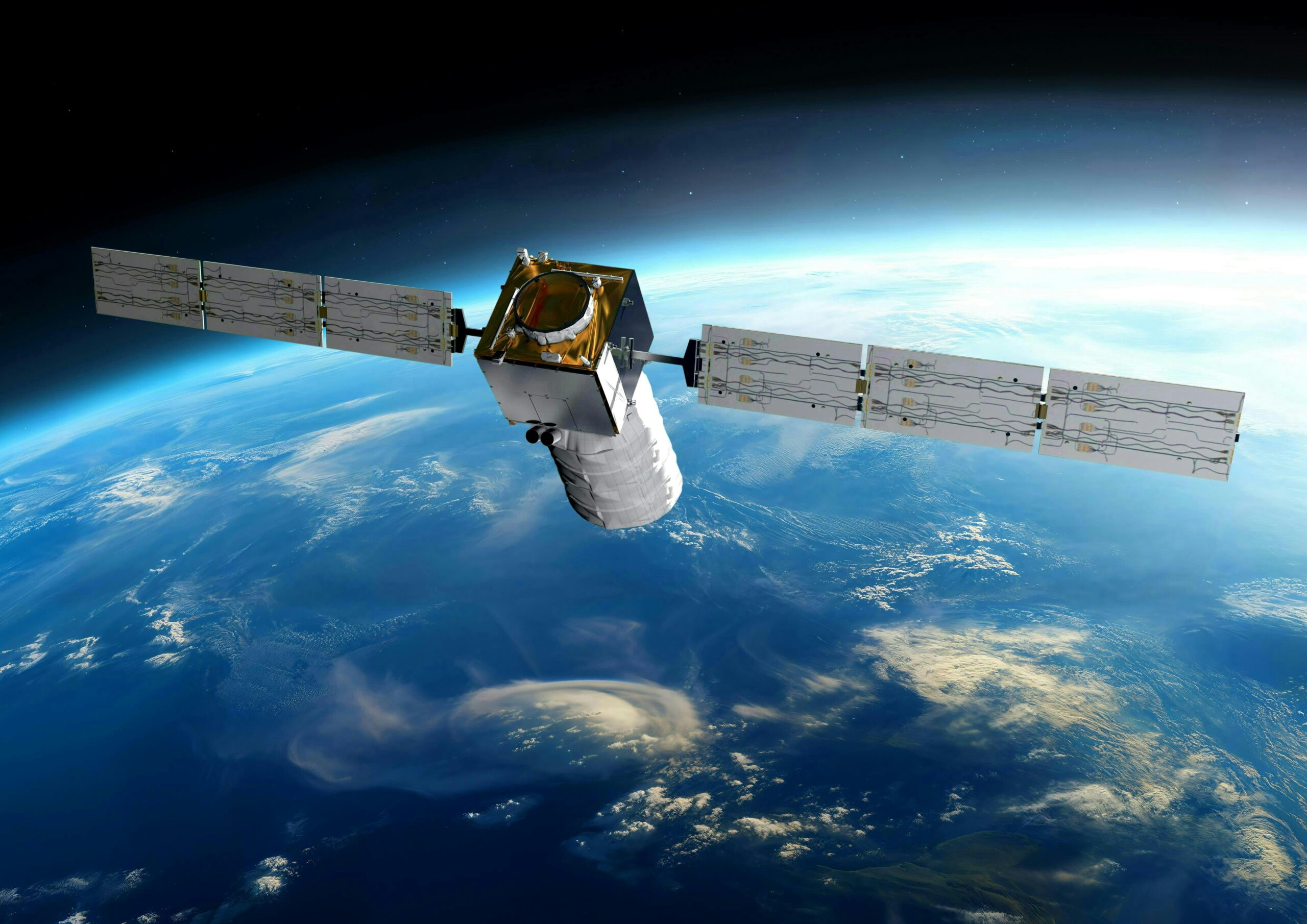
Airbus Defence and Space has signed the initial contract with the European Space Agency to design and build the Aeolus-2 wind sensing satellite, following the success of the original Aeolus mission, which improved global weather forecast accuracy by 4% from orbit.
AEOLUS-2 CONTRACT SIGNED AT ESA HARWELL HEADQUARTERS
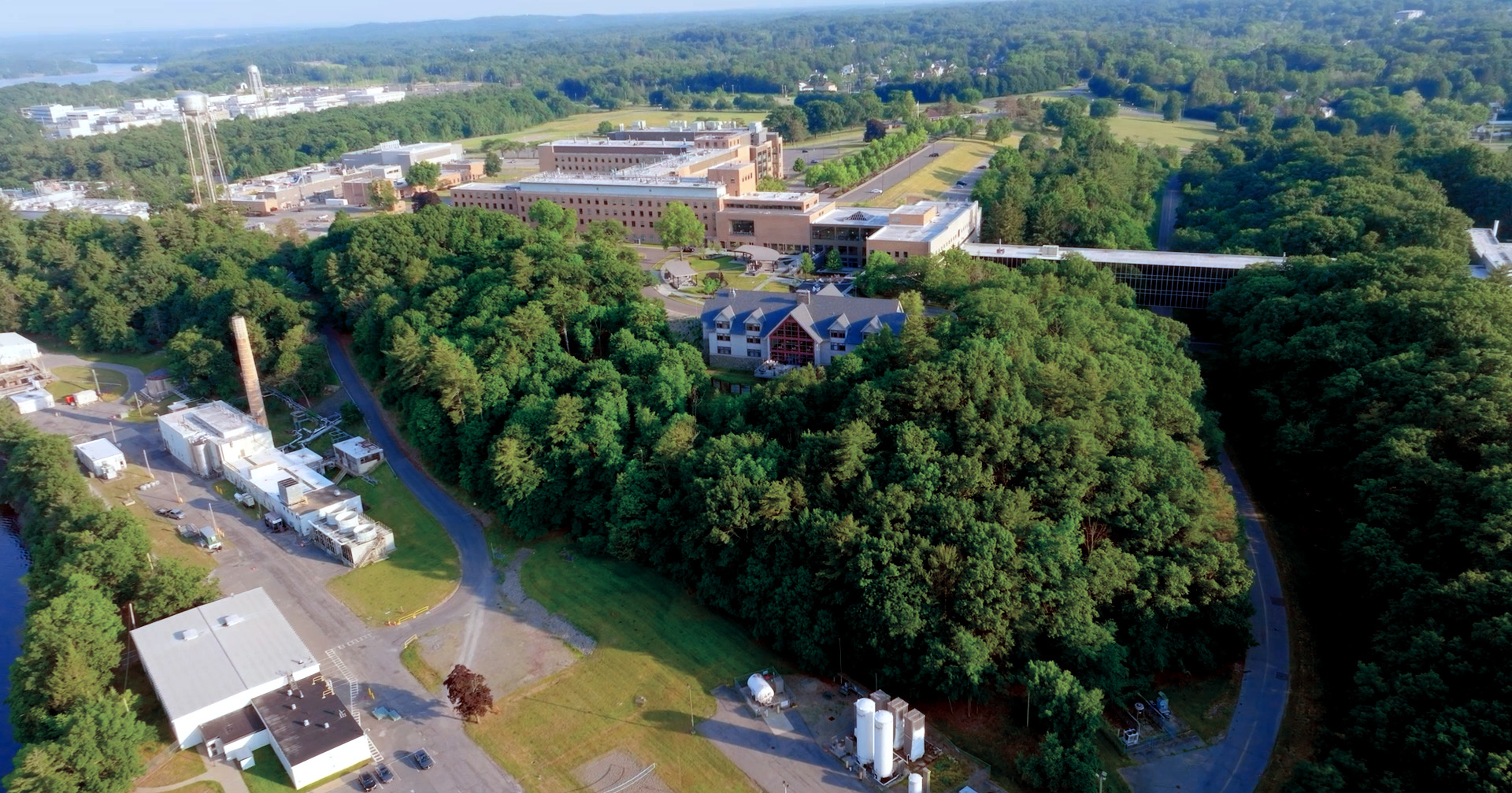
Airbus Defence and Space has signed the initial contract for the design and build of the Aeolus-2 wind sensing satellite with the European Space Agency (ESA) at a ceremony held at ESA’s UK headquarters, ECSAT, in Harwell. The contract marks the formal commencement of the follow-on mission to the original Aeolus satellite, which was built by Airbus and launched in 2018 before operating in orbit until 2023.
Simonetta Cheli, ESA’s Director of Earth Observation Programmes, said Aeolus had exceeded expectations and demonstrated the transformative impact that space-based wind observations could have on weather forecasting. She described Aeolus-2 as the natural evolution of that achievement — from pioneering research to an operational service — and said it would ensure Europe remained at the forefront of atmospheric observation and meteorological innovation.
MISSION SPECIFICATION AND TECHNICAL CAPABILITY
Aeolus-2 will be equipped with a Doppler wind lidar using ultraviolet lasers, scanning from the ground to an altitude of 30 kilometres and taking measurements every 0.01 seconds. The satellite will orbit Earth 15 times per day at an altitude of 450 kilometres with a planned operational lifetime of 5.5 years, and will deliver data to users within 120 minutes of the oldest measurement in each orbit, covering the entire globe every seven days. An additional detector for measuring atmospheric aerosols represents a new capability relative to the original mission.
The lidar system operates by emitting laser light that bounces off small particles — including dust, ice and water droplets — and collecting the light scattered back to determine wind speed and direction based on the Doppler shift of the particles. The first Aeolus mission provided the first-ever high-resolution vertical wind profiles from space, delivering a 4% improvement in numerical weather forecasting accuracy and reducing the mean error between predictions and observations by more than 4%. The mission also improved data availability at the poles and equator, enhanced knowledge of hurricane behaviour, and contributed to understanding how volcanic ash travels in the upper atmosphere.
UK INDUSTRY ROLE AND GOVERNMENT SUPPORT
Kata Escott, Managing Director of Airbus Defence and Space in the UK, said Aeolus-2 represented a major investment in British talent, allowing highly skilled UK teams to apply their expertise to enhance weather monitoring and lead globally in Earth observation and science. UK Space Minister Liz Lloyd said the UK had been at the forefront of satellite weather forecasting since the original Aeolus mission, and that Aeolus-2 would deliver real benefits for people across the UK, from more accurate weather forecasts that protect lives and communities to the high-skilled jobs arising from participation in Europe’s most ambitious space science programmes.
Aeolus-2 is being developed by ESA in partnership with EUMETSAT, the European Organisation for the Exploitation of Meteorological Satellites. Data from the mission will benefit major weather centres including the UK’s Met Office and the European Centre for Medium-Range Weather Forecasts, with the operational service designed to support both scientific and commercial users worldwide.
Source and Images: Airbus Defence and Space