
The Federal Aviation Administration has published its first proposed rule to establish a noise-based certification standard for supersonic aircraft, the regulatory mechanism required to repeal the 1973 ban on civil supersonic flight over the continental United States, with a second rule on noise thresholds to follow later in 2026 and both rules targeted for finalisation by mid-2027.
EXECUTIVE ORDER DRIVES REGULATORY PUSH TO END 1973 PROHIBITION
The Federal Aviation Administration has published the first of two proposed rules that together form the regulatory framework for the return of civil supersonic flight over the continental United States. The proposed rule establishes a noise-based operational certification standard — the mechanism by which the FAA would repeal the prohibition on overland supersonic flight that has been in force since 1973. US Transportation Secretary Sean P. Duffy announced the proposed rule on 30 June 2026, with the FAA targeting finalisation of both rules by mid-2027.
The regulatory initiative is driven by Executive Order 14304, signed by President Trump and titled ‘Leading the World in Supersonic Flight’, which directs the FAA to repeal the overland supersonic prohibition through the establishment of a noise-based certification standard and to secure aviation safety agreements with foreign aviation authorities to support the safe international operation of supersonic aircraft. The order frames the objective in terms of restoring United States leadership in high-speed aviation, with the White House describing the regulatory changes as clearing the runway for supersonic flight and strengthening the domestic aerospace industrial base.
WHAT THE TWO RULES WILL ESTABLISH
The regulatory framework consists of two complementary rules. The first proposed rule — now published — establishes the noise-based operational certification standard itself, requiring that supersonic aircraft demonstrate their sonic boom does not reach the ground at harmful levels. This is the threshold condition for any repeal of the 1973 prohibition. The second rule, to be proposed later in 2026, will define the specific numerical noise thresholds for take-off, landing and supersonic cruise flight, based on testing and research and taking into account community acceptability, economic reasonableness and technological feasibility. Together, the two rules are intended to give supersonic aircraft manufacturers the regulatory clarity needed to finalise designs and bring aircraft to market.
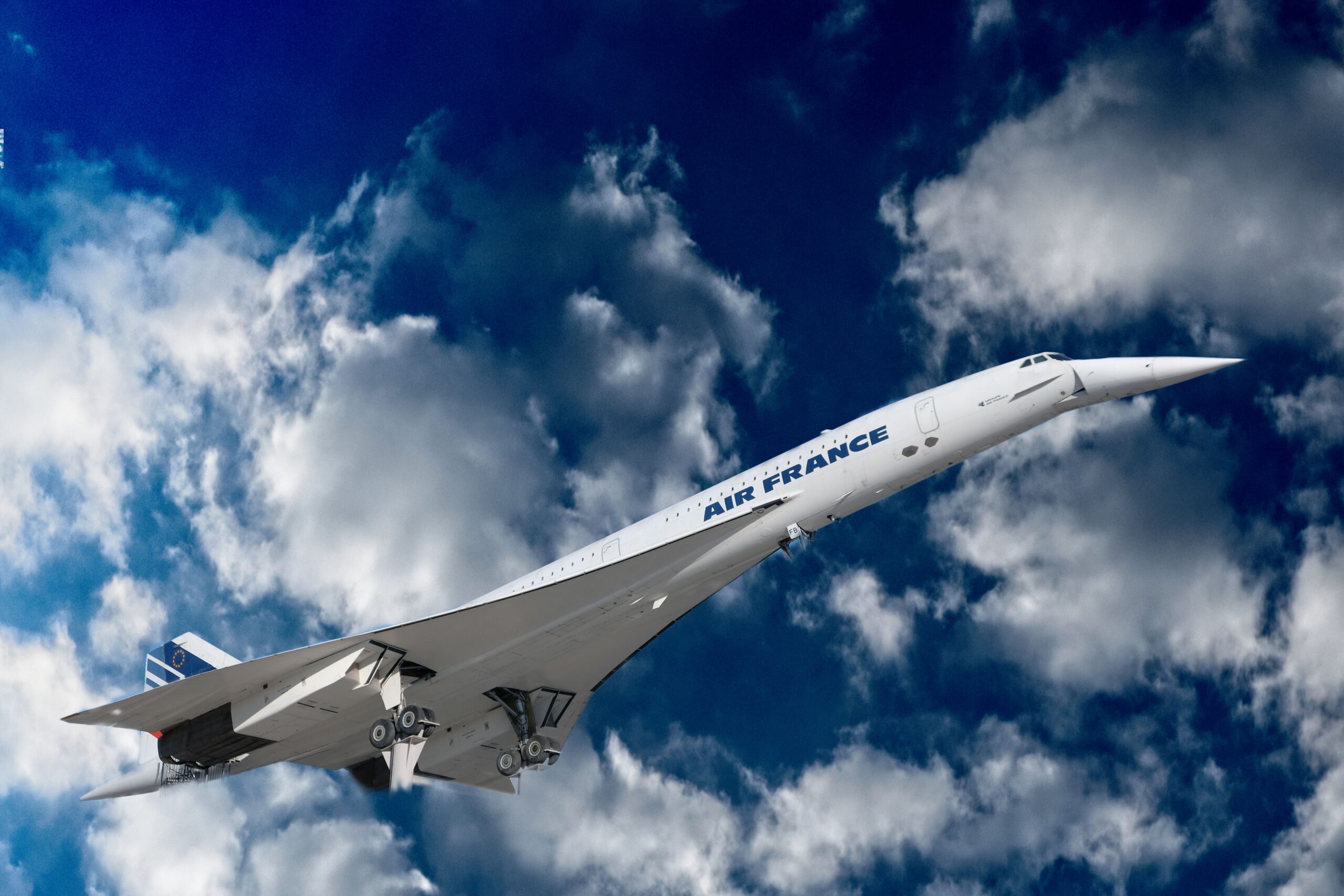
FAA Administrator Bryan Bedford said advances in aerospace engineering, materials science and noise reduction, as well as new operational concepts, would allow supersonic aircraft to eliminate the old sonic boom, making it possible to repeal the 1973 ban while minimising noise impacts on communities along flight routes and near airports. The key technological distinction driving the regulatory approach is the ability of modern supersonic designs to produce a sonic thump rather than the loud sonic boom characteristic of Concorde-era operations — a reduction in peak noise levels that changes the community impact calculus fundamentally.
RESEARCH PROGRAMME: NASA, ICAO AND ACADEMIC PARTNERS
Overcoming the environmental and community noise hurdles specific to civil supersonic transport has required a substantial research programme. The FAA-sponsored ASCENT Center of Excellence has conducted research across engine noise reduction, aircraft design, noise prediction tools and support for ICAO standards development, with the Georgia Tech Research Institute leading aeroacoustics work using computational models to optimise engine configurations and identify paths to regulatory compliance. Stanford, the University of Illinois and Penn State University are also conducting research aimed at noise reduction. NASA’s Quesst mission is conducting flight tests with its X-59 quiet supersonic research aircraft, which is designed to fly at supersonic speed while generating a low-level sonic thump rather than a boom; data from the Quesst programme is described as key to helping the FAA finalise the first rule.
At the international level, ICAO has already developed landing and take-off noise standards for supersonic aircraft, requiring new supersonic designs to meet the same noise limits as modern passenger jets during ground-proximity phases. The FAA is collaborating with ICAO to harmonise standards and with foreign civil aviation authorities to establish the bilateral safety agreements required to support international supersonic operations.
COMMERCIAL AND ECONOMIC CASE
Aircraft flying at supersonic speeds — Mach 1 and above, approximately 1,240 km/h — travel roughly 30–50% faster than current commercial aircraft, which generally cruise between 550 and 600 miles per hour. The FAA and the executive order frame this speed advantage in terms of both passenger benefit — maximising time on the ground at destinations — and broader economic resilience through improvements in business efficiency and the speed of commerce. Several US-based supersonic aircraft developers, including Boom Supersonic, have developed designs in anticipation of the regulatory framework these rules would establish. The FAA aims to finalise both rules by mid-2027, after which manufacturers will have a defined certification pathway for bringing supersonic aircraft to commercial operation.
Source: Federal Aviation Administration, Image: Pexels – Frans Herrmann