
The European Investment Bank loan supports an investment programme of up to €111 million, including measures to implement the airport’s carbon strategy STRzero.
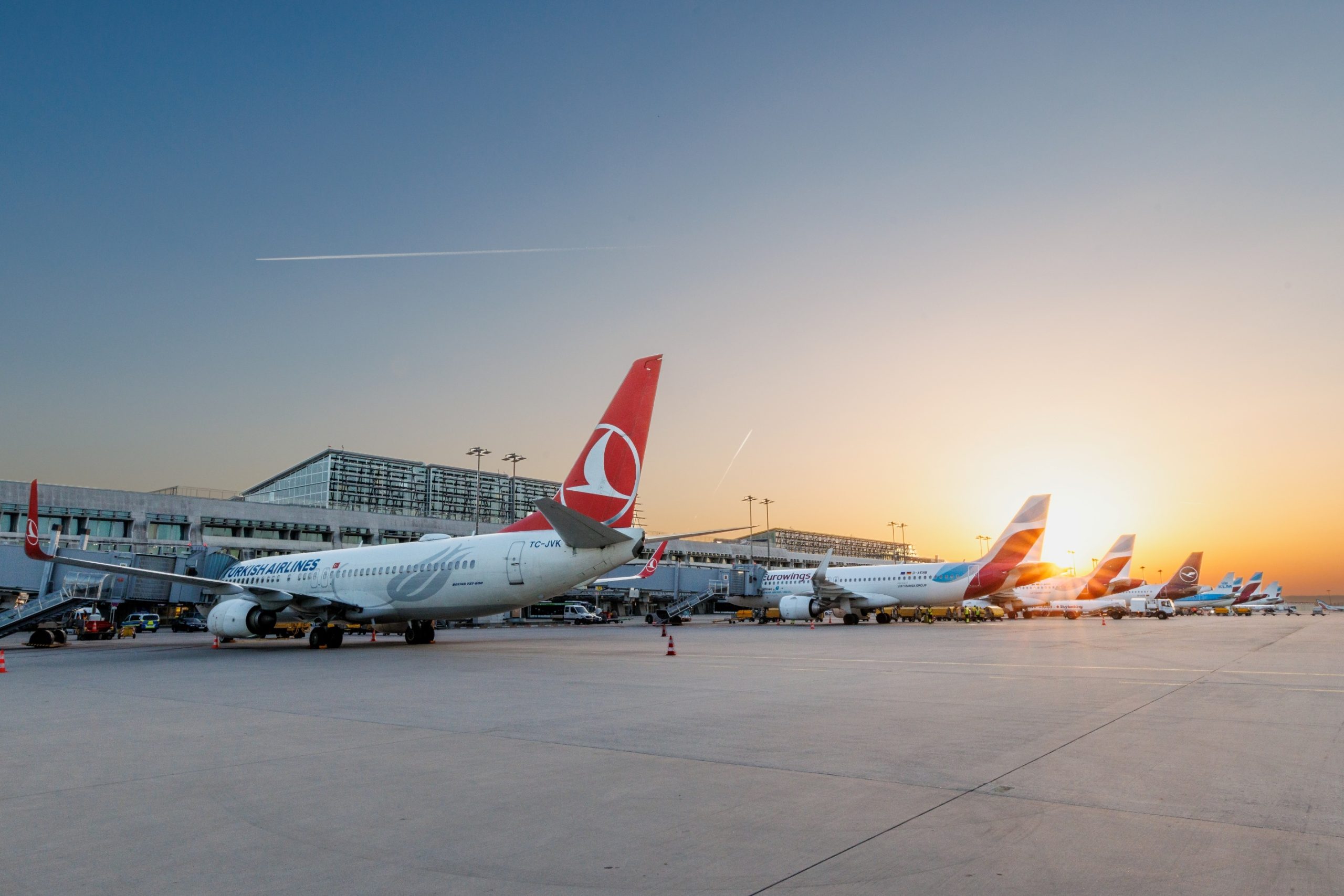
The European Investment Bank (EIB) is supporting Stuttgart Airport with a €44 million loan to help decarbonise and future-proof its infrastructure, the airport said on 30 October 2026. Planned investments at the airport totalling up to €111 million will upgrade existing aircraft handling infrastructure and enable measures required for STRzero, the airport’s carbon strategy.
The financing is part of the EIB’s support for the modernisation and decarbonisation of current airport infrastructure in Europe. The focus is on the electrification of ground handling operations, charging and energy infrastructure, improvements in energy efficiency and investments in operational resilience and safety of airports. The EIB’s support is directed towards emissions reduction and modernisation measures, not airport capacity expansion.
Stuttgart Airport is electrifying key parts of its ground handling operations and expanding the required charging and energy infrastructure. The projects financed at Stuttgart Airport include the procurement of around 100 electric commercial vehicles for ground handling and their charging infrastructure, as well as the construction of a new workshop building to maintain these vehicles. The airport will also use the EIB loan for a new fire station and pre-conditioned air (PCA) systems to heat and cool aircraft cabins while aircraft are parked.
Pre-conditioned air systems are expected to reduce the use of auxiliary power units during aircraft handling and save around 1,500 tonnes of CO2 annually. The new PCA systems will supply aircraft on the ground with pre-heated or pre-cooled air without the need to run their auxiliary power units. By completing this sub-project, the airport expects a reduction of CO2 emissions reported under Scope 3 of its greenhouse gas inventory by around 1,500 tonnes annually.
“Airports are important hubs for people and businesses. At the same time, their infrastructure and operations need to become more climate-compatible and resilient. The EIB loan will help Stuttgart Airport electrify its ground handling operations, reduce energy consumption during aircraft handling and introduce lower-emission technologies on site. It complements the EU funding support granted to the airport. Investments like these show how European financing can enable tangible improvements,” said Nicola Beer, Vice President of the European Investment Bank.
“The European Investment Bank loan sends an important signal for Stuttgart Airport and the region. It demonstrates confidence in our investment planning and recognises the airport’s importance for Baden-Württemberg’s connectivity. At the same time, it enables us to implement key elements of our STRzero carbon strategy. This will pay off in the long run, because it helps to future-proof our airport,” said Ulrich Heppe, CEO of Stuttgart Airport.
With its carbon strategy, Stuttgart Airport aims to reduce greenhouse gas emissions from airport operations (Scopes 1 and 2 under the Greenhouse Gas Protocol) to a minimum by 2040 at the latest, through on-site measures targeting facilities and processes. Its Energy and Climate Master Plan sets out the steps required to achieve net-zero greenhouse gas emissions from airport operations. The EIB’s long-term loan commitment will help advance key elements of this programme while also strengthening the airport’s competitiveness and resilience. The project also receives partial funding through the EU’s Alternative Fuels Infrastructure Facility programme (AFIF), which accelerates the deployment of infrastructure for alternatives to fossil fuels.
Note: The EIB has supported investment in airports across Europe for many years, from major hubs such as Frankfurt, Amsterdam and Dublin to regional airports such as Nantes and Venice.
Source and Images: Stuttgart Airport / European Investment Bank