
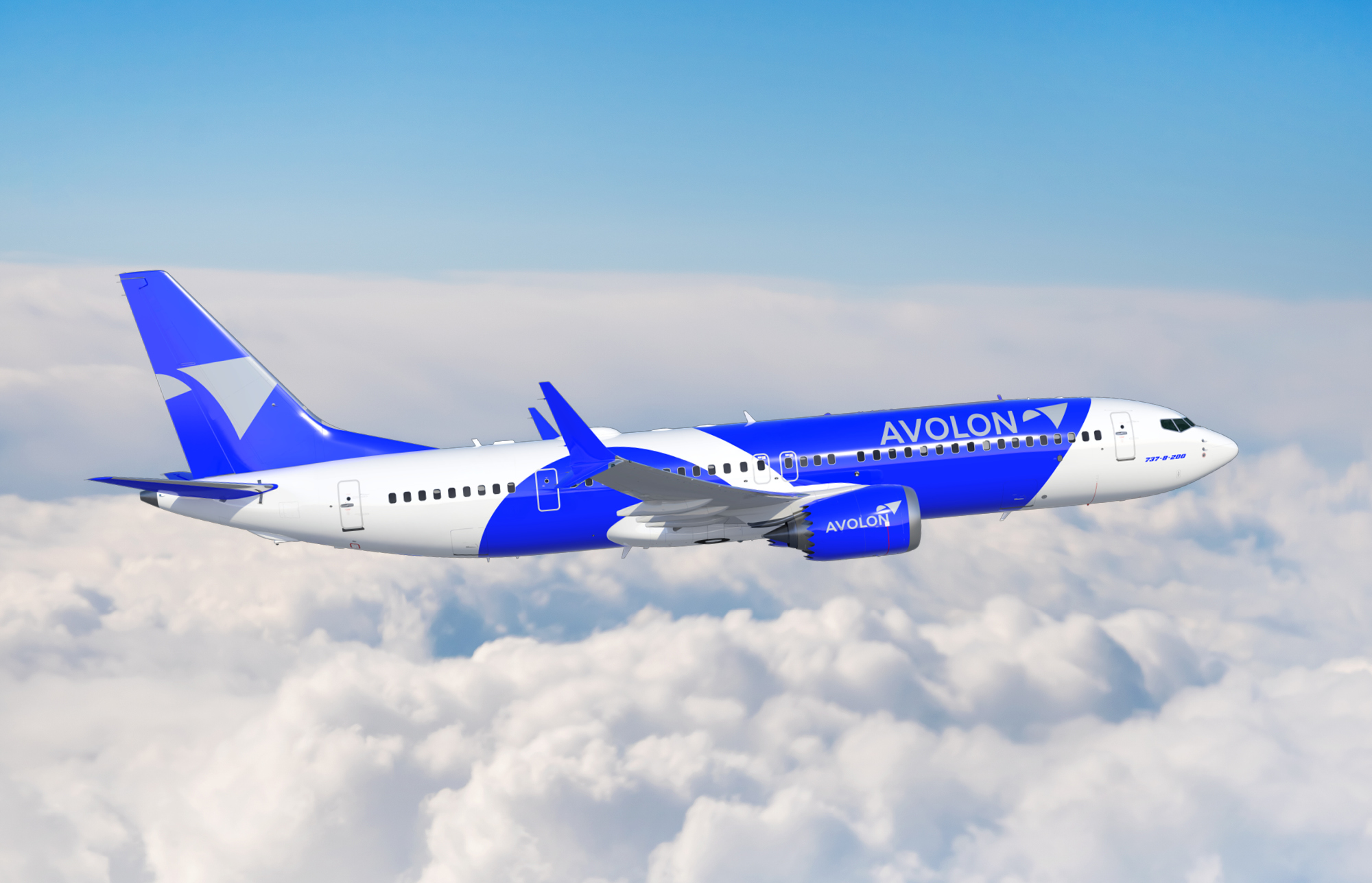
Avolon has agreed a sale and leaseback with Akasa Air covering up to seven Boeing 737-8200 aircraft, extending a relationship dating to the Indian carrier’s launch. The 737-8200 is the highest-capacity variant of the 737-8 MAX, a configuration suited to the high-density domestic operations driving Indian traffic growth.
THE THIRD TRANSACTION IN A RELATIONSHIP THAT BEGAN AT LAUNCH
Avolon Holdings Limited has agreed a sale and leaseback transaction with Akasa Air for up to seven Boeing 737-8200 aircraft. The transaction further expands a partnership between the lessor and the Indian carrier, with the aircraft supporting Akasa’s continued fleet growth and network development. Ramón Stortini, Managing Director for the Middle East, Africa and South Asia at Avolon, said the company was delighted to expand its partnership with Akasa through a relationship dating back to the very launch of the airline, and that India remained one of the most compelling growth markets in global aviation, supported by strong economic fundamentals and increasing demand for air travel.
Priya Mehra, Chief of Governance and Strategic Acquisitions at Akasa Air, said the airline was pleased to further strengthen its partnership with Avolon through a third transaction, and that the continued collaboration was a testament to shared long-term conviction in Akasa’s growth trajectory and the strength of the Indian aviation market.
WHY THE 8200, AND WHY SALE AND LEASEBACK
The variant chosen is the operationally interesting detail. The 737-8200 is the highest-capacity member of the 737-8 MAX family, seating over 200 passengers through an additional pair of exits, and was developed specifically for operators running high-density single-class configurations. Avolon describes it as combining improved operating economics with lower fuel consumption and emissions relative to previous-generation aircraft, and notes strong demand from airlines seeking efficiency alongside growth. For a low-cost carrier operating dense domestic sectors in a market where average fares are low and load factors high, seat count per departure is among the most direct levers on unit cost.
The financing structure is equally telling. In a sale and leaseback the airline takes delivery of aircraft it has ordered, sells them to the lessor and leases them back – converting a capital purchase into an operating lease and releasing the cash tied up in the airframe. For a fast-growing airline taking deliveries against a large order book, it is the mechanism by which fleet expansion is funded without proportionate equity or debt on the airline’s own balance sheet. That this is the third such transaction between the two parties indicates the arrangement is working for both.
Avolon works with 138 airlines in 60 countries and held an owned, managed and committed fleet of 1,117 aircraft as at 30 June 2026. The company reported second quarter net income of US$209 million, up 45 per cent year on year, with trailing twelve-month net income of US$702 million (already exceeding its full-year 2025 result) alongside a reduction in net debt to equity from 2.7 to 2.5 times and commitments for 503 aircraft.
Source and Images: Avolon Holdings Limited