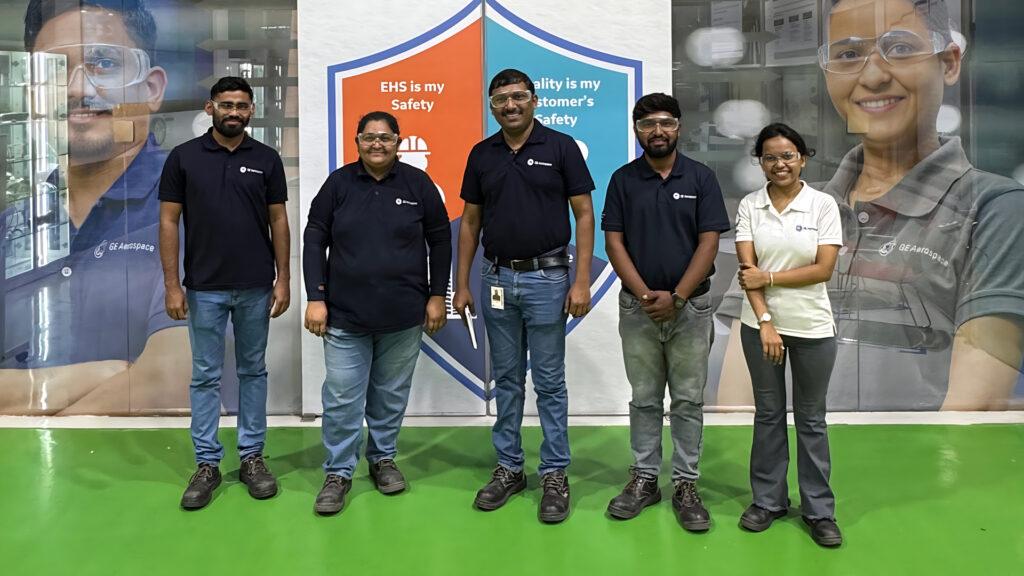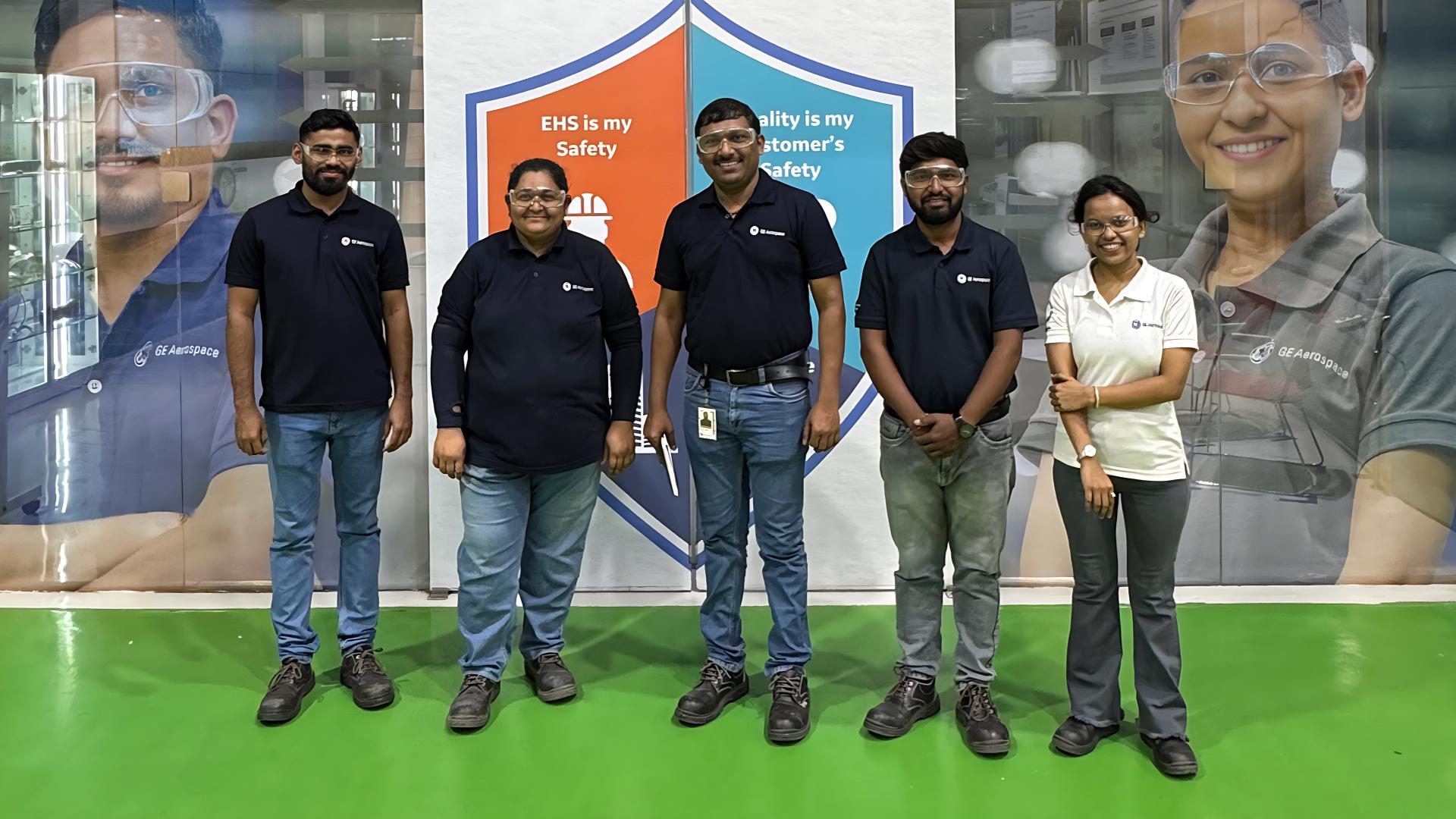
PUNE, India – 5 November 2025 – At GE Aerospace’s multimodal manufacturing facility on the outskirts of Pune, a quiet transformation has been underway since 2015 — one that is shaping India’s next generation of high-precision aerospace technicians.
SOURCE AND IMAGES: GE AEROSPACE
When Ruksar Mulani joined the Pune site as an apprentice a decade ago, she was a newly certified mechanical engineer with big ambitions. Today, she is a senior associate, a mother, and one of thousands of skilled professionals developed through GE Aerospace’s structured training programme. “For me, everything is here,” she says proudly. “I have gotten three promotions in 11 years. What more can I ask for?”
Mulani is among approximately 5,000 production associates who have graduated from GE Aerospace’s rigorous apprenticeship initiative. The programme, launched alongside the facility in 2015, has become a model of industry-led workforce development, recognised for fostering technical excellence and a deep-rooted culture of safety and quality.
According to Samir Murgude, Human Resources Director at the Pune facility, GE Aerospace recruits 400 to 500 apprentices each year, many from rural areas. “They are in their twenties when they come in, often from towns far from Pune,” he says. “We look for apprentices with talent, drive, and a desire to continually learn. From there, we show them the ropes.”
Training, Turbocharged
When GE Aerospace established the Pune site, finding local talent capable of meeting aerospace-grade precision standards was a challenge. The company responded by designing a comprehensive training pipeline — combining classroom instruction with hands-on shop-floor experience.
“We emphasize technology training and safety and quality equally,” says Abhijit Khandekar, Director of Operations. “If safety cannot be ensured on the shop floor, quality cannot be achieved — and both are essential to meeting our customers’ expectations.”
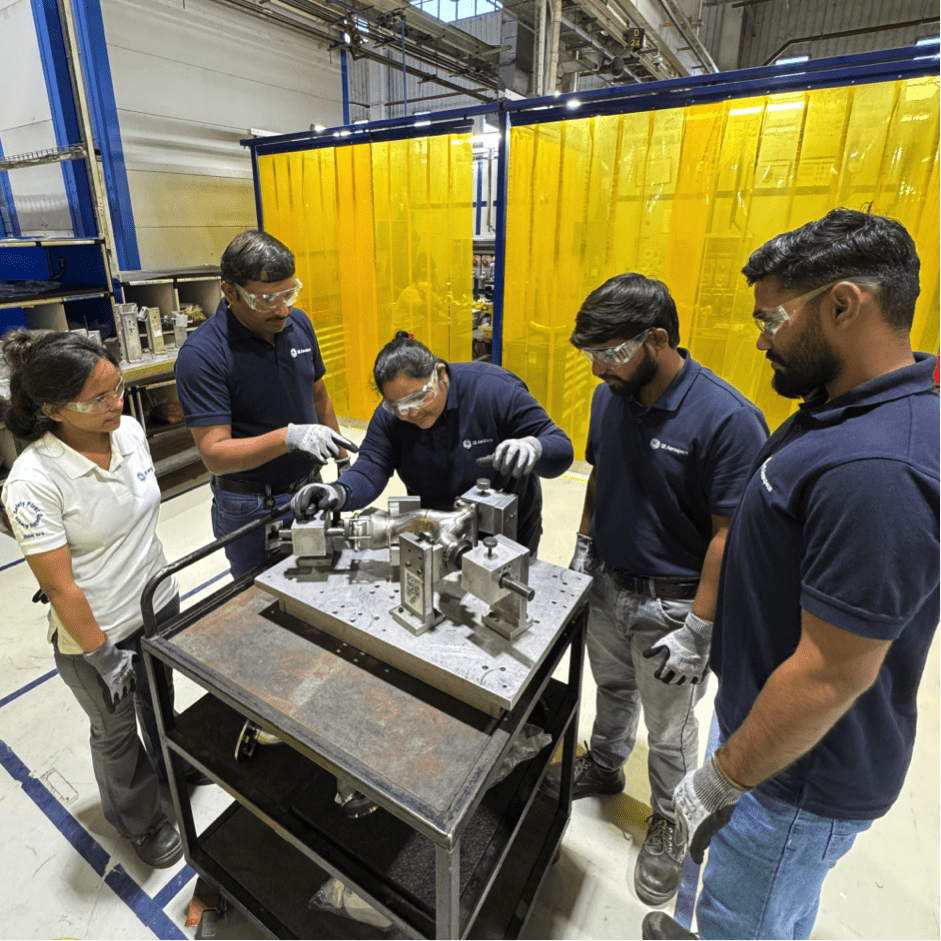
The campus includes a dedicated training building and a state-of-the-art “Weld School.” Apprentices are taught using smart-screen classrooms and guided by mentors, known as “buddies,” who help them transition from basic engineering principles to advanced shop-floor operations.
Simulating Precision, Building Confidence
Adjacent to the classrooms, a high-tech welding simulator allows trainees to master tungsten inert gas (TIG) metal joining before working on actual components. The simulator provides a cost-effective way to perfect precision skills while conserving expensive materials.
After four months of classroom learning, apprentices progress to hands-on metal joining. By the second year, they advance through multiple skill ratings and leadership modules. Exceptional candidates are encouraged to pursue engineering degrees through GE Aerospace’s Emerging Leadership Program (ELP), which provides financial support and study leave.
One such graduate, Aniket Godse, joined as an apprentice in 2017 and became Assistant Manager of Quality in 2023. “I worked night shifts so I could attend college practicals during the day and classes on weekends,” he recalls. “It was challenging but rewarding.”
Expanding the Talent Pipeline
Looking ahead, GE Aerospace plans to expand its outreach by introducing metal joining simulators to college campuses. “We hope to bring on people who already have experience with it to speed up onboarding,” says Manufacturing General Manager, Loni Mahantappa.
As India strengthens its position in global aerospace manufacturing, initiatives like GE Aerospace’s Pune programme are helping to bridge the skills gap, ensuring a pipeline of talent capable of meeting the precision demands of the aviation industry.