
The tool now running in Washington, D.C. airspace consolidates around 200 data streams into a single predictive system, with United, Delta, American and Southwest among the carriers voicing support.
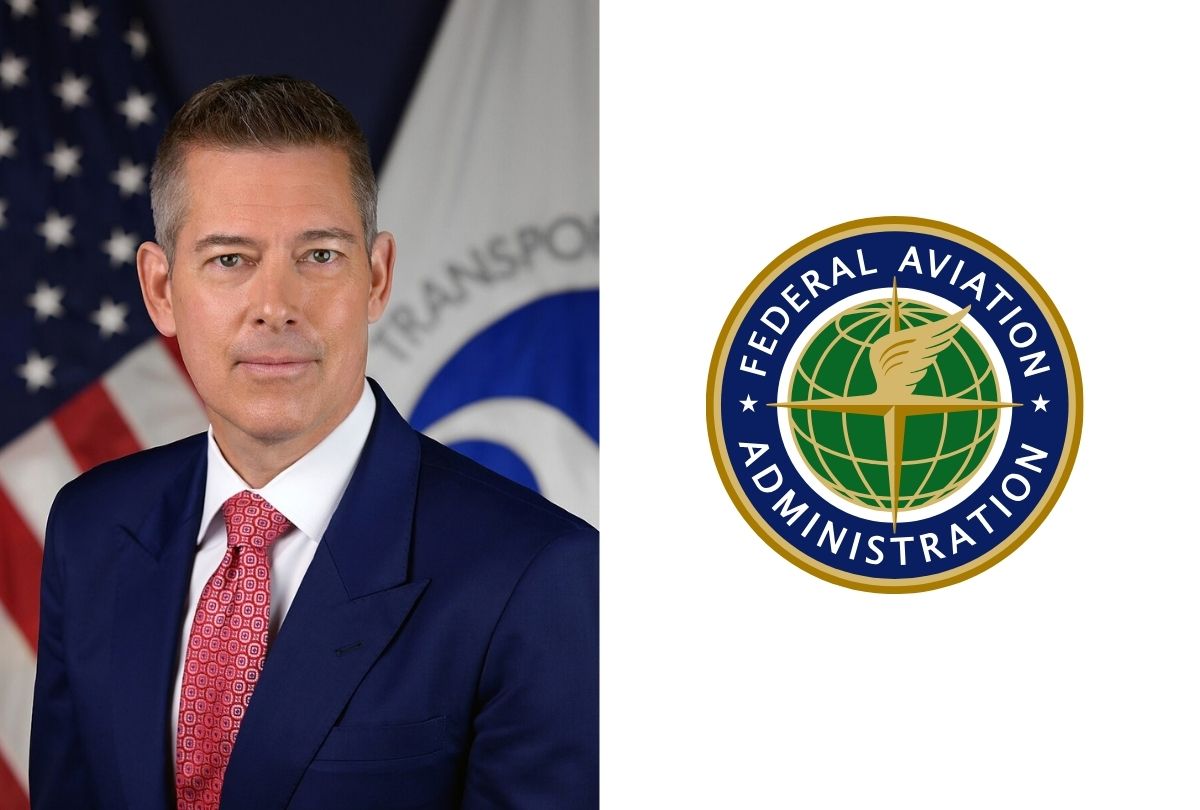
US Transportation Secretary Sean Duffy and FAA Administrator Bryan Bedford on 21 September unveiled the Strategic Management of Airspace, Routes and Trajectories (SMART) platform, a tool that consolidates around 200 data streams, including weather patterns, flight paths, traffic flow and controller staffing metrics, into one system. The FAA says SMART’s AI-supported engine synthesises this data, along with airline schedules, airport capacity and airspace conditions, to build a live picture of where aircraft are travelling, how much traffic the system can absorb, and where congestion or weather could cause disruption. Aviation specialists can use the platform to anticipate future conditions and act before problems arise; every SMART recommendation is reviewed by FAA staff, and local air traffic control leadership remains free to accept or decline its scheduling suggestions.
Each day, thousands of scheduled flights carry built-in delays because demand for airspace can exceed an airport’s capacity, and weather can reduce that capacity further, forcing the FAA to reroute flights or close portions of the airspace; the result, the agency says, is a system that too often reacts to disruption only after it happens. SMART is intended to shift that balance from reactive to predictive, helping the FAA plan hours, days and even weeks ahead. The FAA began running SMART in a limited mode on 21 September in the airspace around Washington, D.C., with a full national rollout expected this autumn. “Thanks to President Trump’s leadership, we are already making remarkable progress on building a brand new air traffic control system. But to really improve the flying experience for the American people, we needed to build a 21st century scheduling tool like SMART,” said Duffy. “By fundamentally reshaping how we manage our airspace and preventing problems before they happen, SMART will slash those frustrating delays, reduce stress on air traffic controllers, and lower travel prices. The Trump Administration is committed to making flying hassle-free and affordable again.” Bedford said: “Thanks to the leadership of President Trump and Secretary Duffy, we are moving at record speed to build the modern air traffic control system America needs. Combining SMART with our ongoing hardware upgrades gives us the tools to cut flight delays, optimize traffic, and keep airspace capacity across the country open, all while maintaining our gold standard of safety.” The FAA has stressed that SMART supports rather than replaces air traffic controllers, who retain full authority over aircraft separation.
INDUSTRY RESPONSE
United Airlines chief executive Scott Kirby gave one of the more pointed endorsements. “If it works as we think it can, it will do more to reduce delays and cancellations than anything that’s happened in decades,” said Kirby. Delta, American and Southwest, along with the trade body Airlines for America, also welcomed the initiative; Delta chief executive Ed Bastian said the airline was “actively engaged in the development process,” American Airlines chief executive Robert Isom said the approach, “when done thoughtfully and methodically,” would benefit the travelling public, and both Southwest Airlines chief executive Bob Jordan and Airlines for America president Chris Sununu described themselves as encouraged by the early results.
The announcement builds on the administration’s wider air traffic control modernisation programme, which the Department of Transportation says is funded in part through the Working Families Tax Cut; the FAA says it is deploying 12.5 billion dollars to upgrade telecommunications lines, install new radios and radars, and move to electronic flight strips, with the full programme due for completion by the end of 2028. The agency also says it has recruited 4,000 controllers into its hiring pipeline in the first 18 months of the current administration and now has approximately 11,000 controllers working in its towers, its highest staffing level in a decade.
Source and Images: US Department of Transportation / FAA