
Announced at NBAA-BACE 2026, the roadmap promises major speed upgrades for HDX and FDX customers while preserving existing installations and Supplemental Type Certificates.
Gogo outlined its long-term roadmap for Gogo Galileo at NBAA-BACE 2026 in Las Vegas, Nevada, on 19 October 2026, setting out significant improvements intended to extend the value of customers’ investments through the mid-2030s and beyond. The roadmap positions Galileo as an enduring connectivity platform for business aviation and military and government aircraft, built on a chassis architecture designed to support successive generations of technology; customers installing either the HDX or FDX antenna today are offered a defined, predictable path to higher performance as onboard technology and satellite networks advance, with broader service availability expected as more countries authorise low Earth orbit operations.
“Installing connectivity is a long-term investment in an aircraft’s capability, productivity and appeal,” said Chris Moore, CEO of Gogo. “Connectivity technology is evolving more rapidly now than ever before and our customers deserve to know their investment will serve them years from now. With Galileo, they are buying into a platform with a clear development plan, designed to deliver increasing value over the next decade, helping keep their multimillion-dollar aircraft productive and competitive as connectivity expectations evolve.”
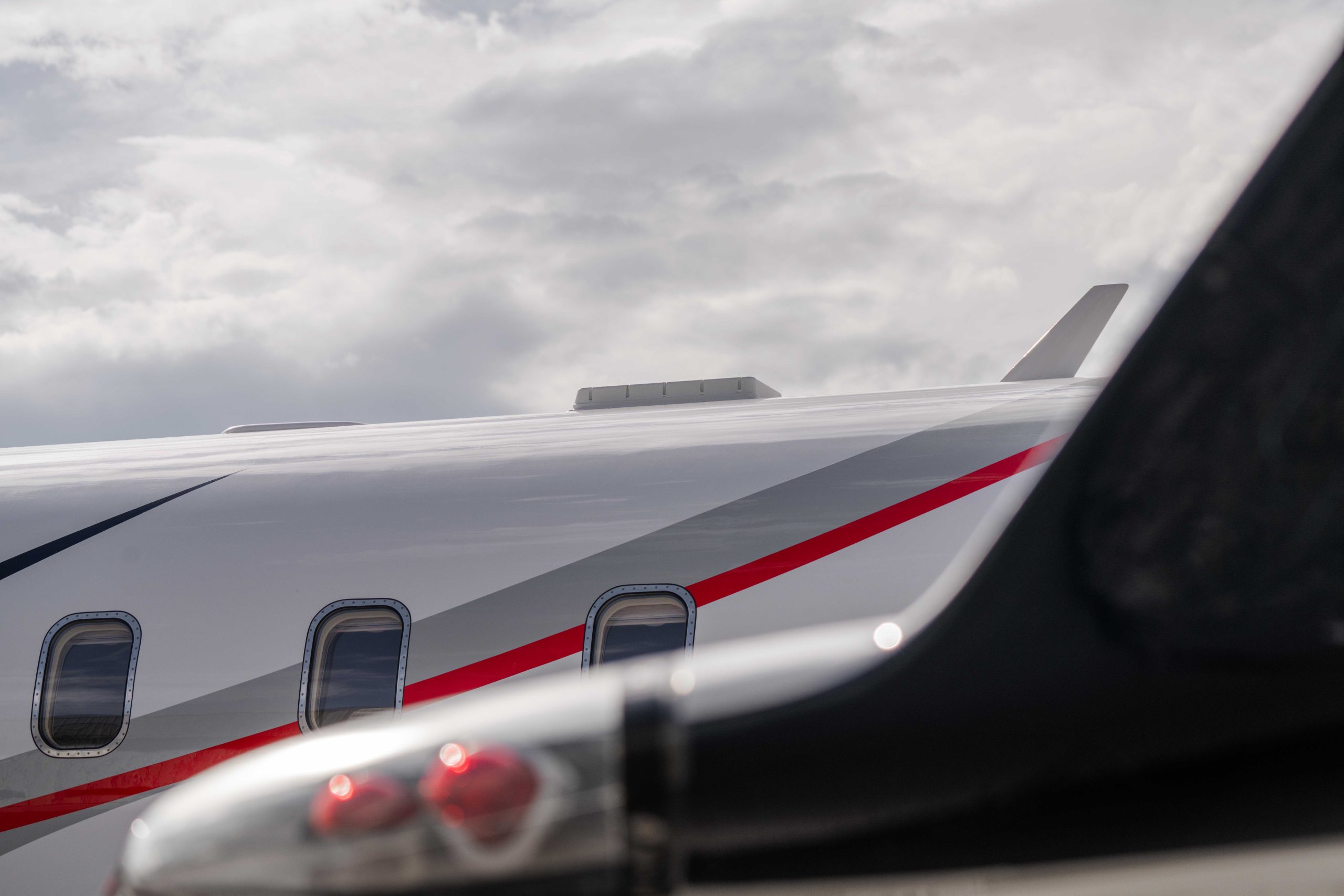
Central to the strategy is protecting customers’ existing investments: Gogo is designing the HDX and FDX upgrade path to preserve as much of the existing installation infrastructure as possible, including the antenna mounts, fairing and wiring, building on existing Supplemental Type Certificates. The company said the objective is to offer customers minimal installation work, aircraft downtime and cost in order to access new capabilities, with substantial performance upgrades planned roughly every 24 months over six years.
According to figures published in the roadmap, HDX download speeds are projected to rise from 60 today to 100 by 2028, 200 by 2030 and 300 by 2032, with upload speeds rising from 10 to 100 over the same period; FDX speeds, starting higher at 195 download and 32 upload, are projected to hold steady until 2028 before rising to 600 download and 90 upload by 2030, and 1,500 download and 350 upload by 2032.
Note: Gogo’s roadmap document does not specify the unit of measurement for these speed figures.
“Our commitment extends well beyond the day the system is installed,” Moore added. “We are planning the technology, the upgrade path and the support around the full life of our customers’ investment. They can put Galileo to work today with confidence that we will continue to lead the evolution of inflight connectivity as we have for nearly 30 years.”
Source and Image: Gogo Aviation