
The International Air Transport Association (IATA) has released its latest global traffic figures indicating that air passenger numbers in January 2026 have surpassed pre-pandemic levels on a capacity-adjusted basis.
According to the report, global passenger traffic measured in revenue passenger kilometres (RPKs) exceeded January 2019 levels, marking a further milestone in the sector’s recovery.
TRAFFIC AND CAPACITY TRENDS
RPKs and ASKs increase
Global RPKs rose beyond pre-COVID benchmarks for the comparable period, reflecting sustained demand across multiple regions.
Seat capacity, measured in available seat kilometres (ASKs), also increased as airlines deployed larger fleets and expanded schedules in response to improving market conditions.
Load factors approached 80 per cent in most regions, indicating that capacity additions were broadly aligned with demand.
ASIA-PACIFIC DRIVES INTERNATIONAL GROWTH
Resumption of China outbound travel
The recovery in international RPKs was particularly pronounced in the Asia-Pacific region. IATA attributes this trend in part to the continued resumption of China outbound travel, contributing to stronger cross-border demand.
Other regions also reported steady improvements, supporting a broader expansion in global passenger volumes.
MARKET CONDITIONS AND COST PRESSURES
Balancing growth and profitability
IATA cited sustained leisure travel demand and a gradual improvement in business travel as key drivers behind the recovery.
At the same time, the association cautioned that geopolitical developments and economic uncertainty may influence capacity deployment decisions during the remainder of the year.
Airlines are reported to be focusing on network optimisation and cost control strategies to manage rising fuel and labour expenses while maintaining profitability targets.
The latest figures suggest a continued stabilisation of global aviation markets, with commercial passenger traffic expanding across major regions as travel patterns normalise.
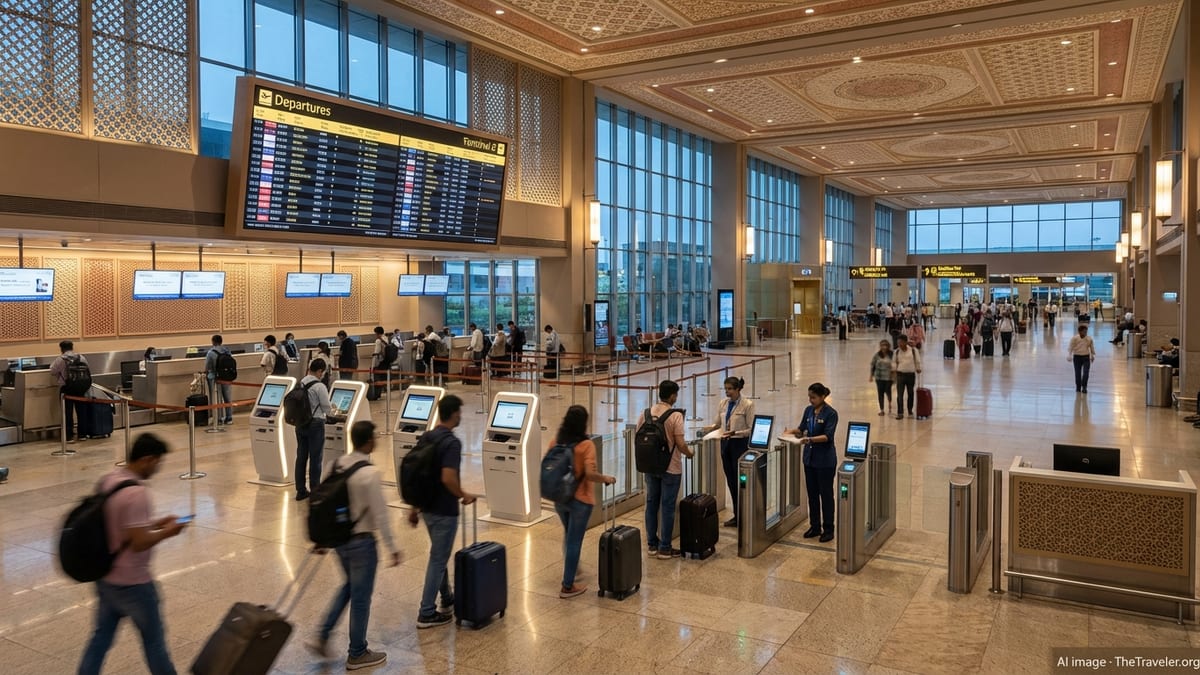
SOURCE: IATA. IMAGE: MUMBAI AIRPORT