
Lockheed Martin is sponsoring the GoAERO prize competition for autonomy-enabled emergency-response aircraft, a commitment the company frames against the flight record of its Sikorsky MATRIX autonomy system and its EMBERPOINT wildfire response venture.
SPONSORSHIP BACKED BY A GROWING AUTONOMY TRACK RECORD
Lockheed Martin is sponsoring the GoAERO prize competition, funding its planning, logistics and prize money. GoAERO challenges teams to build autonomy-enabled aircraft capable of emergency-response missions, judged on autonomy, productivity, resilience and manoeuvrability in scenarios that bring first responders and supplies to people in crisis.
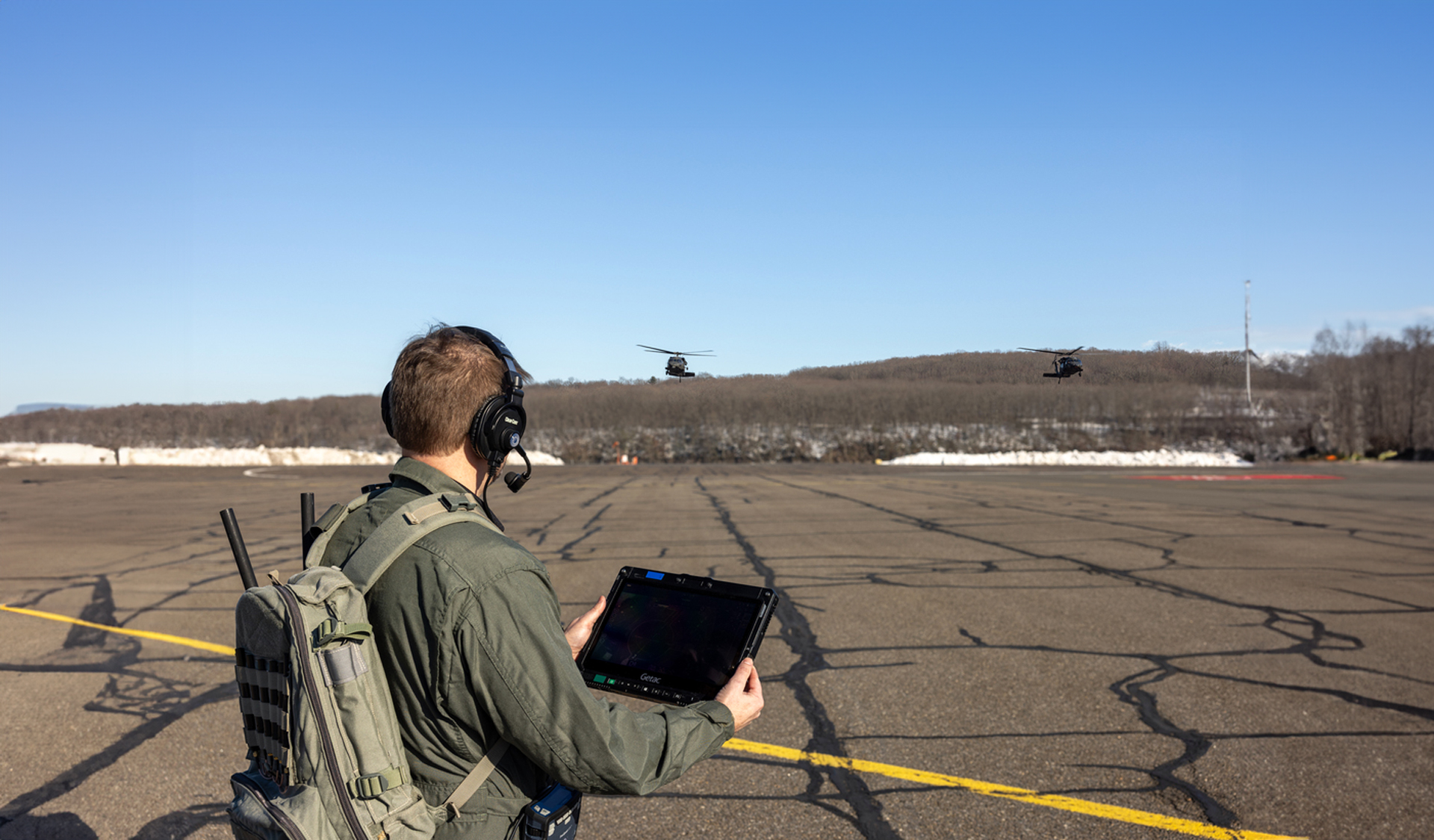
The sponsorship follows continued work by Lockheed Martin subsidiary Sikorsky to build a flight record for its MATRIX autonomy system, which is fitted to aircraft including the Sikorsky S-70UAS U-Hawk uncrewed helicopter and the crewed UH-60 Black Hawk. MATRIX uses AI-enabled sensor fusion and automated flight planning to fly a fly-by-wire aircraft to its destination with reduced pilot workload, intended for missions such as firefighting, search and rescue, and disaster relief that would otherwise put crews at greater risk. According to Lockheed Martin, MATRIX has logged more than 1,000 flight hours and 500 test and demonstration flights, trained more than 100 operators across the Department of War and firefighting communities, and been integrated onto more than 20 aircraft types.
EMBERPOINT: A JOINT VENTURE, NOT A SOLO EFFORT
Lockheed Martin also points to EMBERPOINT, a wildfire detection, prediction and response coordination platform, as a civilian application of the same autonomy approach. EMBERPOINT was launched in January 2026 as a joint venture between Lockheed Martin, PG&E Corporation, Salesforce and Wells Fargo, each contributing a different capability: Lockheed Martin’s sensing and autonomous response technology, PG&E’s wildfire mitigation experience, Salesforce’s Agentforce and Slack-based coordination tools, and Wells Fargo’s capital funding. The platform is intended to link satellite, camera and ground-sensor data into a single operating picture for wildfire response, with demonstrations targeted for later in 2026.
Source and Images: Lockheed Martin