
Denmark’s first and only all-cargo airline, Maersk Air Cargo, has joined BARIG — the Board of Airline Representatives in Germany — as the association broadens its engagement with the air freight sector, citing excessive location costs, complex processes and unnecessary bureaucracy as persistent barriers to German air cargo competitiveness.
DENMARK’S FIRST ALL-CARGO AIRLINE JOINS GERMANY’S PRINCIPAL AIRLINE REPRESENTATIVE BODY
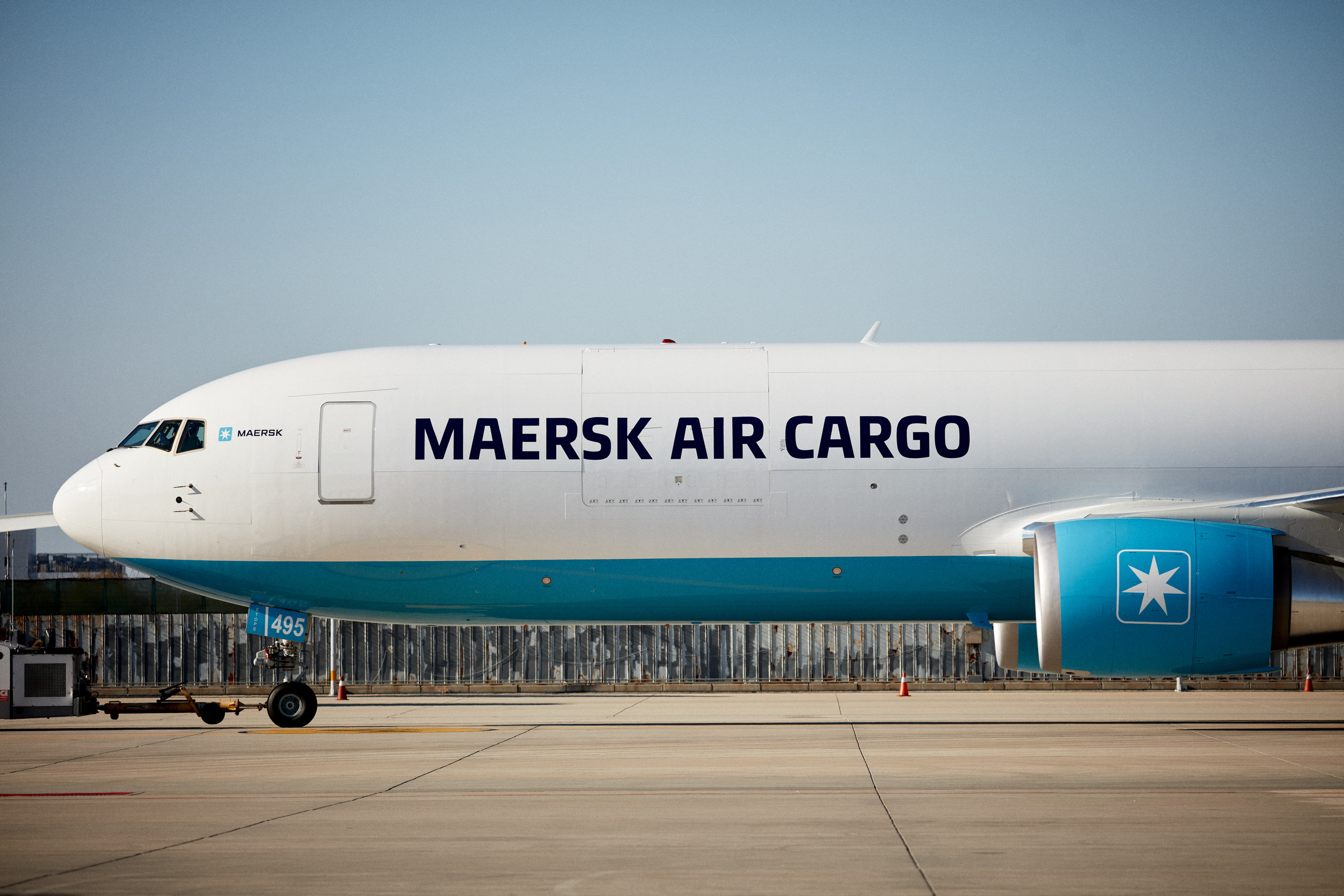
Maersk Air Cargo has been welcomed as a new member of BARIG, the Board of Airline Representatives in Germany, reflecting both the carrier’s growing commitment to the German market and the association’s stated priority of expanding its engagement with the air freight community. Maersk Air Cargo operates Cologne/Bonn Airport as its primary hub in Germany, with its main hub at Billund Airport in southern Denmark, and is part of A.P. Moller-Maersk, one of the world’s largest integrated logistics companies.
Michael Hoppe, BARIG Chairman and Executive Director, said the already significant role of air freight in global trade had grown even further in recent months, and that for many industrial companies in Germany, air cargo was a vital component of supply chains. He said air freight in Germany was currently confronted not only with excessively high location costs but also with unnecessarily complex processes and a high degree of bureaucracy, and that BARIG was committed to improving the framework conditions and was delighted that Maersk Air Cargo was supporting that work as a new member.
ORIGINS: FROM STAR AIR TO AN INTEGRATED MAERSK LOGISTICS ASSET
The history of aviation within the Maersk Group stretches back to the late 1960s when Maersk Air commenced flights in Denmark, later extending its operations to include international scheduled, charter and cargo services. As documented on the A.P. Moller-Maersk Group’s own corporate history, the passenger airline activities were divested in 2005, but the cargo business — operating under the name Star Air — remained part of the group and continued flying as its dedicated air freight operation. Star Air was subsequently rebranded as Maersk Air Cargo as part of the group’s broader strategic transformation from a shipping conglomerate into an integrated end-to-end logistics company, bringing the carrier’s identity into direct alignment with the Maersk brand and its logistics ambitions.
Today Maersk Air Cargo operates a fleet of 19 freighters, serving numerous destinations within Europe, Asia and North America. The airline is Denmark’s first all-cargo carrier and brings a heritage of cargo-focused aviation operations to the BARIG membership. Its operational philosophy — centred on stability, predictability and seamlessly integrated logistics solutions — is directly aligned with the wider Maersk Group’s ambition to control and integrate more of its customers’ supply chains from origin to destination.
GERMANY AS A STRATEGIC CARGO MARKET
Lars Jordahn, CEO of Maersk Air Cargo, said BARIG provided a great platform for professional exchange within the community, enabling Maersk Air Cargo to contribute to the further development of the air freight industry, positively shape its framework conditions and strengthen its position to meet future challenges. For Maersk Air Cargo, the Cologne/Bonn hub is a strategically important gateway to Germany’s industrial heartland, providing connectivity for the express and priority cargo flows on which the broader Maersk logistics network depends to fulfil integrated supply chain commitments for European customers.