
Africa’s aviation sector faces mounting pressure as Middle East oil shocks increase fuel costs and expose supply and infrastructure constraints.
SECTOR UNDER STRAIN
South Africa’s aviation sector is facing renewed operational pressure as rising oil prices linked to conflict in the Middle East drive up jet fuel costs and impact airline economics. Several carriers have introduced fuel surcharges in response, reflecting the immediate cost burden on operations.
The situation is unfolding alongside continued global aerospace supply chain constraints, which are limiting aircraft and engine availability. As a result, airlines worldwide are experiencing delays in fleet renewal, contributing to rising average fleet age and reduced efficiency gains.
LIMITED GLOBAL PRESENCE
According to Aaron Munetsi, Africa remains underrepresented in global aviation despite its population size.
Data from the International Civil Aviation Organization (ICAO) shows that in 2024 the continent accounted for approximately 2.6% of global available seat kilometres (ASK) and 3.2% of revenue passenger kilometres (RPK), underscoring its relatively small share of global air transport activity.
Munetsi noted that this limited presence reduces the continent’s influence in global supply chains and access to modern, fuel-efficient aircraft.
PRIVATE AND STATE-BACKED CARRIERS
Munetsi said privately owned airlines in South Africa have generally demonstrated greater agility in responding to market conditions, including securing newer aircraft and adjusting operations.
By contrast, he noted that many state-backed carriers elsewhere on the continent continue to face structural and governance-related challenges, which can affect operational performance and long-term sustainability.
FUEL SECURITY UNDER PRESSURE
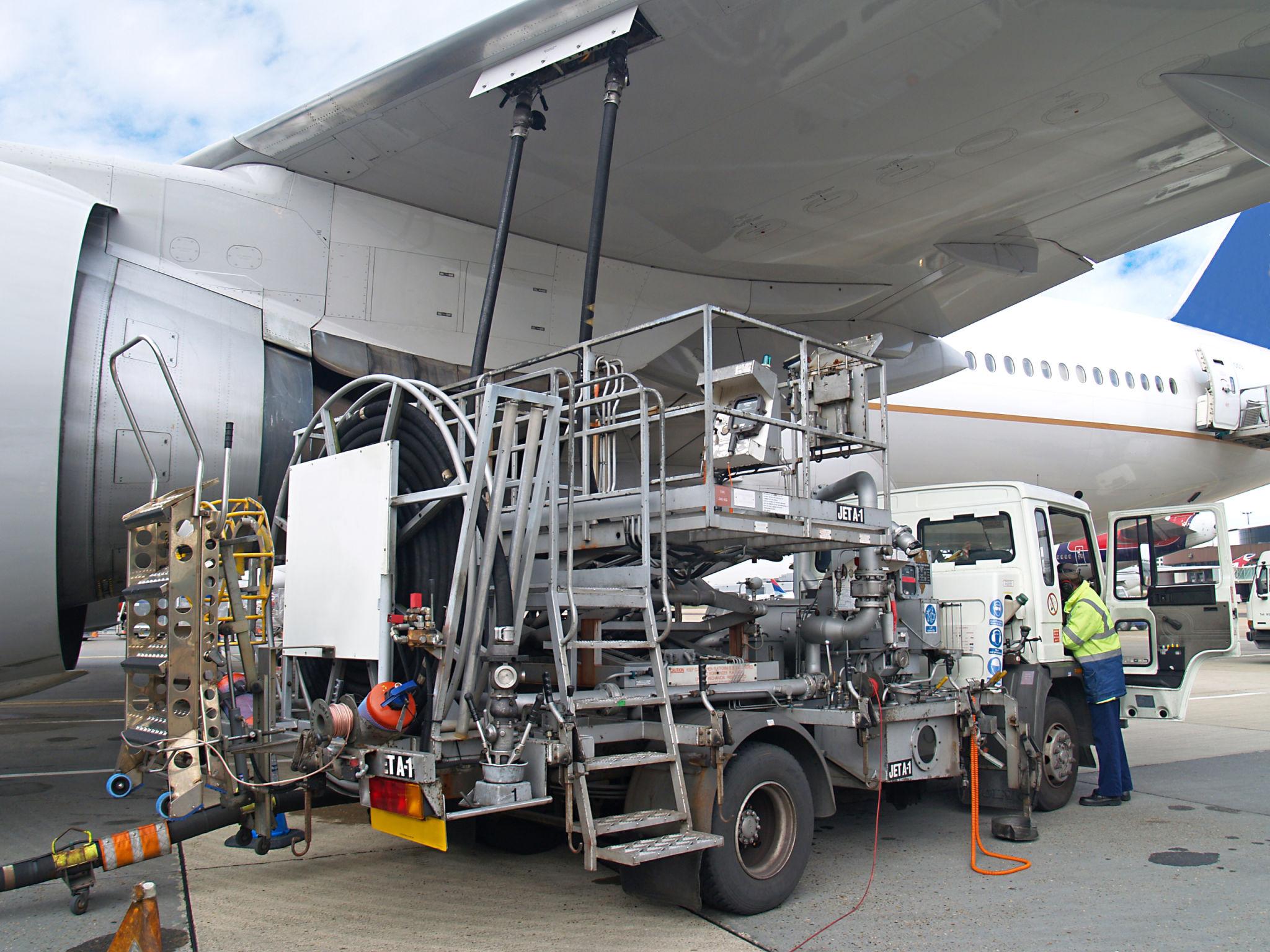
Fuel availability and pricing remain a central concern. African airlines have historically faced inconsistent access to Jet A1 fuel, and current geopolitical developments have intensified cost pressures.
The Airports Company South Africa (ACSA) has indicated that South Africa’s major airports currently have sufficient jet fuel supply, although the broader supply environment remains constrained.
Munetsi cautioned that the situation highlights the vulnerability of airlines operating in markets with limited fuel security and pricing stability.
FLEET AND INFRASTRUCTURE CONSTRAINTS
The pressure on airlines is compounded by global supply chain disruptions affecting aircraft deliveries. According to the International Air Transport Association (IATA), production delays and delivery backlogs have contributed to a rise in average fleet age globally, limiting efficiency improvements.
For African carriers, these constraints are often more pronounced, as access to newer aircraft remains more restricted.
SUSTAINABILITY AND OPERATIONAL REALITY
Munetsi also noted that while the aviation industry is under increasing pressure to transition towards sustainable aviation fuel (SAF), the immediate priority for many African operators remains securing reliable access to conventional jet fuel.
Without stable baseline supply, he indicated, the transition to alternative fuels is likely to remain constrained in the near term.
SOURCE: BUSINESS DAY / ACSA / IATA
IMAGE: WAN