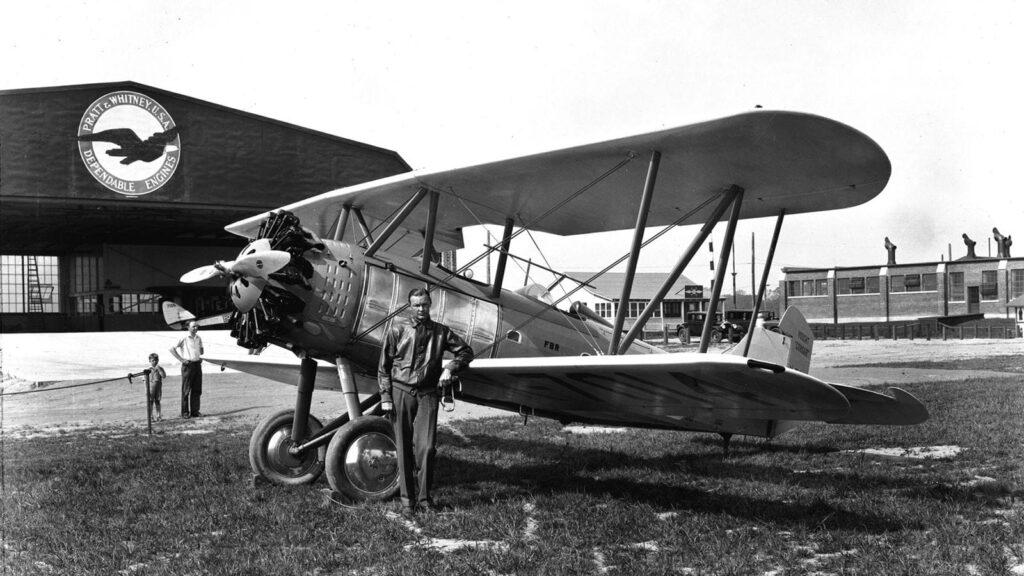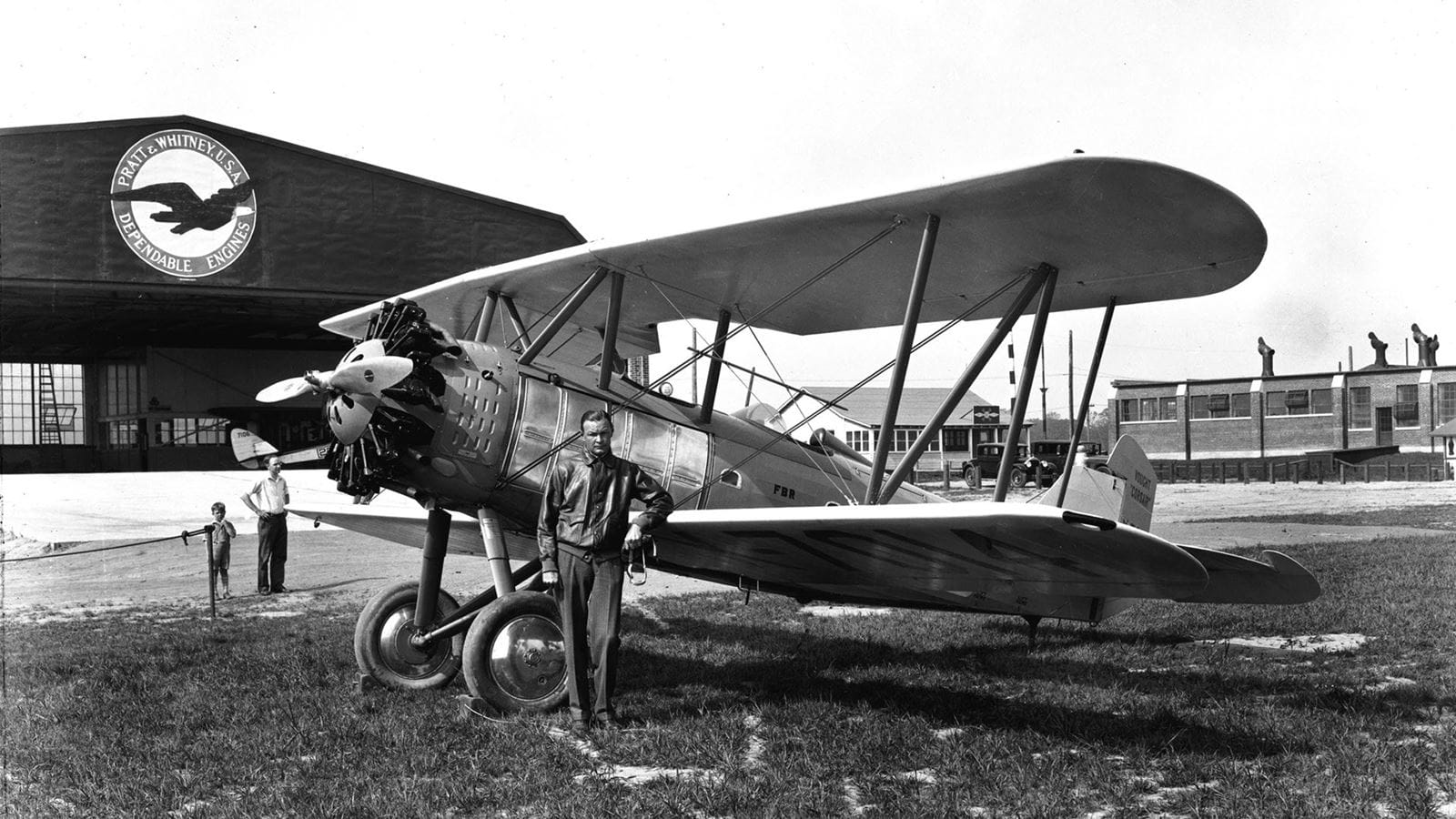
East Hartford, Conn. — July 22, 2025. Pratt & Whitney, an RTX business, has marked a significant aviation milestone—celebrating its centennial as a pioneer in aircraft propulsion. From the revolutionary R-1340 Wasp radial engine to today’s fuel-efficient GTF™ and battle-proven F135 powerplants, the company has spent the last hundred years reshaping the skies.
Founded in 1925 by aviation visionary Frederick B. Rentschler, Pratt & Whitney began with a bold idea: that a lightweight, air-cooled radial engine could deliver unmatched reliability and performance. The result was the 425-horsepower R-1340 Wasp, approved by the U.S. Navy in 1926 and soon powering early carrier-based aircraft. This success set the course for explosive growth through the interwar years and World War II, where the company produced more than 363,000 engines to support the Allied effort.
Transitioning seamlessly into the jet age, Pratt & Whitney led again with the J57—the world’s first twin-spool jet engine. It powered aircraft such as the Boeing B-52 Stratofortress and the commercial Boeing 707 and DC-8, ushering in a new era of military might and global air travel.
Today, the company supports over 90,000 engines in service and remains at the forefront of propulsion technology. Its geared turbofan (GTF) engine is the most efficient powerplant in the single-aisle segment, supporting aircraft like the Airbus A220, A320neo, and Embraer E2. The F135 engine, meanwhile, propels the Lockheed Martin F-35 Lightning II and is widely regarded as the safest and most capable fighter engine in service.
Pratt & Whitney’s Canadian operations continue to innovate in the general, regional, and business aviation sectors, building on a legacy that began with the PT6 engine and has since expanded to over 200 certified engine types.
Looking to the next century, the company is investing in a suite of advanced technologies, including hybrid-electric propulsion, hydrogen-fueled systems, rotating detonation engines, and adaptive cycle engines. These efforts are backed by RTX’s global scale and deep expertise, positioning Pratt & Whitney to continue shaping the future of flight.
In celebration of its centenary, the company has launched a travelling historical exhibit that will visit 11 global facilities, as well as a digital experience and a commemorative marker at its original Hartford, Connecticut headquarters.
With a workforce of 45,000 and a century-long legacy of dependable engines—literally stamped on every unit produced—Pratt & Whitney enters its second century with the same spirit of innovation and commitment to excellence that launched it in 1925.
SOURCE AND IMAGE: PRATT & WHITNEY