Integration Over Platform: The New Defence Imperative
In a high-threat, near-peer environment, isolated platform superiority is no longer a viable defence strategy. True strategic advantage now depends on the ability to connect and act on information across air, land, sea, space, and cyber domains.
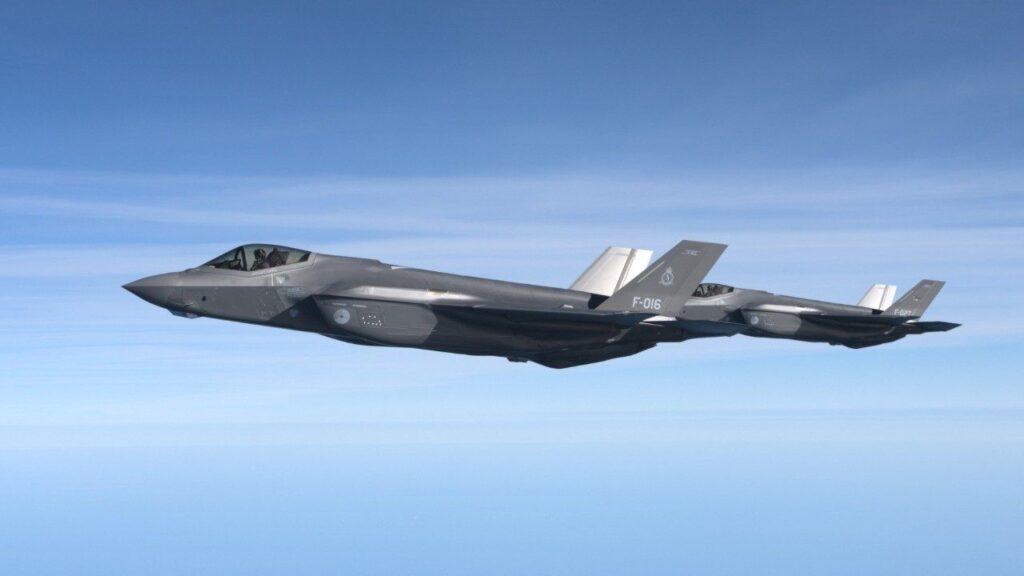
“For some time now, we’ve been focused on integrating horizontally across the entire enterprise,” said Ulmer, referencing Lockheed Martin’s successful Ramstein Flag demonstration. In that exercise, a Dutch F-35 detected a ground threat and passed encrypted targeting data via Skunk Works’ open architecture gateway to Dutch command elements. Ground artillery responded in near-real-time—without reliance on U.S. classified networks.
“That’s operational integration,” Ulmer emphasised. “Not slideware. Not a future concept. That’s where the warfighter is going.”
Skunk Works: Building the Backbone of Connected Combat
OJ Sanchez underscored the shift in Skunk Works’ role—from creating advanced standalone aircraft to designing the digital backbone of multi-domain operations.
“The transformation isn’t in the individual platforms,” Sanchez explained. “It’s in connecting them into adaptive networks that can flex to any mission.”
Core to this evolution are:
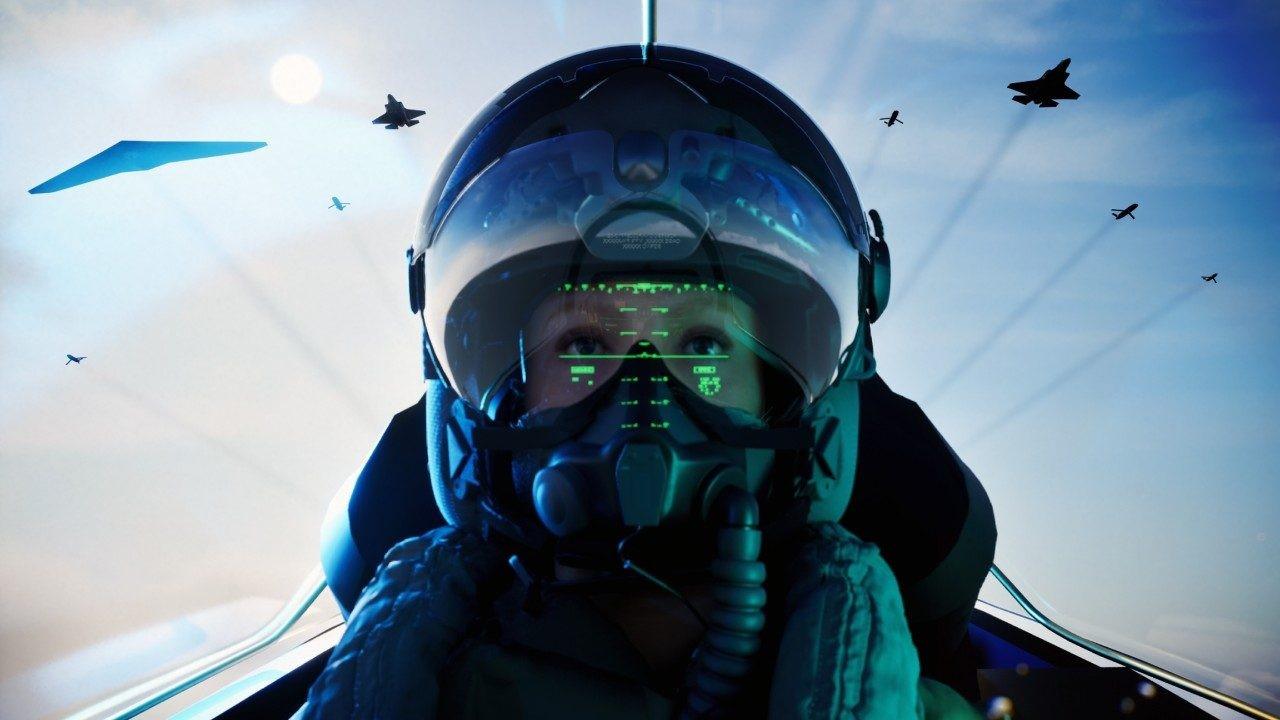
- Trusted autonomy and AI for rapid decision-making
- Open System Architecture to break proprietary silos
- Agile drone teaming with crewed aircraft
- Model-based digital threads for full lifecycle sustainment
- Additive manufacturing that cuts repair times from weeks to hours
Sanchez made it clear: open standards are no longer optional. “If allied nations want integrated deterrence at speed, open systems are a necessity.”
Industry at the Centre of Defence Innovation
General Scaparrotti highlighted a pivotal shift in defence innovation dynamics.
“Industry is now leading innovation,” he said. “The military must bring its toughest problems to the private sector—and work collaboratively, in real-time.”
He stressed that while technology is not the limiting factor, cultural barriers around information-sharing, interoperability, and agility remain a significant hurdle. “We already have the tech. What’s needed now is the willingness to use it—together.”
Digital Thread and Sustainment Disruption
Digital engineering, the panel agreed, will be a game-changer in sustainment operations during extended conflicts.
Sanchez noted that using digital design files and automated manufacturing, assembly timelines have been cut from 30 days to 8 hours—eliminating delays and rework. Ulmer added that in future theatres, deployed forces may manufacture certified parts on-site, delivering a level of agility that could decide the outcome of prolonged engagements.
The Future Is Fast, Open and Interconnected
The session closed with a unified call to rethink what allied air power must become: a fully integrated, AI-enabled force capable of operating jointly across all domains at digital speed.
“One plus one can no longer equal two,” Ulmer concluded. “Integrated properly, one plus one must equal five. That’s the multiplier effect we must deliver to preserve credible deterrence.”
Lockheed Martin’s leadership in open architecture, autonomy, and multi-domain integration signals a transformative shift in coalition air power—and a clear roadmap to the future battlefield.