
Boeing forecasts that commercial aviation will need 674,000 new pilots over the next two decades, yet competition for entry-level First Officer positions remains intense. Industry figures interviewed by BAA Training argue the contradiction is not real: the shortage is a twenty-year projection, while today’s hiring is shaped by delayed aircraft deliveries, parked capacity and a preference for experience.
THERE IS NO SINGLE PILOT JOB MARKET
The aviation industry continues to warn of a growing need for pilots, with Boeing forecasting a requirement for 674,000 over the next two decades driven by fleet growth and workforce attrition – a figure World Airnews Daily reported from Boeing’s Pilot and Technician Outlook in July. For many newly qualified commercial pilot licence holders, the experience of the job market bears little relationship to that number. The apparent contradiction, industry figures argue, rests on treating commercial aviation as a single labour market when it is several, each driven by different fleet strategies and hiring priorities.
Julius Norkunas, Chief Executive of aviation recruitment platform AviationCV, said flight academies continue producing cadets at a steady pace while airline demand has not increased accordingly. He identified two immediate causes: aircraft delivery delays meaning fleets are not growing as planned, and high fuel prices pushing some carriers to park aircraft. The result is that airlines are frequently able to manage with the pilots they already have. He said the long-term shortage forecasts are real but describe the next two decades rather than today’s market for a low-hour First Officer.
THE DELIVERY BACKLOG AS A HIRING CONSTRAINT
The pressure is visible in delivery data. According to IATA’s June 2026 outlook, deliveries were approximately 5,600 aircraft below the pre-pandemic trend, while the global order backlog reached 18,100 aircraft in May 2026, equivalent to almost 60 per cent of the active fleet. The mechanism connecting that to cadet employment is direct: an airline recruits and trains crews against a delivery schedule, and when the aircraft arrive late the recruitment moves with them. A backlog approaching 60 per cent of the operating fleet represents an enormous quantity of deferred crew requirement, but deferred is the operative word.
When airlines do recruit, safety and insurance requirements can lead them to favour experienced pilots over newly qualified ones, since experienced candidates require less additional training. That preference compounds the timing problem for cadets: the constrained hiring that does occur is disproportionately directed at the part of the market they are not in.
REGIONAL SHIFTS AND THE WIDEBODY GAP
Demand also moves between regions in response to conditions. Norkunas said demand was fairly balanced across regions overall, but that the crisis in the Middle East had paused recruitment among Gulf carriers for several months, with the region now recovering as airlines resume activity. He noted that the uncertainty pushed some pilots back to Europe, adding to available supply there, a movement that tightens the European entry-level market further.
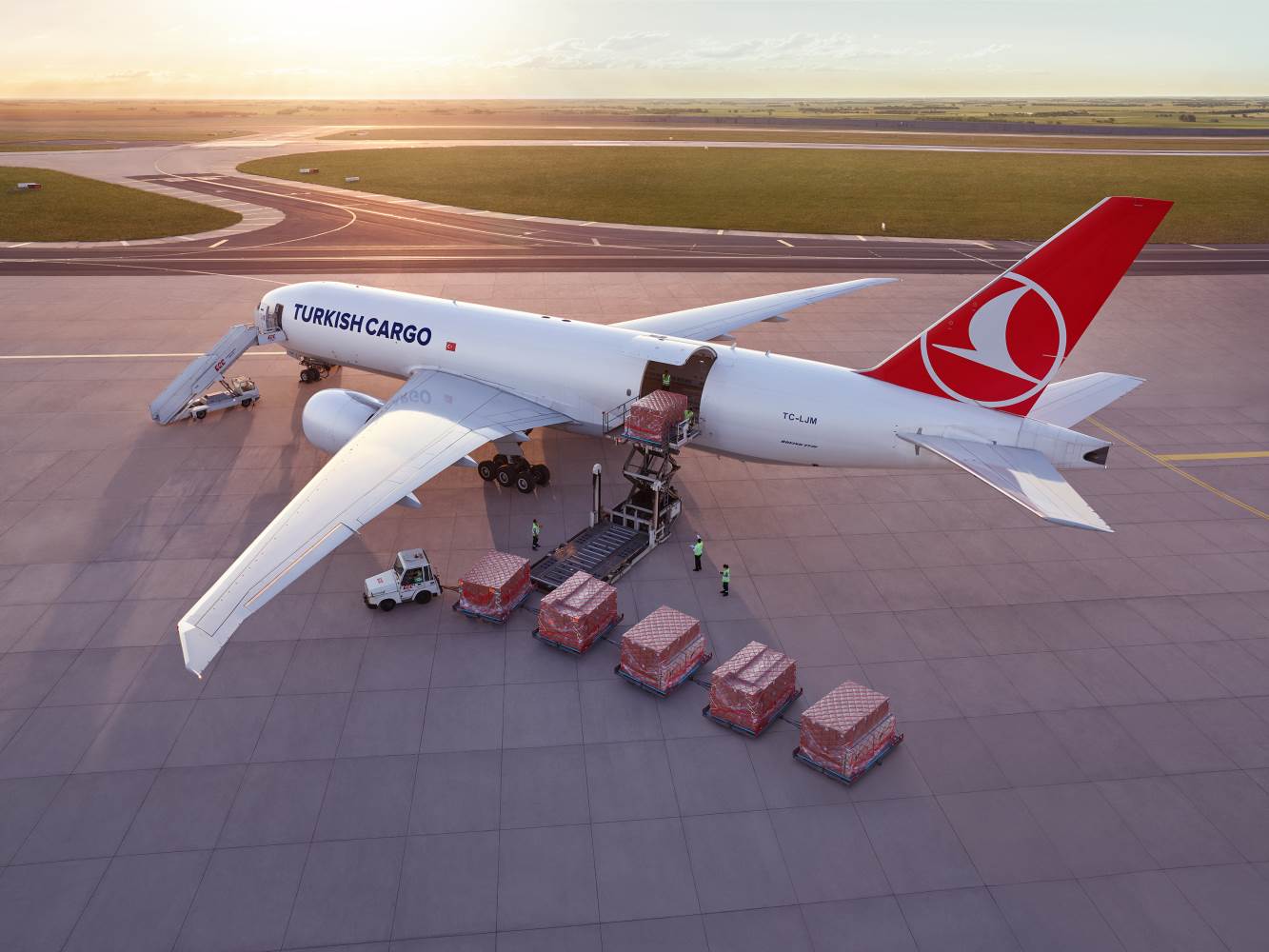
Aircraft type is the other axis. AviationCV data show strong demand for both First Officers and Captains on the A320 family and Boeing 737, but the clearest growth is in the widebody market. Norkunas said leading carriers were increasingly building fleets around the Boeing 787 and 777, with airlines competing to attract experienced pilots from European and Asian carriers as new widebodies arrive, particularly in the Gulf. His conclusion is the sharpest statement of the paradox: the biggest mismatch today is not in overall numbers but in experience and type qualifications, with demand consistently outstripping supply for highly skilled, type-rated pilots, particularly on widebodies, a gap he expects to widen.
WHAT AIRLINES ASSESS BEYOND THE LICENCE
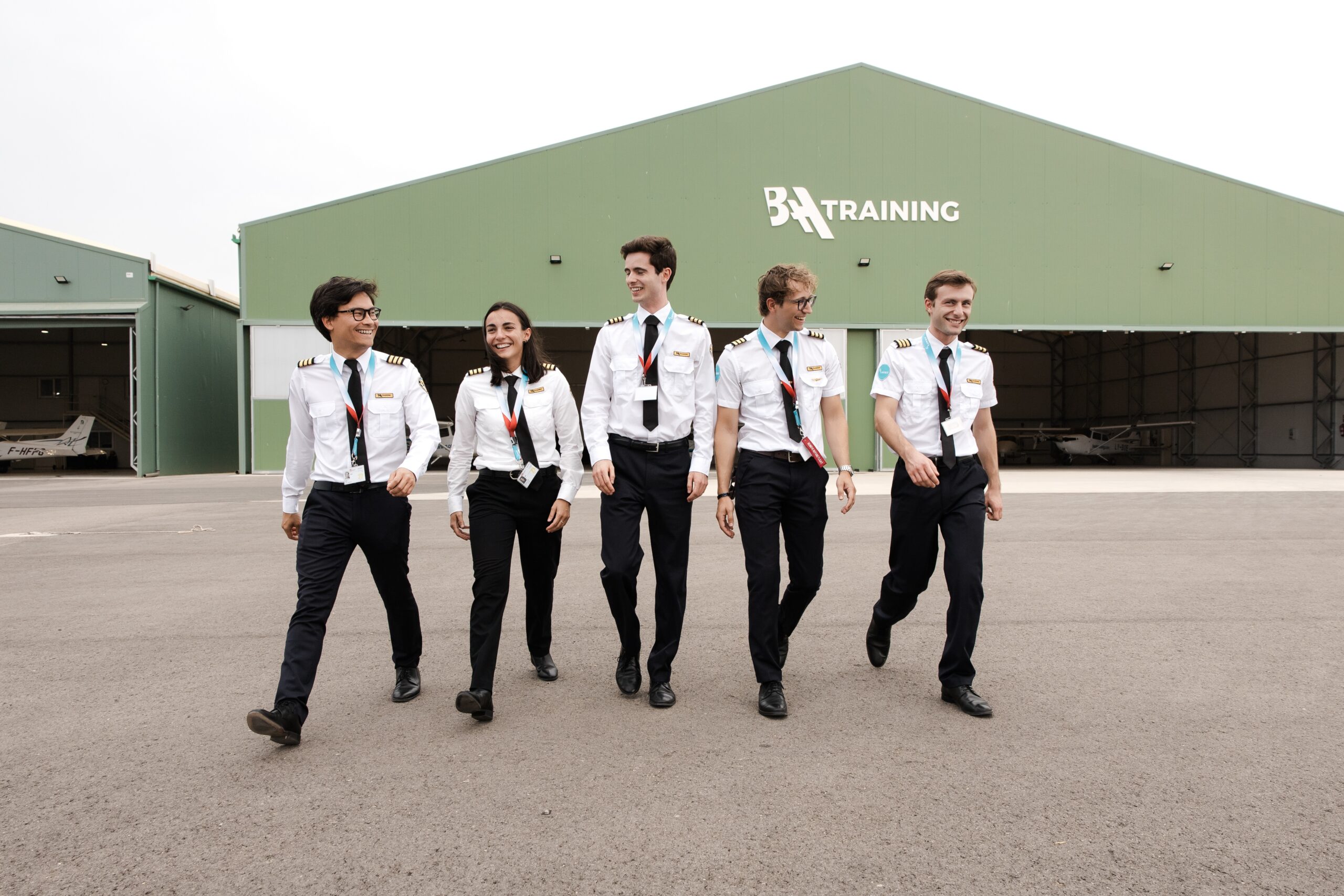
Stian Skaar, Head of Training at BAA Training, argued that a strong profile on paper does not automatically make a strong airline candidate. He said holding a CPL is no longer enough, and that airlines) particularly European low-cost carriers (increasingly prefer candidates who have completed the Airline Pilot Standards Multi-Crew Cooperation course, which develops the technical and non-technical skills expected of current pilots. That preference is visible in published recruitment criteria: Ryanair states that cadet applicants who have completed APS MCC training are given preference during initial selection, and British Airways has listed APS MCC as a requirement for its Speedbird Self-Sponsored Pathway.
The broader point concerns what candidates prepare for. Simulator assessments, behavioural interviews, crew resource management, decision-making, communication and professionalism form part of most airline selection processes, yet many candidates concentrate on licence and hours and address selection only when the first assessment invitation arrives. Skaar said the objective was not simply to graduate licensed pilots but to help them succeed in a recruitment process, transition into commercial operations and contribute to aviation safety and standards.
The conclusion the piece reaches is that the shortage and the competition are both real and are not in conflict. Long-term forecasts point to substantial demand; today’s hiring decisions are shaped by immediate fleet requirements, regional conditions, aircraft types and the availability of experienced pilots. For an aspiring First Officer, waiting for a forecast to convert itself into an offer is not a strategy.
Source and Images: BAA Training / Avia Solutions Group