

Next-generation radar promises superior threat detection at lower cost.
Raytheon, an RTX business, has successfully completed the first flight test of its cutting-edge PhantomStrike radar, marking a significant milestone in radar technology advancement. The test took place on the company’s Multi-Program Testbed aircraft over Ontario, California, where PhantomStrike effectively tracked multiple airborne targets and delivered accurate terrain mapping.
PhantomStrike represents a breakthrough in fire-control radar design. Fully air-cooled and powered by gallium nitride (GaN) technology, it offers long-range threat detection, precision tracking and targeting at nearly half the cost of conventional systems. Its lighter, more compact form enables broader application across multiple platforms while maintaining the fire control power traditionally reserved for high-end fighters.
Bryan Rosselli, President of Advanced Products and Solutions at Raytheon, highlighted the radar’s transformative potential: “The threat environment is evolving, and this test demonstrates how PhantomStrike can make enhanced situational awareness available to a broader set of our partners and allies – offering unparalleled performance and potential U.S. weapons integration – at an affordable price. This next-generation radar dramatically changes how we identify and respond to threats.”
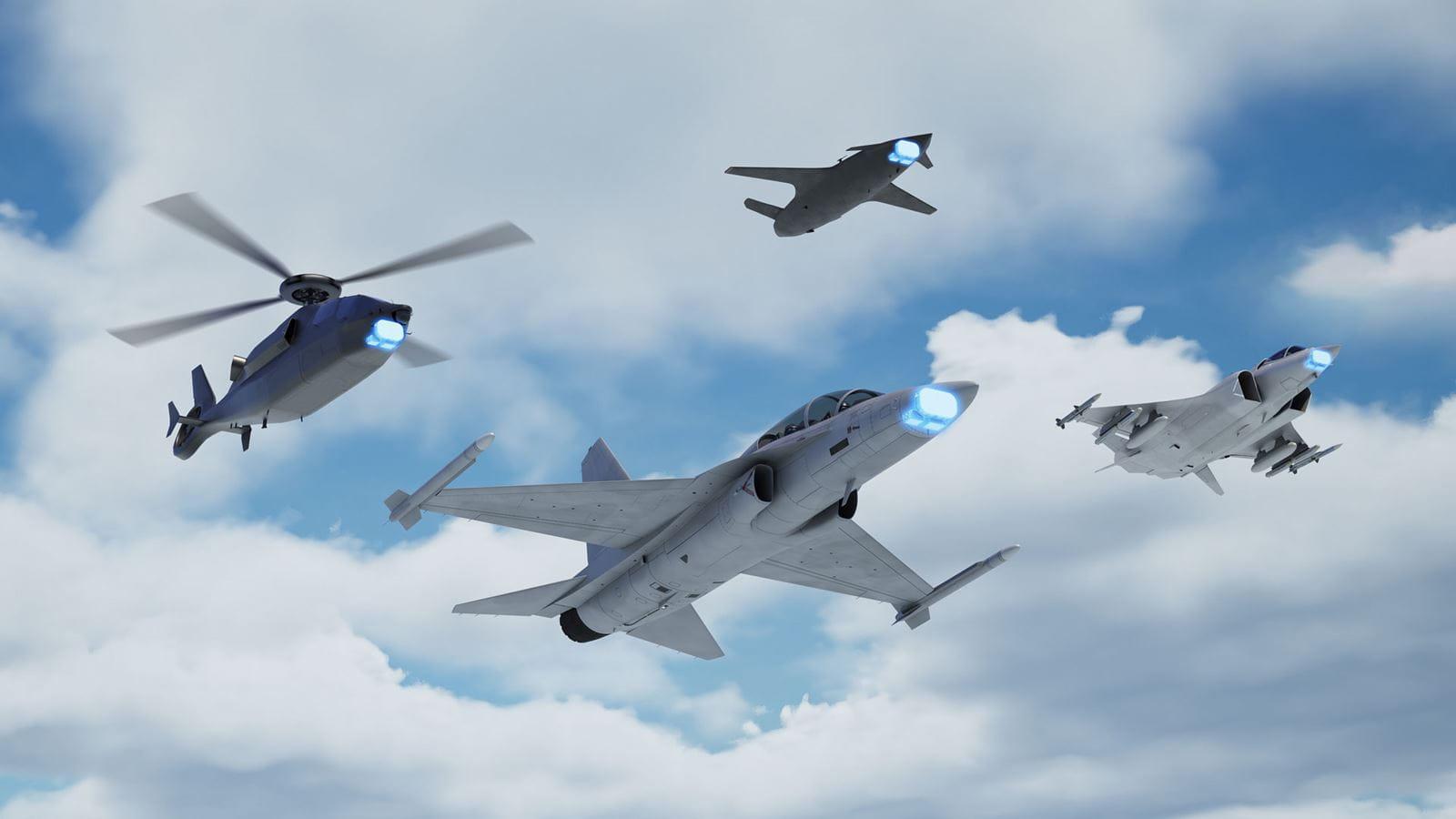
Featuring a faster, more agile digital beam, PhantomStrike enhances target detection and offers robust resistance to jamming, crucial for operations in contested environments. Weighing nearly half as much as current active electronically scanned array (AESA) radars, it’s designed for a broad spectrum of platforms — from uncrewed and light-attack aircraft to fighter jets, helicopters, and ground-based towers.
Production of PhantomStrike radars is underway at Raytheon’s facility in Forest, supporting the company’s commitment to delivering advanced solutions that meet evolving operational needs.
SOURCE AND IMAGE: RTX