
Airbus Foundation and Connected Conservation Foundation partnership boosts conservation efforts with data-driven insights
In April 2025, the world took notice of Romulus and Remus—no, not the mythical founders of Rome, but two white, fluffy dire wolf puppies brought back from extinction by Colossal Biosciences Inc. These headlines around “de-extinction” reminded us that while such feats of genetic engineering captivate public imagination, conservation must not wait until species disappear.
The real priority lies in using today’s advanced technologies to halt biodiversity loss, restore fragile ecosystems and protect endangered species. One such effort is unfolding in Kenya’s Nyakweri Forest, home to the last known population of giant pangolins in the country.
The world’s most trafficked wild mammal
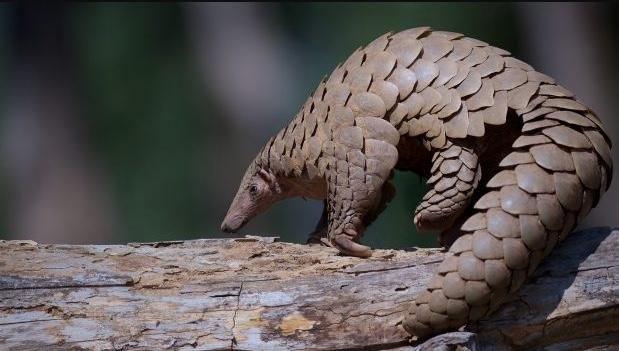
Elusive and nocturnal, the giant pangolin is one of eight pangolin species globally, three of which are critically endangered, three—including the giant pangolin—classified as endangered, and two considered vulnerable. Despite the highest level of international protection under CITES Appendix I, pangolins remain the most trafficked mammals worldwide, with an estimated one million poached in the last decade alone—mostly for their scales, prized in traditional medicine.
Until recently, giant pangolins were believed to exist no further east than Uganda. However, a 2018 breakthrough by the Pangolin Project confirmed their presence in Nyakweri Forest—some 500 kilometres further east. Unfortunately, over half of this forest has been lost in the past decade, largely to farmland expansion, placing immense pressure on the pangolin population and the forest ecosystem alike.
Technology meets conservation
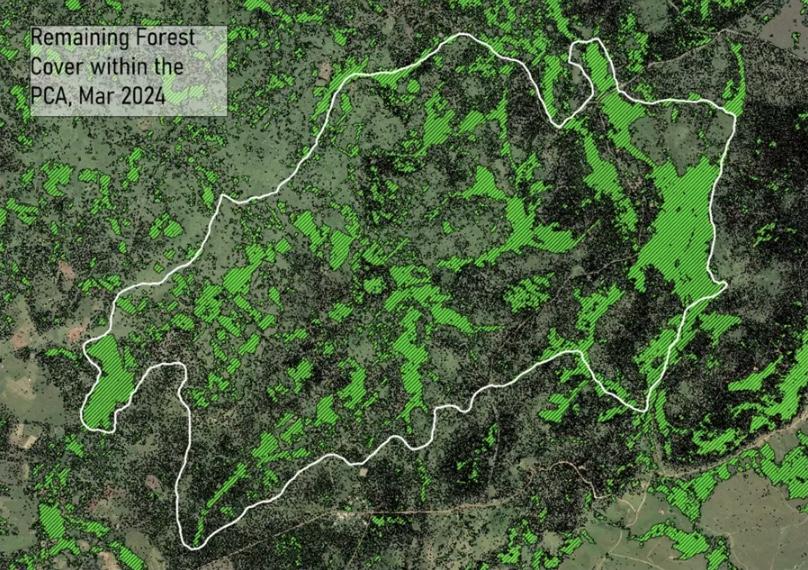
Langland Conservation, supported by the Airbus Foundation and Connected Conservation Foundation (CCF), is addressing this crisis with cutting-edge tools. The team is applying deep-learning AI and very high-resolution imagery from Airbus’s Pléiades Neo satellites to map deforestation and assess human-wildlife conflict, specifically the impact of electric fences on pangolins.
As part of the Masai Mara Satellite Sandbox initiative, Langland Conservation’s dual-study approach analysed habitat loss and tracked barriers to wildlife movement. The data helps identify where conservation efforts should focus, from restoring forest corridors to removing harmful fencing.
Refining AI to work with nature
Using a dataset of over 65,000 fence examples, the AI model was trained to differentiate between actual barriers and similar features like paths or field edges. With a dynamic learning rate, the algorithm improved from a 4% to 16% accuracy rate, eventually generating reliable boundary maps. These insights were then verified on the ground, ensuring alignment with real-world conditions.
The collaboration between Langland Conservation and the Pangolin Project has since led to community outreach, fence de-electrification and targeted habitat restoration—all crucial for the survival of this elusive species.
Scaling innovation through the Ecosystem Insight Hub
Findings from the Nyakweri Forest studies have been published on the CCF’s Ecosystem Insight Hub. This platform shares AI methodologies and satellite-based insights, enabling replication by GIS practitioners and conservationists worldwide. The project is one of many supported by the annual Satellites for Biodiversity Award.
Other 2025 award-winning initiatives include safeguarding chimpanzee habitats in Guinea, tackling seagrass loss affecting dugongs in Thailand, and tracking bark beetle threats to California’s ancient Giant Sequoias.
The message is clear: ecosystems are intricately linked, and urgent conservation action powered by data, AI and community engagement is needed now more than ever. Instead of relying on future technologies to bring species back from extinction, we have the tools today to protect them—before it’s too late.
IMAGE© CAPTION: Remaining forest cover within the priority conservation area, March 2024 © Langland Conservation
SOURCE: AIRBUS