
GE Aerospace has completed ground testing of a megawatt-class hybrid electric engine system, advancing development of future hybrid-electric propulsion technologies for commercial aviation.
CINCINNATI, USA – GE Aerospace has completed ground testing of a megawatt-class hybrid electric engine system developed through NASA’s Electrified Powertrain Flight Demonstration (EPFD) programme, marking a significant milestone in the development of future hybrid-electric propulsion technologies for commercial aviation.
Integrated system successfully validated
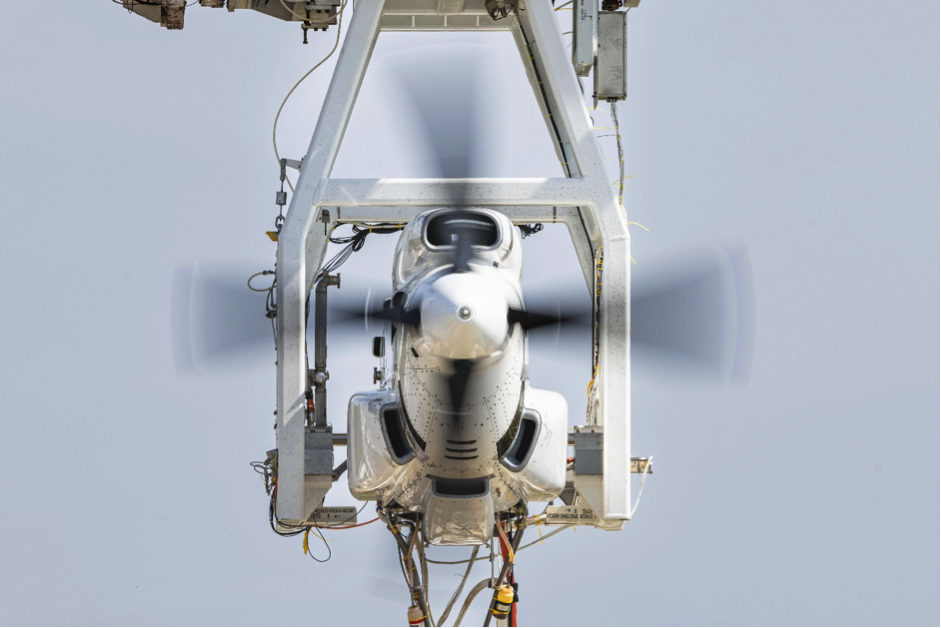
According to GE Aerospace, the test represented the company’s first validation of a fully integrated hybrid electric powertrain. The system incorporated GE Aerospace-developed motor generators, power converters, inverters and controllers, together with Dowty propellers, Avio Aero gearboxes and a CT7 engine. BAE Systems supplied the batteries used during testing, while Boeing subsidiary Aurora Flight Sciences provided the nacelle.
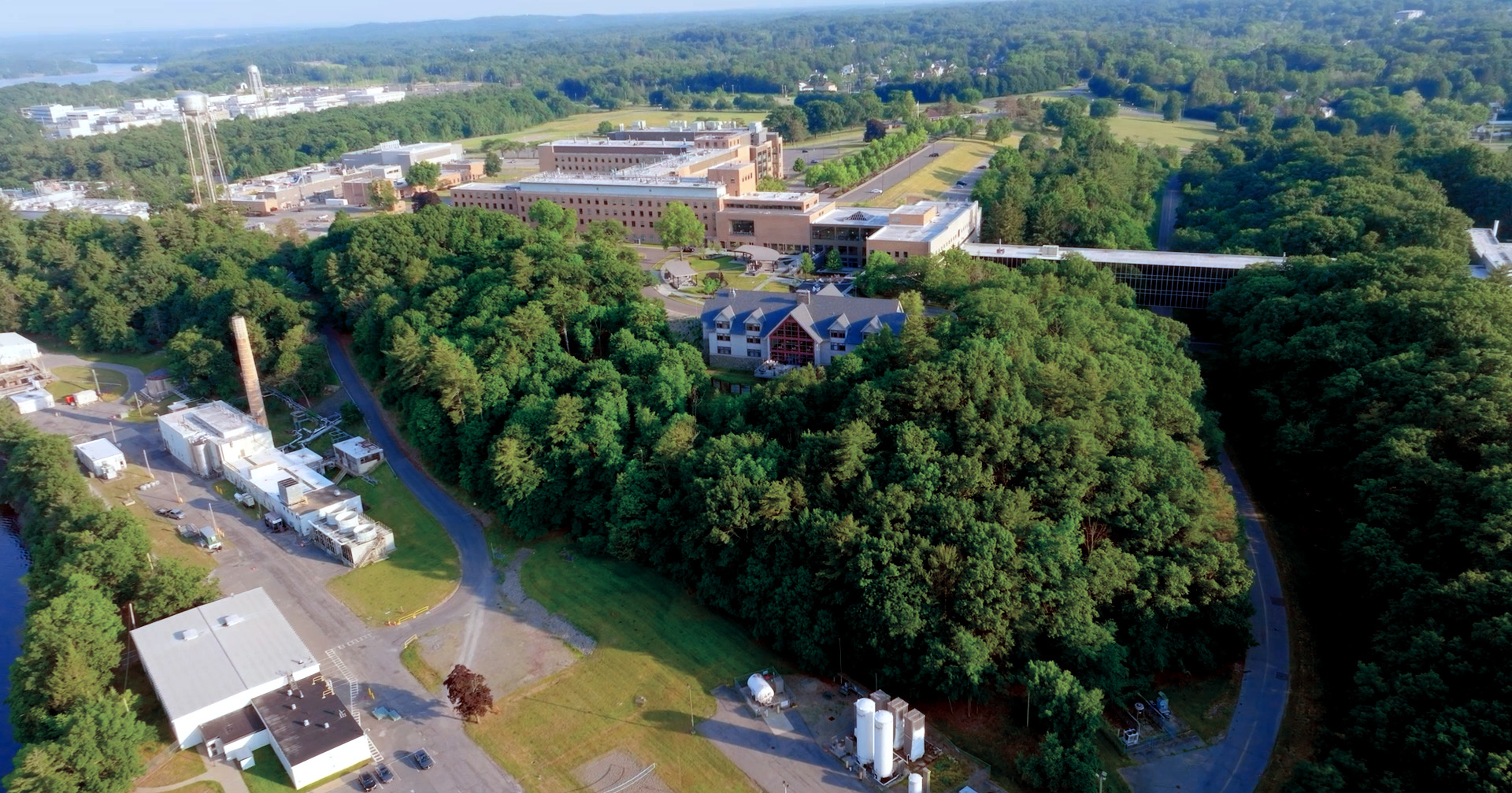
The testing campaign was conducted at GE Aerospace’s Peebles Test Operation facility in Ohio, where engineers simulated a range of flight phases including taxi, take-off, climb and cruise. During the tests, the electric powertrain successfully powered the propeller and generated electrical energy for the battery system.
Preparing for future flight demonstrations
GE Aerospace stated that the programme utilised flightworthy components designed to meet commercial aviation safety and reliability requirements. The company described the achievement as an important step towards demonstrating hybrid-electric propulsion in flight.
Arjan Hegeman, Vice President for Future of Flight at GE Aerospace, said the milestone builds on more than a decade of technology development and testing of individual hybrid-electric components and subsystems.
Hybrid-electric propulsion combines a conventional gas turbine engine with an electric powertrain, allowing power to be managed more efficiently during different phases of flight. The technology is also designed to be compatible with a range of future fuels and advanced engine architectures.
Supporting the CFM RISE programme
The hybrid-electric work forms part of the broader technology maturation effort supporting the CFM International Revolutionary Innovation for Sustainable Engines (RISE) programme. Introduced in 2021, the RISE technology demonstrator has accumulated more than 350 tests and over 3,000 endurance cycles covering Open Fan propulsion, compact engine cores, hybrid-electric systems and other advanced technologies.
The programme is targeting a fuel-burn improvement of more than 20% compared with current commercial aircraft engines in service. GE Aerospace and its partners are continuing work on aircraft and engine integration, with both ground and flight testing planned during this decade.
More than a decade of hybrid-electric development
GE Aerospace highlighted several milestones achieved during its hybrid-electric technology development programme, including an electric motor-driven propeller ground test in 2016, a megawatt-class hybrid-electric propulsion system test under simulated high-altitude conditions in 2022, and a hybrid-electric narrowbody propulsion demonstration conducted through NASA’s HyTEC project in 2025.
The company also noted its strategic partnership with BETA Technologies, announced in 2025, which includes plans to co-develop a hybrid-electric turbogenerator for Advanced Air Mobility applications.
SOURCE AND IMAGE: GE AEROSPACE