
AS EGYPT TARGETS 30 MILLION TOURISTS A YEAR BY 2030, KLASJET ARGUES THAT AIRLINES CAN USE ACMI CAPACITY ALONGSIDE PERMANENT FLEETS TO MANAGE SEASONAL DEMAND, DELIVERY DELAYS AND SHORT-TERM OPERATIONAL GAPS.
CAPACITY PLANNING AGAINST TOURISM GROWTH
Egypt welcomed nearly 19 million tourists in 2025 and is targeting 30 million visitors annually by 2030, according to figures cited in material supplied by KlasJet.
The resulting capacity challenge extends beyond long-term fleet expansion. Airlines must also account for seasonal peaks, route-specific demand, maintenance requirements, technical disruptions and delays to planned aircraft deliveries.
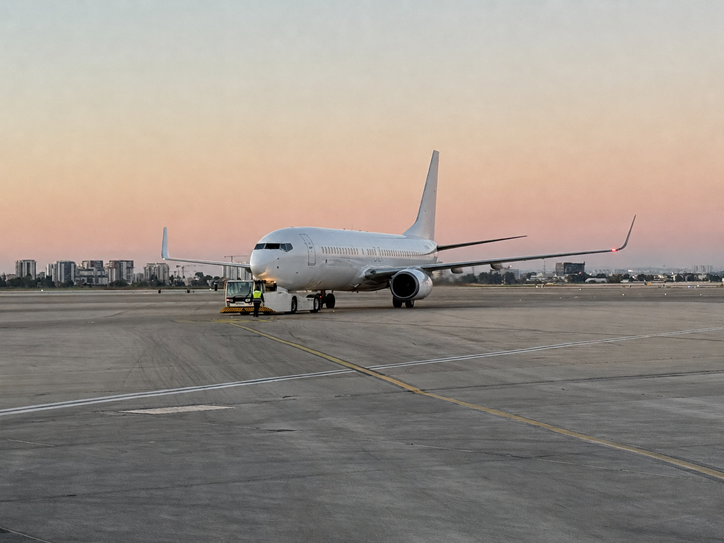
ACMI, or wet leasing, provides aircraft together with crew, maintenance and insurance for a defined period. KlasJet CEO Justinas Bulka said the model can be used alongside owned aircraft and long-term leases rather than as a substitute for a carrier’s core fleet.
MATCHING CAPACITY TO SEASONAL DEMAND
Egypt is expanding aviation infrastructure as passenger volumes grow. The supplied material states that a planned fourth terminal at Cairo International Airport will increase annual capacity to 70 million passengers, while Sphinx International Airport has completed an upgrade.
EgyptAir plans to grow its fleet to 125 aircraft by adding 34 aircraft, while Air Cairo plans to expand from 42 to 82 aircraft over four years.
Demand, however, is uneven across seasons and routes. The supplied material cites more than 10.2 million European tourists accounting for 65% of Egypt’s international arrivals in 2024, while charter flights to Egyptian tourism destinations increased by 32% in 2025.
Temporary capacity can allow airlines to add aircraft to selected routes during peak periods and release them when the requirement falls. KlasJet cited its 2025 cooperation with Air Cairo, when an aircraft was ferried to Cairo within three days of the agreement being signed.
BRIDGING DELIVERY AND MAINTENANCE GAPS
Temporary capacity can also be used when scheduled maintenance, technical events or delivery delays leave an airline short of aircraft for an established schedule.
EgyptAir has begun receiving aircraft from a fleet programme that includes 16 Airbus A350-900s and 18 Boeing 737 MAX aircraft. The supplied material states that production and supply-chain constraints continue to affect both major manufacturers and cites an estimated combined order backlog of 12 years.
Bulka said ACMI can bridge the period between a delayed delivery and the arrival of the permanent aircraft, allowing an airline to maintain schedules, slots and passenger commitments.
A VARIABLE LAYER AROUND THE CORE FLEET
KlasJet argues that permanent fleet growth remains necessary to support Egypt’s longer-term tourism ambitions, while temporary capacity can provide flexibility around that core fleet.
The supplied material estimates that strategic use of ACMI can improve airline profitability by 2–3% by adding capacity when revenue opportunities are strongest and releasing it when demand falls. This estimate is presented by KlasJet and is not independently substantiated in the supplied source.
KlasJet is an IOSA-registered ACMI and charter operator within Avia Solutions Group and operates under EASA standards.
Source and Images: KlasJet / Avia Solutions Group