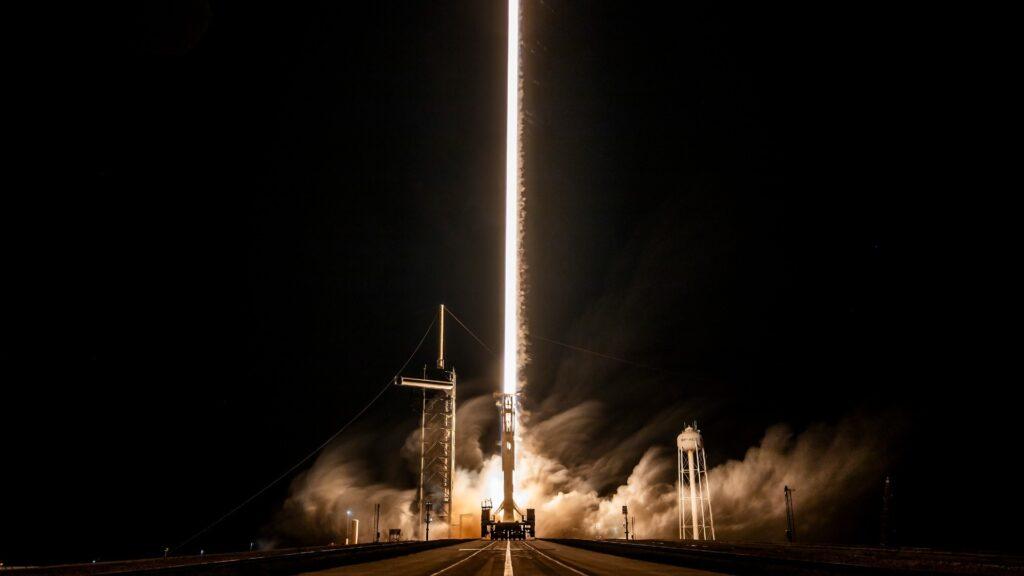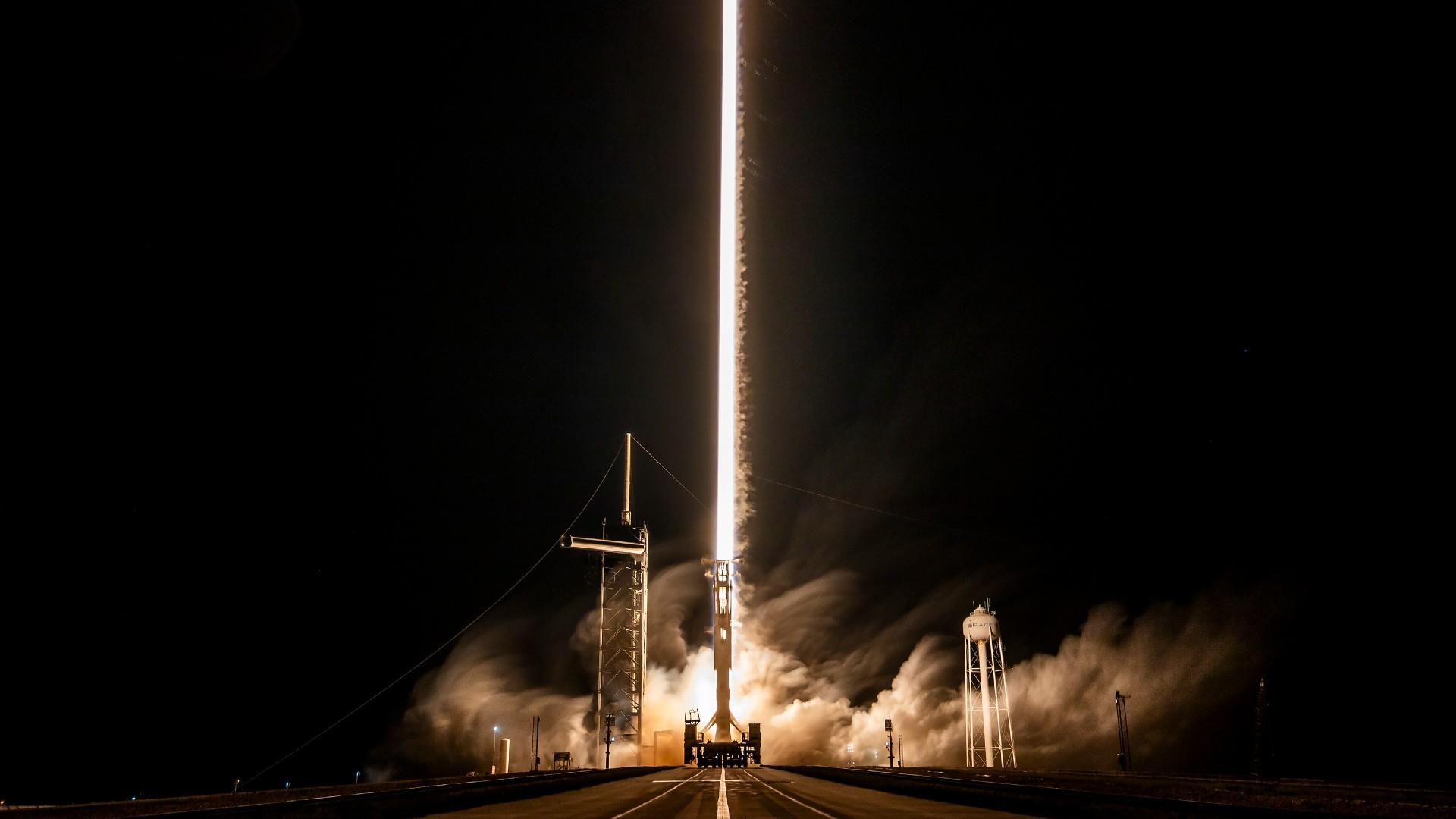
KENNEDY SPACE CENTER, Fla. – The Boeing-built X-37B Orbital Test Vehicle has launched on its eighth mission, lifting off at 11:50 p.m. ET on August 21 aboard a SpaceX Falcon 9 from Kennedy Space Center. Boeing confirmed the vehicle is healthy on orbit and proceeding with standard checkout.
Less than six months after its previous landing at Vandenberg Space Force Base on March 7, 2025, the reusable spaceplane is back in service. This mission carries a Boeing-integrated service module designed to expand payload capacity for on-orbit experimentation.
The X-37B is hosting a series of technology demonstrations in partnership with U.S. government organisations, including the Defence Innovation Unit and the Air Force Research Laboratory. Among the payloads are laser communications and a quantum inertial sensor, intended to support navigation in GPS-denied environments.
On its previous flight, the spaceplane executed a first-of-its-kind aerobraking manoeuvre to change orbits while conserving fuel.
“Our role is to make sure the spaceplane is the most reliable testbed it can be,” said Michelle Parker, vice president of Boeing Space Mission Systems. “Launch is the starting line for this mission, but the work that follows – the quiet, methodical work on orbit, analysis and eventual return – is where progress is earned.”
Col. Brian Chatman, installation commander for Space Launch Delta 45, added: “Having a returnable space platform allows us to learn faster. The data we gather from the X-37B speeds decisions, hardens our architectures, and helps Guardians stay connected and on course even in contested environments.”
The X-37B programme is a government–industry partnership led by the U.S. Air Force Rapid Capabilities Office, with the U.S. Space Force overseeing operations. Boeing teams in Seal Beach, Calif., and at Kennedy Space Center design, build, integrate and operate the reusable orbital test vehicle.
Since its first flight in 2010, the X-37B has completed seven missions and spent more than 4,200 days in space, returning after each flight for inspection and further development.
SOURCE AND IMAGE: BOEING