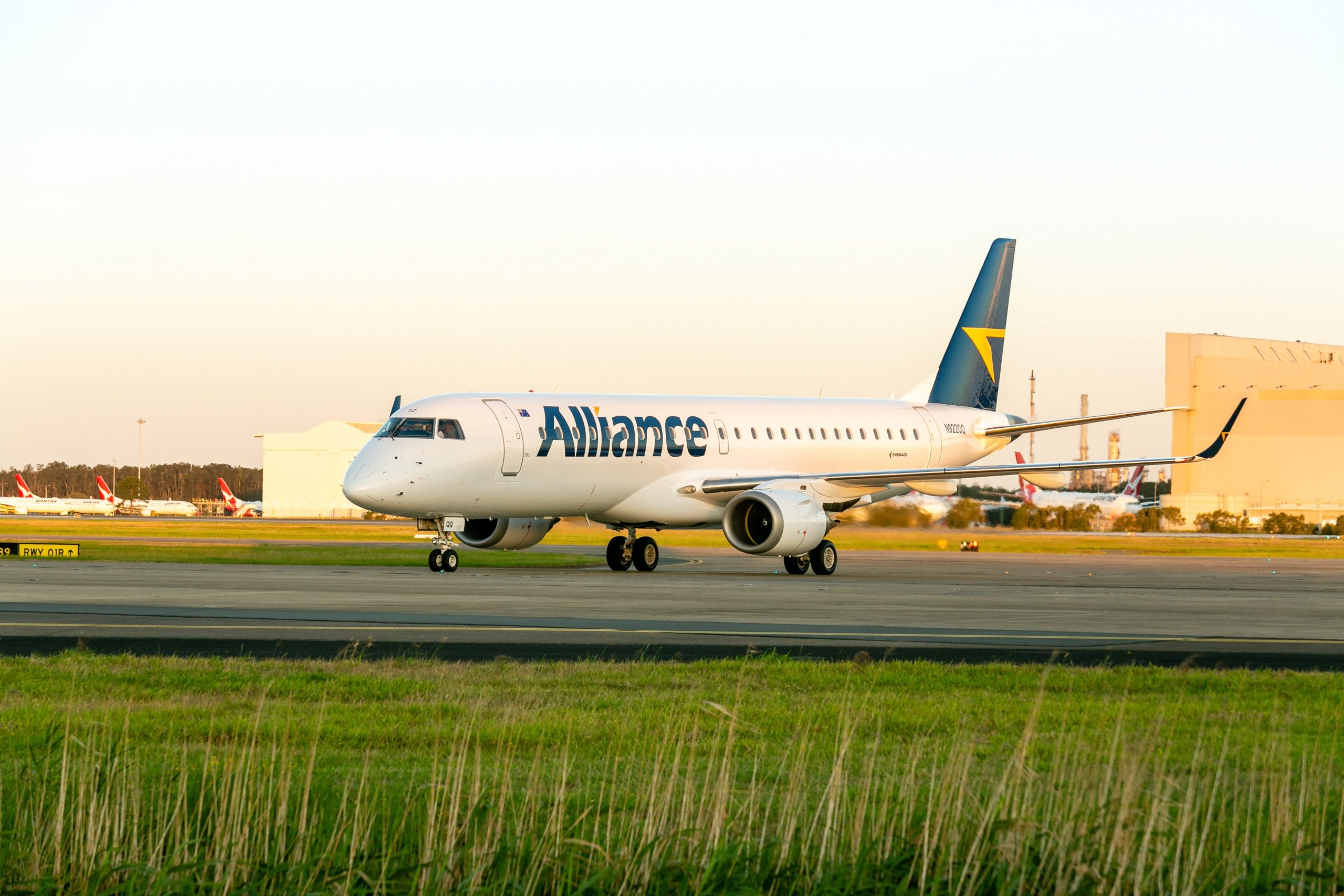

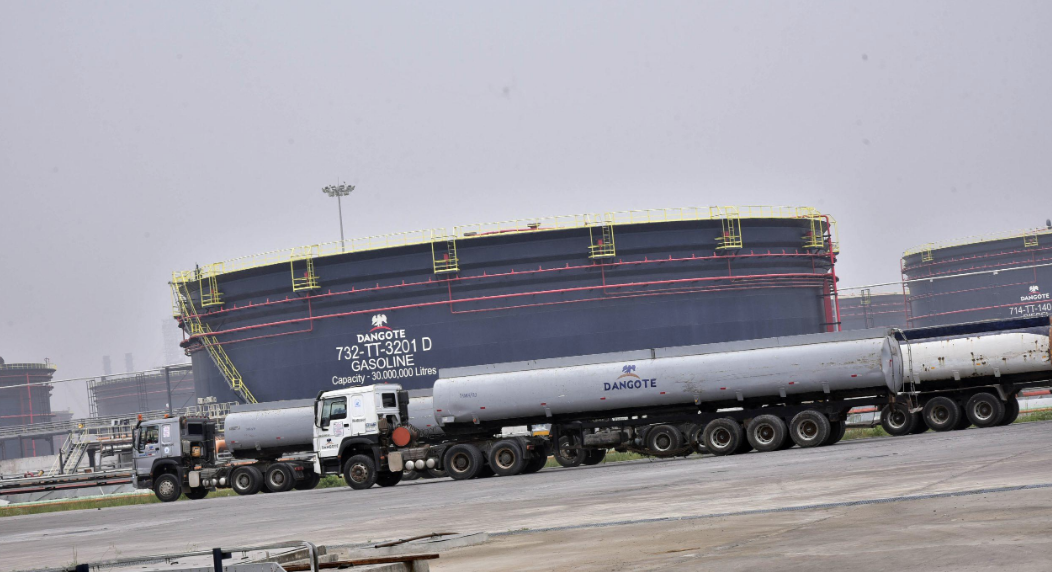
Dangote Refinery has begun direct jet fuel deliveries to Ethiopian Airlines as African carriers seek greater fuel security amid rising global energy prices.
Dangote Refinery has begun direct Jet A-1 fuel deliveries to Ethiopian Airlines as African carriers face rising fuel costs linked to ongoing geopolitical instability in the Middle East.
The development was announced during the Nigerian Association for Energy Economics conference in Lagos, where Dangote Refinery Managing Director David Bird confirmed that the refinery had commenced direct supply arrangements with Africa’s largest airline.
According to Dangote Refinery, the facility is currently operating at full production capacity of approximately 650,000 barrels per day, enabling exports beyond Nigeria’s domestic fuel requirements.
Bird said the refinery intends to prioritise African supply requirements. “Alhaji Aliko Dangote is absolutely unequivocal that it is Africa first,” Bird stated during the conference.
The agreement comes amid mounting concerns over jet fuel pricing following tensions affecting shipping routes through the Strait of Hormuz, a critical corridor for a significant portion of Africa’s jet fuel supply. Oil prices have risen sharply, placing additional financial pressure on African airlines.
Ethiopian Airlines Group CEO Mesfin Tasew recently warned that prolonged fuel price increases could threaten the viability of some African carriers, noting that fuel can account for up to 45% of airline operating costs.
The direct arrangement with Dangote marks a strategic shift toward regional fuel sourcing and reduced reliance on long-haul imports from traditional suppliers. Nigerian reports indicate the deliveries are already underway, although Ethiopian Airlines has not yet publicly disclosed supply volumes or pricing details.
Dangote Refinery currently produces approximately 24 million litres of jet fuel daily and has exported refined products to more than 11 African countries since February.
The development highlights growing efforts within Africa to strengthen regional energy resilience and aviation supply chain independence as airlines continue facing volatile operating costs and global fuel market uncertainty.
SOURCE: L’HEBDO MAY 2026