
The US Department of Transportation has extended its enforcement pause on four provisions of the 2024 Wheelchair Rule from December 2026 to April 2027, and has added a fifth: the annual hands-on flight attendant training requirement for on-board wheelchair and lavatory accessibility, due to take effect on 2 October 2026. The addition follows a request from a large US carrier whose FAA-approved training cycle runs on 18 months rather than 12.
WHAT HAS BEEN PAUSED, AND UNTIL WHEN
The US Department of Transportation has published a notification of enforcement discretion in the Federal Register of 4 August 2026, extending and expanding a temporary pause on the enforcement of disability access provisions in 14 CFR part 382. The notice appears under docket numbers DOT-OST-2021-0137 and DOT-OST-2022-0144 and RIN 2105-AE89, and is signed by DOT General Counsel Gregory Zerzan.
Four provisions of the December 2024 final rule ‘Ensuring Safe Accommodations for Air Travelers With Disabilities Using Wheelchairs’ — referred to by the Department as Wheelchair Rule I — were already subject to an enforcement pause announced in September 2025. These concern airline liability for mishandled wheelchairs, codified at 14 CFR 382.130(a); refresher training frequency at 382.141(a)(6); pre-departure notifications at 382.125(e); and fare difference reimbursements at 382.132. The Department had previously stated that the earliest it expected to decide whether to proceed with a final rule was 31 December 2026. It now anticipates the earliest date will be 30 April 2027, and has extended the pause accordingly.
The new element is a fifth provision. The Department is expanding the pause to cover the requirement at 14 CFR 382.63(h)(1) that flight attendants receive hands-on training at least once every twelve months on the retrieval, assembly, stowage, transfer features and use of on-board wheelchairs, together with training on the accessibility features of lavatories themselves. That requirement derives from the ‘Accessible Lavatories on Single-Aisle Aircraft’ final rule of August 2023 and was scheduled to take effect on 2 October 2026. As of 4 August 2026, enforcement of all five provisions is delayed until 30 April 2027.
Clarification:
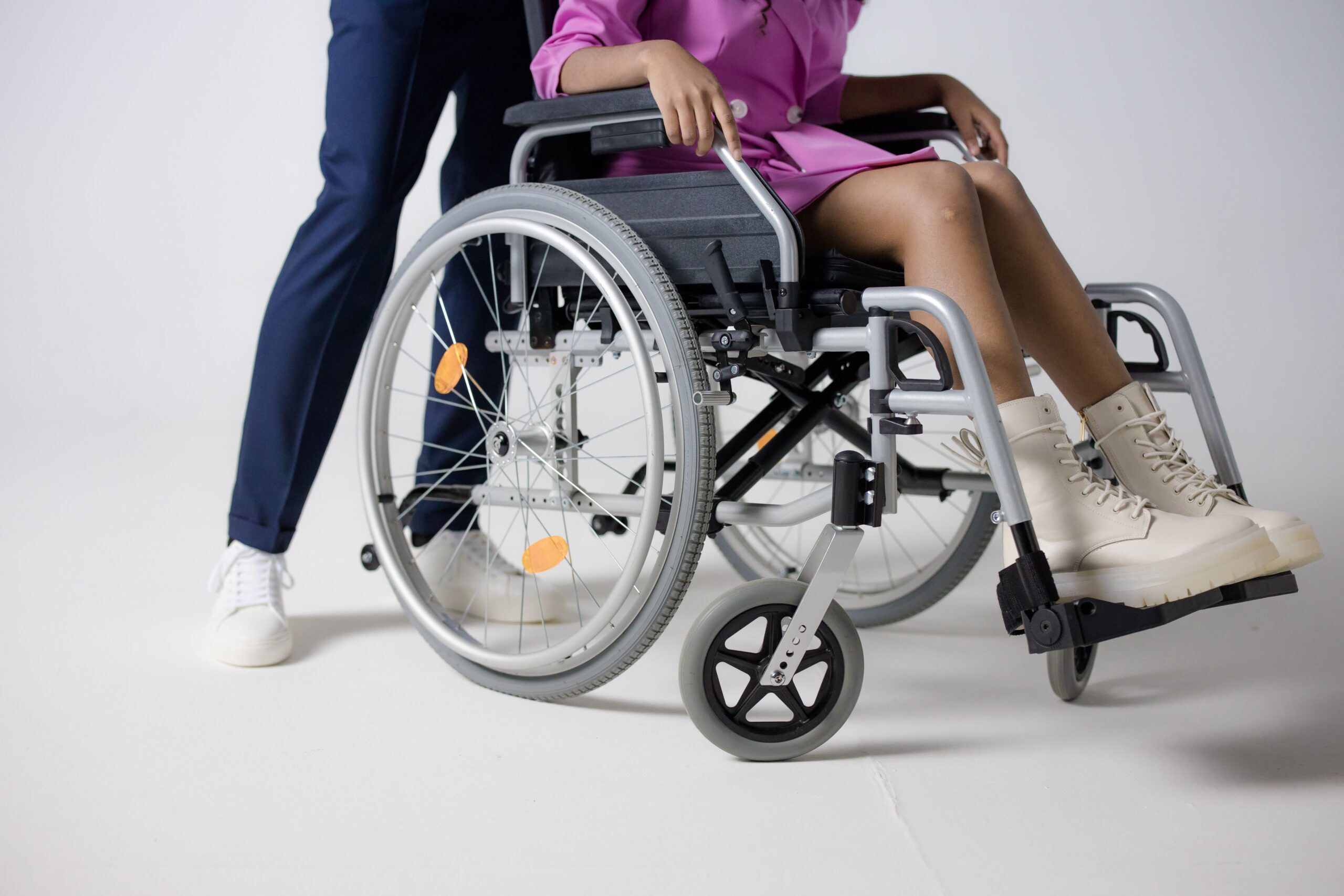
On-board wheelchairs, referred to as OBWs, are specialised wheelchairs stowed aboard the aircraft and used to move passengers between their seat and the lavatory, often in flight. They are distinct from standard wheelchairs used within the airport and from aisle chairs used for boarding and deplaning.
THE REQUEST BEHIND THE FIFTH PAUSE
The Department sets out the reason for the addition directly. A large US carrier recently asked for flexibility on the annual training requirement in the Accessible Lavatory Rule. The carrier explained that it had received FAA approval to conduct certain flight attendant safety training required under 14 CFR part 121 on an 18-month cycle rather than a 12-month one, and argued that conducting one type of training on an annual basis while conducting another on an 18-month basis was inefficient.
A footnote to the notice quantifies what the carrier described as the resulting incongruence: it would require the carrier to transport almost 30,000 flight attendants to training sessions off-cycle, removing each of them from operations for an additional day every year. That figure is the operational core of the matter. Recurrent cabin crew training is not delivered at base — crews are positioned to training centres, accommodated and rostered off the line — and a requirement landing outside the established cycle does not add an hour to an existing session but generates an entirely separate event. At roughly 30,000 crew members, one additional day each is on the order of 30,000 crew days annually for a single carrier.
A TWELVE-MONTH RULE SITTING BETWEEN TWO EIGHTEEN-MONTH CYCLES
The scheduling conflict is not unique to the carrier that raised it, and the Federal Register notice makes the wider inconsistency visible. Section 542 of the FAA Reauthorization Act of 2024 directed the Department to develop minimum training standards for personnel assisting wheelchair users boarding or deplaning by aisle chair, and for personnel stowing wheelchairs and scooters. Under that statute, recurrent training must be conducted within 18 months of initial training, with trainees recertified on the job every 18 months thereafter by a relevant superior.
Wheelchair Rule I, issued in December 2024, required initial training by 17 June 2026 and at least once every twelve months thereafter. The Accessible Lavatory Rule likewise set an annual cycle. The twelve-month requirement therefore sits between an eighteen-month interval specified in the authorising statute for related personnel and eighteen-month cycles the FAA has approved for part 121 safety training at individual carriers. The Department states it has decided that the training frequency issue raised by the Accessible Lavatory Rule will be addressed within the scope of the forthcoming Wheelchair Rule II, which will consider the frequency of refresher training for flight attendants on assisting passengers to and from lavatories, including hands-on OBW training and lavatory accessibility features.
WHAT THE PAUSE DOES AND DOES NOT MEAN
Two points require precision. First, enforcement discretion is not repeal. The provisions remain in force as regulations; the Department has stated it will not enforce them during the review period. Carriers that have already built compliance programmes are not required to dismantle them, and the Department states expressly that the exercise of discretion does not prejudge the outcome of the new rulemaking. Second, the notice affects only the identified provision of the Accessible Lavatory Rule. The Department states specifically that enforcement of the rule’s other requirements is unaffected — the accessible lavatory design requirements for single-aisle aircraft themselves are not touched by this notice.
The consequence for passengers is nonetheless real and should be stated plainly. Until at least 30 April 2027, the Department will not enforce provisions governing airline liability when a wheelchair is damaged or lost, the requirement to notify a passenger before departure, reimbursement of fare differences, or the frequency at which cabin crew must complete hands-on training in moving a passenger between seat and lavatory. For a passenger who uses a wheelchair, those provisions address the specific failures that most often determine whether a journey is workable. The rules exist; the mechanism for compelling compliance with them is suspended while the Department reconsiders their content.
The relevant rulemaking, ‘Airline Obligations to Accommodate Air Travelers with Disabilities Using Wheelchairs’, carries RIN 2105-AF35 and appeared in the Spring 2025 Unified Agenda. Enquiries may be directed to Tori Ford, Robert Gorman or Blane Workie at the DOT Office of Aviation Consumer Protection on +1 202 366 9342. The notice, the underlying rulemakings and all comments received are available at regulations.gov under the docket numbers cited.
Note: This article reports a notification of enforcement discretion published in the Federal Register. It is not a statement of current compliance obligations. Operators subject to 14 CFR part 382 should work from the published notice and take their own advice.
Source: US Department of Transportation, Office of the Secretary, Images: Pexels – cottonbro studio