
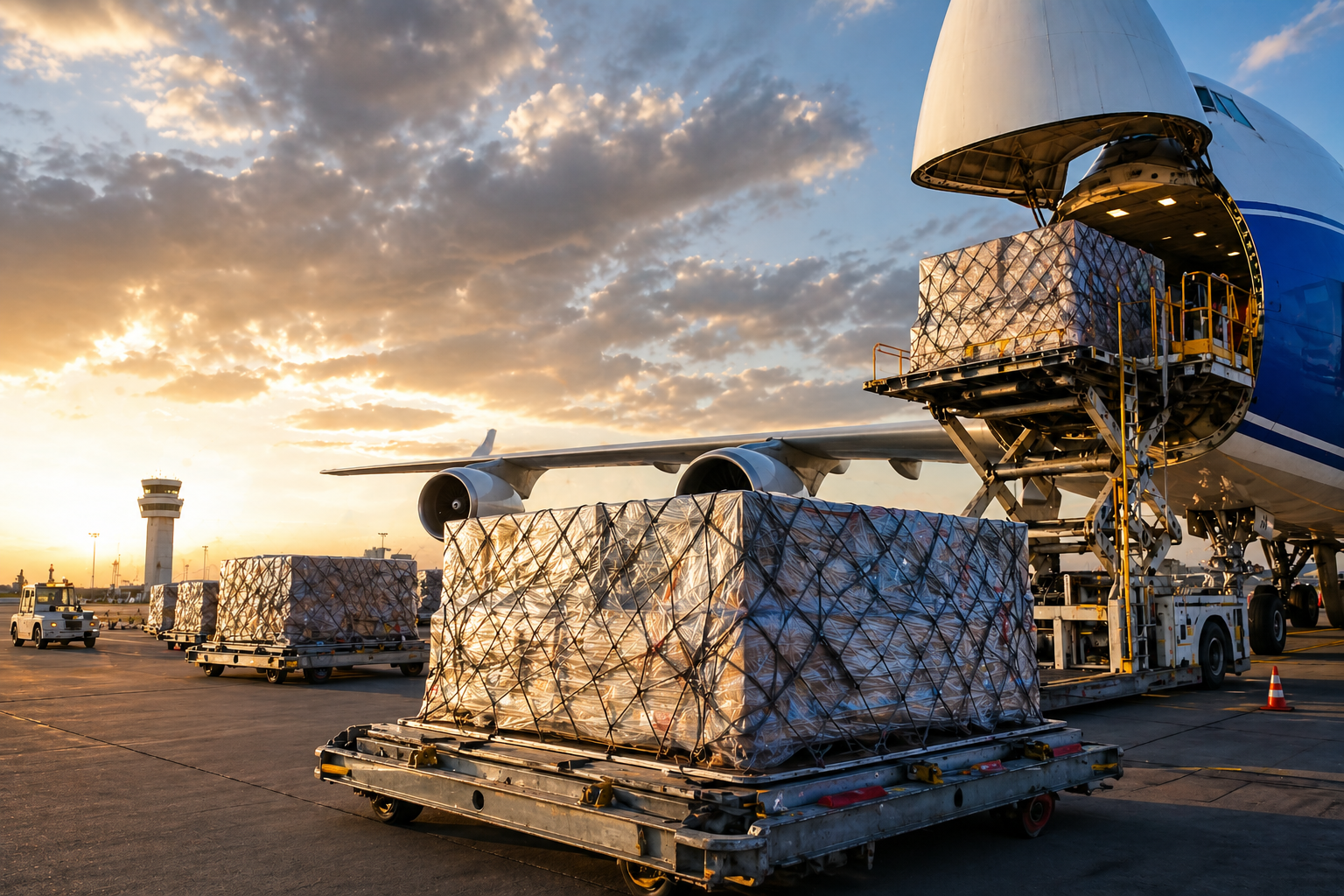
IATA reports global air cargo demand increased by 4.0% in April 2026, driven by strong Asia-linked trade flows despite disruption caused by conflict in the Middle East.
Asia-linked trade flows support cargo market performance as regional conflict reshapes global routes
GENEVA – Global air cargo demand increased by 4.0% year-on-year in April 2026 despite ongoing disruption to major trade corridors linked to the conflict in the Middle East, according to data released by the International Air Transport Association (IATA).
Total demand, measured in cargo tonne-kilometres (CTK), rose by 4.0% compared with April 2025, while available cargo tonne-kilometres (ACTK) declined by 0.4%. International cargo demand also increased by 4.0% during the period.
According to IATA, strong trade flows across Asia continued to support growth, although geopolitical tensions and operational disruptions in the Middle East significantly affected some cargo markets and trade routes.
Conflict impacts Middle East cargo performance
Middle Eastern airlines recorded the weakest regional performance, with cargo demand falling by 18.2% year-on-year and capacity declining by 22.9%. IATA said disruption at major Gulf hubs continued to affect trade flows and constrain capacity on key cargo corridors.
“The coming months will test how well the sector can absorb continued geopolitical uncertainty and elevated operating costs,” said Willie Walsh, IATA Director General.
The association also noted that jet fuel prices rose sharply during April, increasing by 121.1% compared with the same month last year, while crude oil prices increased by 77.7%.
Asia-Pacific leads regional growth
Asia-Pacific carriers achieved the strongest growth of any region, with cargo demand rising 10.5% year-on-year and capacity increasing by 5.3%. European airlines recorded a 6.0% increase in demand, while North American carriers reported growth of 5.0%.
African airlines also delivered positive results, posting a 7.7% increase in cargo demand despite a 9.4% reduction in available capacity. Latin American and Caribbean carriers were the only other region to record a decline, with demand falling by 2.8%.
Africa-Asia corridor records strongest trade lane growth
Among major cargo markets, the Africa-Asia trade lane recorded the strongest growth, increasing by 12.8% and extending a growth streak to ten consecutive months. Europe-Asia traffic rose by 16.2%, while intra-Asia cargo volumes increased by 13.0%, reflecting continued strength in regional manufacturing and trade activity.
In contrast, trade routes linked to the Middle East experienced significant contraction. Europe-Middle East traffic declined by 25.9%, while Middle East-Asia cargo volumes fell by 22.4%.
Manufacturing indicators remain supportive
IATA reported that global manufacturing sentiment remained in expansion territory during April. The Purchasing Managers’ Index (PMI) increased to 53.4, while the PMI for new export orders rose above the 50-point threshold, indicating conditions generally supportive of continued cargo demand growth.
While geopolitical tensions continue to influence global supply chains, the April results indicate that air cargo remains a critical transport mode for maintaining trade flows and supply chain resilience amid ongoing disruption.