
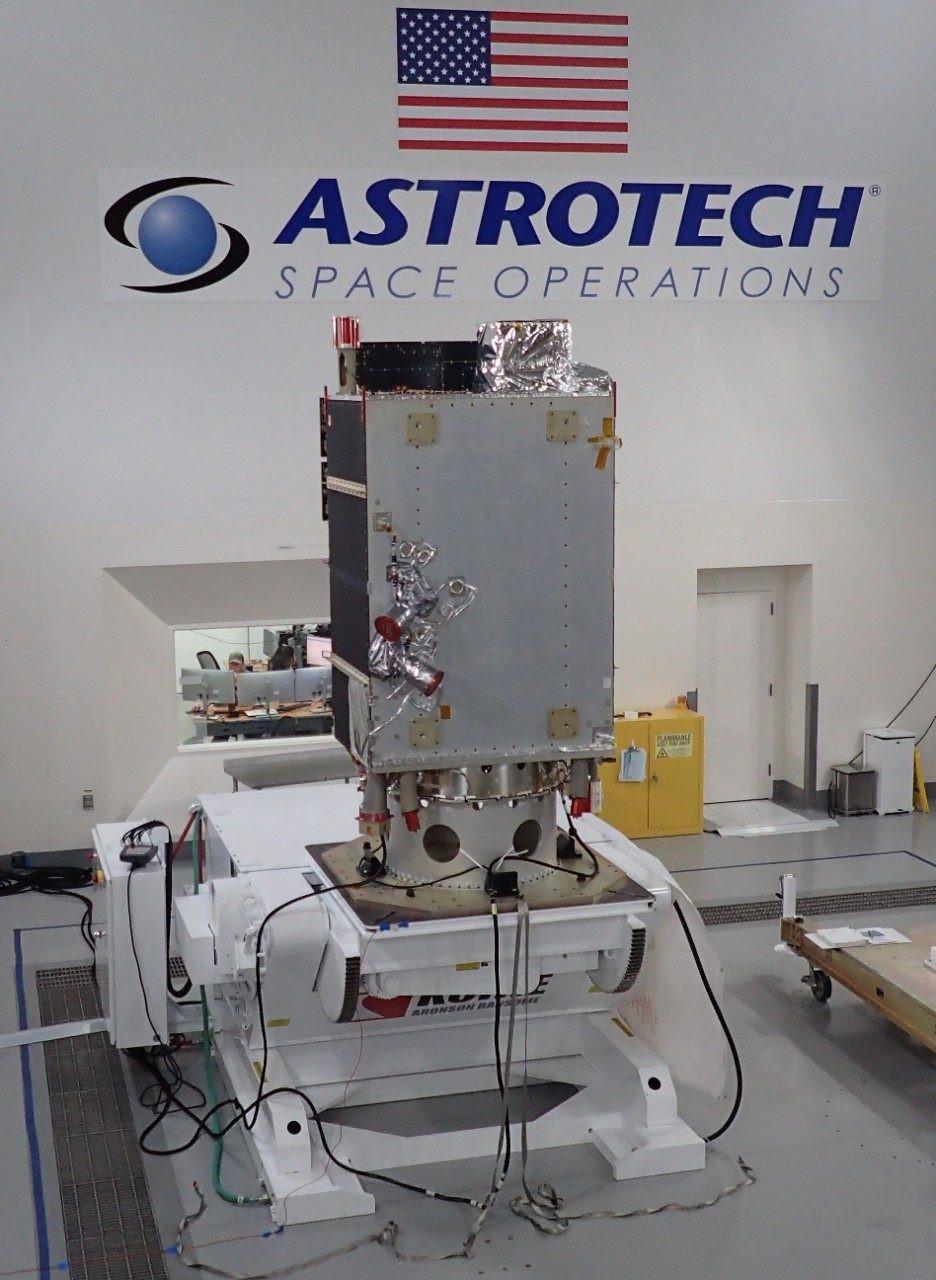
Lockheed Martin’s bold leap forward with its LM 400 technology demonstration satellite mission may not have reached orbit, but the outcomes speak volumes about innovation, speed, and risk reduction in modern space operations.
Launched from Vandenberg Space Force Base on April 29, the satellite failed to reach orbit due to a rocket anomaly and ultimately landed in a remote region of the Pacific Ocean. Nonetheless, Lockheed Martin used the mission as a powerful pathfinding exercise to mature its flexible LM 400 satellite platform—setting a benchmark for future space missions.
Ten Achievements That Moved the Needle
- Igniting Innovation
The mission was conceived and executed by Lockheed Martin’s Ignite organization—an in-house innovation engine tasked with accelerating technology readiness. This demo served as a key steppingstone for future customer-oriented solutions. - Gateway Center Pathfinder
Built and tested at the company’s Gateway Center—Lockheed Martin’s advanced multi-security-level satellite production facility—the LM 400 tech demo validated the capability for rapid satellite assembly and integration. - Accelerated Pre-Launch Processing
Despite being a first-of-its-kind, the LM 400 was processed for launch in a record 15 days—less than half the usual timeframe—thanks to a highly efficient workflow supported by Astrotech Space Operations at Vandenberg. - Broadening Access to Space
By working with a rising commercial launch provider, the team demonstrated the LM 400’s compatibility with multiple launch vehicles, expanding the platform’s adaptability and launch flexibility. - Pioneering Firefly’s First Powered Payload
The mission marked Firefly’s first-ever powered-on launch. Within 36 hours of launch, ground support equipment was installed, network connectivity validated, and flight readiness confirmed—establishing a rapid deployment model. - COSMIC Readiness
The company’s Cloud-enabled, Operational Services and Multi-mission Integration Capability (COSMIC) centre was prepared to assume satellite operations immediately post-launch, reinforcing Lockheed Martin’s end-to-end satellite lifecycle capabilities. - Global Ground Entry Integration
Partnerships extended beyond launch: Kongsberg Satellite Services’ global ground entry network was successfully integrated into COSMIC, ensuring robust, global communication reach. - Collaboration with U.S. Space Force
Throughout the campaign, Lockheed Martin worked closely with the U.S. Space Force’s Space Safari team, gaining valuable insight and aligning technology goals. Maj. Cliff “Skipper” Johnson praised the collaborative process:
“The opportunity to be shoulder-to-shoulder with a commercial team executing the LM 400 demo spacecraft integration and launch campaign was extremely valuable.” - Advancing Public-Private Infrastructure
The mission provided an opportunity to deepen cooperation with Vandenberg Space Force Base stakeholders, streamlining how commercial missions integrate into national infrastructure. - Operational Flexibility Under Pressure
Operating under a high-tempo window at Vandenberg, the satellite team remained launch-ready for 45 days—an impressive feat showcasing real-time adaptability and readiness.
LM 400: Future-Ready, Mission-Flexible
Digitally designed and highly versatile, the LM 400 platform is Lockheed Martin’s mid-size satellite bus, capable of serving military, civil, and commercial clients. Tailorable for payloads including communications, imaging, radar, and remote sensing, the LM 400 supports both standalone and constellation missions across various orbital ranges. Several units are already under contract, with another tech demo in production.
Jeff Schrader, Vice President of Strategy and Business Development at Lockheed Martin Space, summarised the mission’s value:
“We’re going fast, but taking calculated risks—that’s why we do these self-funded demos. We’ll take lessons learned from this space vehicle and apply them to all our future LM 400 satellites.”
SOURCE AND IMAGE: LOCKHEED MARTIN