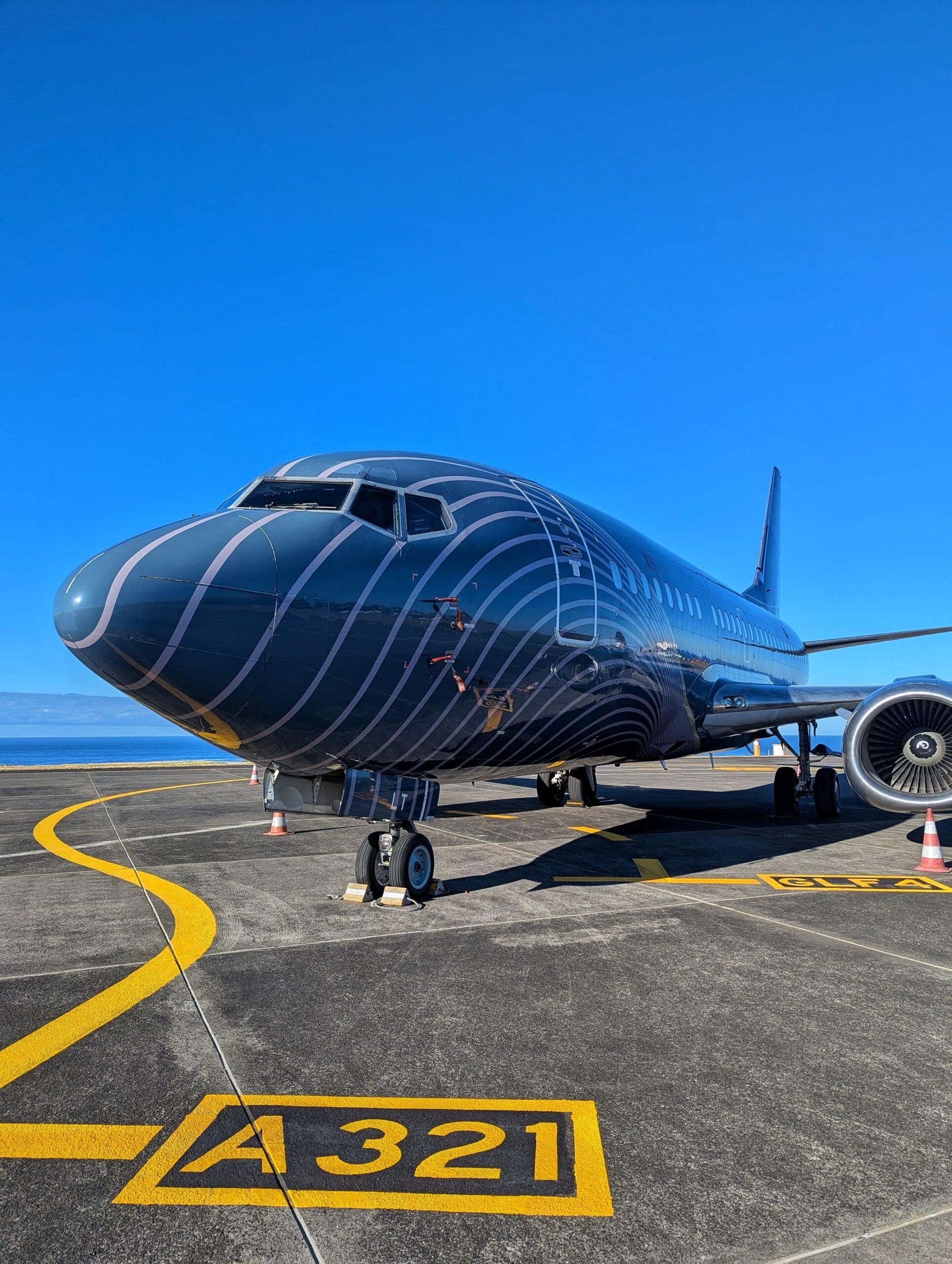
The global private jet market continues to expand steadily, with its current value estimated at $17.67 billion and projections indicating growth to $25.79 billion by 2031. Alongside this growth, expectations from private aviation clients are rising, placing increased pressure on operators to deliver consistently high standards with little margin for error.
According to Marton Modis, demand for private flights is higher than ever, and the complexity of client requirements is increasing accordingly. As volume grows, so too does the need for reliability, adaptability and close attention to detail across every aspect of operations.
Rising Flight Volumes, Rising Expectations
In 2025, global private jet activity reached 3,878,836 flights, representing a 4.6 per cent increase compared with 2024. Growth in the sector is being driven by time efficiency, convenience, improved access to remote destinations and evolving pricing structures. A broader segment of travellers is now able to afford private aviation, and many do not return to commercial flying once they have experienced it.
This shift has direct implications for service delivery. In an increasingly competitive environment, VIP group charters are now expected to match the standards traditionally associated with private jet travel. For operators, this means consistency, reliability and operational resilience are no longer optional differentiators, but baseline requirements.
Mr Modis explains that reliability is particularly critical for government and sports clients. At KlasJet, every flight is operated with an engineer on board as standard. The company also supports bands on extended music tours, where clients prefer to work with a single operator for the full duration of a tour, reinforcing the importance of consistency across multiple sectors and missions.
Operational Demands and Attention to Detail
Private aviation is inherently demanding, and the VIP charter segment faces a distinct set of operational challenges. Meeting these demands requires sustained investment in people, processes and aircraft, as well as meticulous attention to every stage of a flight.
Mr Modis notes that long-term success depends on managing even the smallest details. He cites a recent flight to Africa for a group of high-net-worth individuals, where specific in-flight catering requests included favourite snacks and drinks sourced from home countries. While such preferences may appear minor, they sit alongside more complex challenges such as securing flight permits and managing fuel availability.
In this context, attention to passenger comfort and familiarity becomes part of a broader operational discipline rather than an isolated service add-on.
Adaptability as a Core Requirement
Response time and aircraft availability are central to private jet operations. To improve flexibility, many providers are shifting away from fixed bases towards “floating” operational models, where fleets are positioned in line with market demand rather than remaining parked at specific airports for extended periods. This approach supports faster response times and improved client access.
Adaptability also extends to cultural awareness. Differences are not limited to national backgrounds but vary widely across industries and client types. A sports team may require catering that strictly complies with nutritionist protocols, while a corporate incentive group may prioritise recommendations for high-end dining experiences designed to impress and entertain.
According to Mr Modis, competitiveness in today’s private aviation market depends on recognising and responding to these distinctions. Every flight presents a new set of expectations, and past success does not guarantee future performance.
“What elevates certain providers is a mindset shift,” he observes. “Every flight, whether for royalty or first-time flyers, should receive the same level of care and attention.” Small gestures, consistently applied, play a significant role in shaping client confidence and long-term relationships.
SOURCE AND IMAGE: KLASJET