
One Air Aviation expands its training fleet with the Tecnam P2006T NG, supporting integrated multi-engine pilot training within its next-generation aircraft programme.
Spanish pilot school expands multi-engine training capability
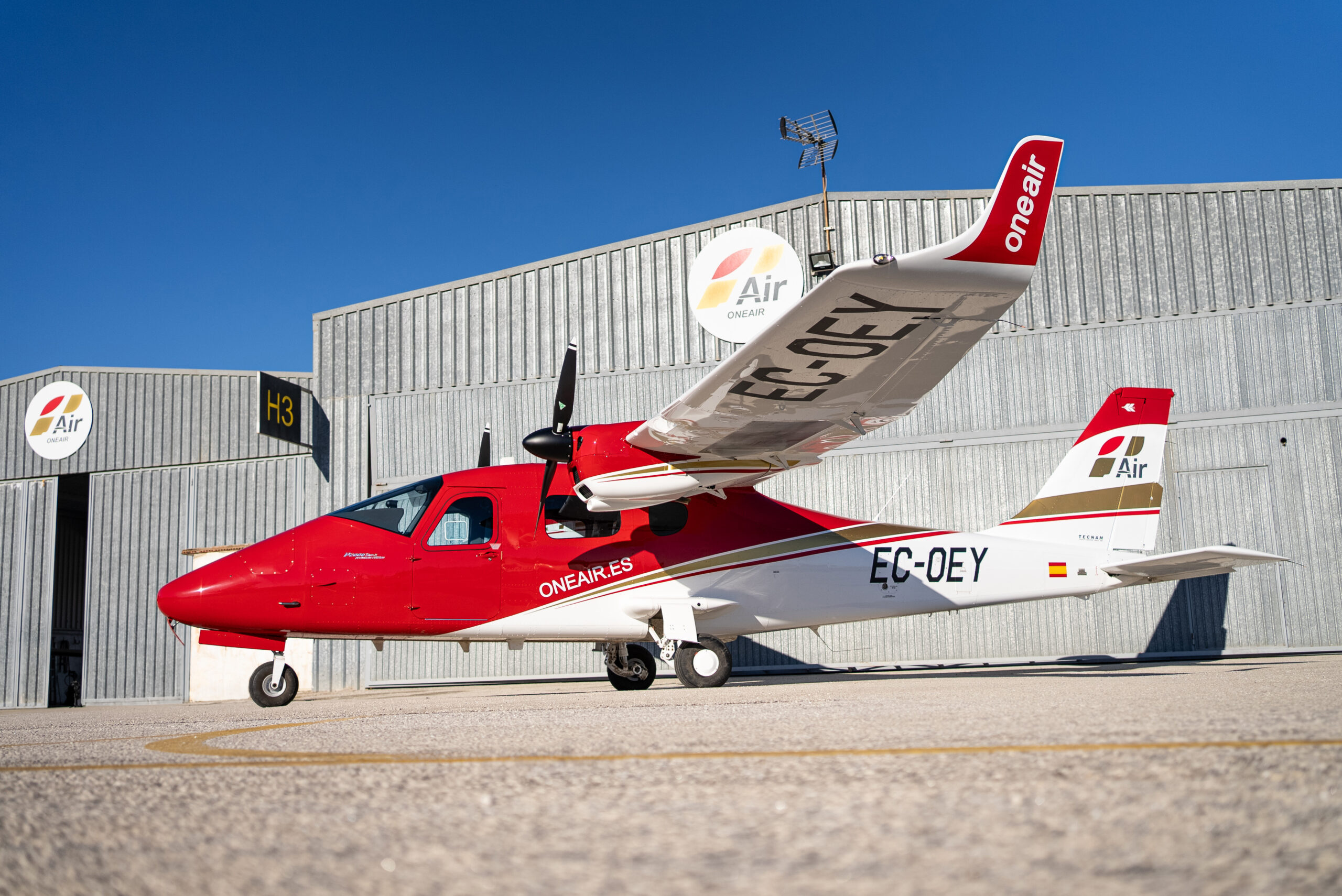
CAPUA, ITALY – One Air Aviation has selected the Tecnam P2006T NG to expand its training fleet, supporting the integration of multi-engine capability within its existing “Next Generation” training programme.
Fleet development and training structure
The Málaga-based Approved Training Organisation (ATO) has recently introduced the Tecnam P2008JC NG for initial flight training phases and will now incorporate the P2006T NG for advanced multi-engine instruction. This combined fleet structure is intended to create a unified training pathway across different stages of pilot development.
With this addition, One Air’s Tecnam fleet is expected to grow to 14 aircraft, including existing P2008JC MKII Premium and P2006T MKII Premium models, alongside newly introduced next-generation variants.
Avionics and operational commonality
Both aircraft platforms utilise the Rotax 912 iSc fuel-injected engine and are designed to support operational efficiency and reduced environmental impact. The training environment incorporates Garmin avionics systems, allowing cadets to transition from the Garmin G3X-equipped P2008JC NG to the Garmin G1000 NXi system in the P2006T NG.
The P2006T NG is also equipped with an advanced autopilot system, supporting training in automated flight operations aligned with contemporary commercial aviation practices.
Training capability and fleet scale
One Air Aviation operates from Málaga International Airport and La Axarquía Airport and maintains a training fleet of more than 32 aircraft, supported by over 20 simulation devices. The organisation trains students from more than 60 nationalities and has positioned its fleet development strategy around technological standardisation and training continuity.
Operational positioning
The integration of the P2006T NG completes the academy’s multi-engine training capability within its next-generation fleet structure, supporting a consistent transition from single-engine to advanced training phases.
SOURCE AND IMAGE: TECNAM