
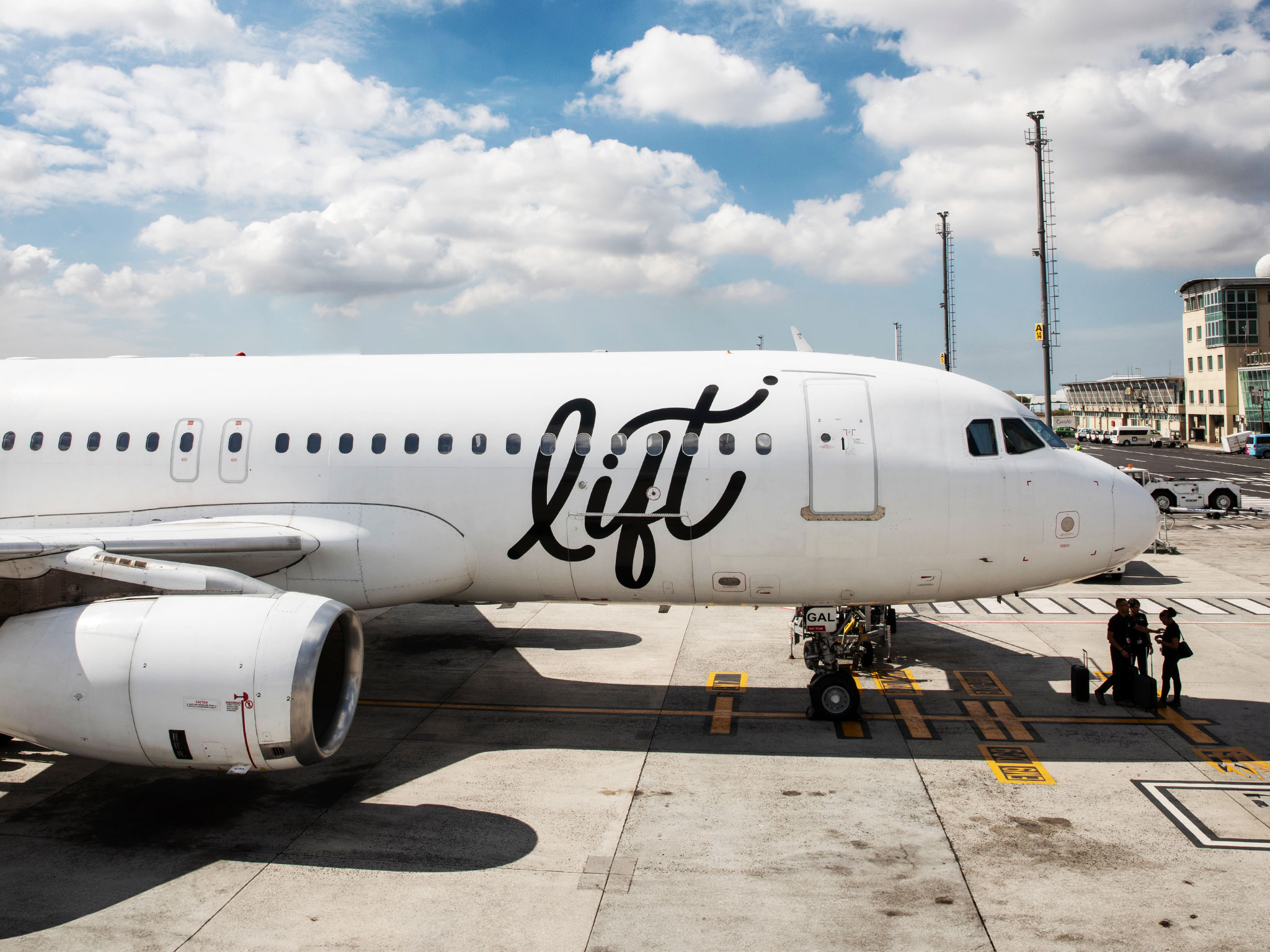
LIFT has become one of the first airlines to implement GO7’s Orchestrated Virtual Interlining solution, a model that returns pricing, settlement and customer relationship control to the airline rather than a third-party marketplace, with the South African carrier calling on more African airlines to adopt the approach.
AIRLINE-CONTROLLED VIRTUAL INTERLINING GOES LIVE WITHIN WEEKS
GO7, a growth platform for airlines, has named South African low-cost carrier LIFT among the first airlines to implement its Orchestrated Virtual Interlining (OVI) solution, with the integration set to go live within weeks of the announcement. The partnership represents a test case for a new approach to virtual interlining that addresses a structural limitation of the model as it has traditionally operated: the ceding of pricing authority, settlement and the customer relationship to third-party booking marketplaces.
Cilliers Jordaan, Chief Commercial Officer at LIFT, said true virtual interlining would open significant distribution opportunities for the African aviation market, allowing the airline to sell connected journeys that would grow direct bookings, offer new markets to customers and create opportunities for existing and future partners. He said LIFT was deepening its partnership with GO7 for this reason, and called for more African carriers to embrace what he described as a new era of airline-managed connectivity.
WHAT ORCHESTRATED VIRTUAL INTERLINING DOES DIFFERENTLY
Virtual interlining has historically been dominated by third-party marketplace platforms, which aggregate itineraries across airlines but retain control over pricing, ancillary products and disruption handling, leaving individual airlines with limited visibility into how their inventory is being sold or at what margin. GO7’s Orchestrated Virtual Interlining model inverts this arrangement: the airline retains rules-based control over each virtual connection and acts as the merchant of record for the full transaction. Partners sell each other’s networks directly, with ancillaries available on every segment and disruption handling managed end-to-end.
Adam Weiss, CEO of GO7, said carriers with low-cost business models such as LIFT wanted the reach and flexibility of virtual interlining but did not want to hand pricing, settlement or the customer relationship to a third-party marketplace. He noted that because LIFT already operates on GO7’s AeroCRS passenger services system, the carrier will be able to sell beyond its physical network from within its own commercial setup, supported by GO7’s airline code and settlement infrastructure.
TECHNICAL CAPABILITIES AND AFRICAN RELEVANCE
OVI was originally developed for Value Alliance and incorporates several capabilities not typically available in conventional virtual interline products. These include a patent-protected baggage transfer solution, a disruption guarantee with parametric cash payouts, optional settlement via the IATA Clearing House or Split Payment, and the ability to align ancillary products across participating carriers. Peer Winter, Chief Distribution Officer at GO7, said OVI showed what airline-controlled connectivity truly looked like: partners selling each other’s networks with full ancillaries on every segment, with end-to-end disruption handling and through-checked bags.
LIFT’s adoption of OVI carries wider significance for the African aviation market, where many carriers rely on traditional interline and codeshare agreements to sell beyond their own networks and optimise capacity utilisation. Those arrangements are often slower to establish and more commercially rigid than virtual interlining. Jordaan said OVI would ensure improved time to market at lower cost — an important operational advantage for a continent where bilateral traffic rights, thin routes and limited interlining infrastructure have historically constrained the development of intra-African connectivity.
Source and Images: GO7 / Belvera Partners