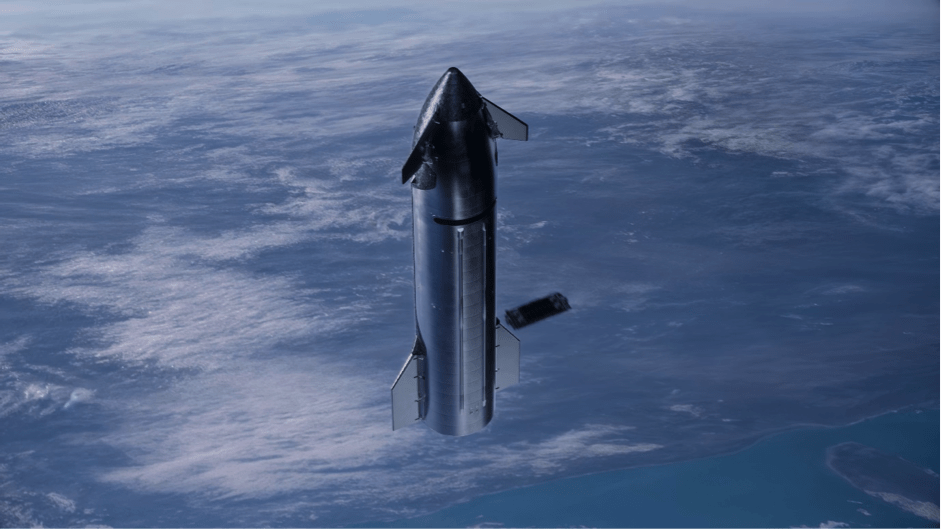
Integration aims to combine AI, launch capability and satellite communications within a single vertically integrated technology structure.
SpaceX has announced the acquisition of xAI, bringing artificial intelligence development together with launch systems, satellite communications, space-based internet infrastructure and direct-to-mobile connectivity technologies under a single organisational structure.
According to the announcement, the integration is intended to support long-term technology development spanning artificial intelligence, orbital infrastructure and space-based communications platforms. The move is positioned as part of a broader strategy to expand technological capability both on Earth and in space.
The announcement highlights increasing global electricity demand linked to AI development, noting that current AI systems rely heavily on terrestrial data centres that require significant energy supply and cooling infrastructure. The statement suggests that, over the long term, space-based computing infrastructure could provide an alternative pathway to scaling AI processing capacity.
Space-based solar energy availability is cited as a potential advantage for orbital data centre development, with satellites able to access near-constant solar power. The concept involves deploying large constellations of satellites functioning as orbital data processing infrastructure.
The development of large-scale satellite constellations is linked to launch capability. Historically, annual payload mass delivered to orbit has remained relatively limited. In 2025, approximately 3,000 tonnes of payload was launched globally, with a significant portion consisting of communications satellites.
SpaceX notes that satellite deployment requirements previously drove improvements in Falcon launch cadence and capability to support the deployment of broadband satellite constellations. Future plans include the introduction of higher-capacity satellite systems and expanded direct-to-mobile communications capability.
The company states that the Starship launch system is expected to play a central role in supporting higher mass delivery to orbit. The vehicle is intended to enable significantly increased payload delivery rates, supporting large-scale satellite constellation deployment and potential future space infrastructure development.
The announcement outlines projections suggesting that large-scale satellite deployment could support significant increases in global AI compute capacity if orbital data processing infrastructure is deployed at scale. It also states that future space-based manufacturing and deployment concepts, including lunar resource utilisation and in-space logistics, could support further expansion of satellite infrastructure beyond Earth orbit.
SpaceX also indicates that sustainability considerations would remain part of satellite constellation design, including end-of-life disposal strategies aligned with current operational practices used in existing satellite systems.
In addition to Earth orbit infrastructure, the company notes that heavy-lift capability and in-space refuelling developments could support future cargo delivery to the Moon and potentially enable long-term scientific, industrial and manufacturing activity beyond Earth.
The announcement frames the integration of xAI and SpaceX technologies as part of a long-term vision focused on expanding computing capability, supporting space infrastructure development and enabling future multi-planetary operations.
SOURCE AND IMAGE: spaceX