
The dream of flying cars, once confined to the pages of science fiction and the wistful imaginations of visionaries, is closer than ever to becoming reality. JoeBen Bevirt, CEO of Joby Aviation, has turned a childhood dream into a cutting-edge venture that promises to change urban travel.
As electric vertical take-off and landing vehicles (eVTOLs) undergo rigorous testing, the aviation industry is preparing for a new era where air taxis redefine commuting. These aircraft, designed to lift off like helicopters and cruise at speeds of up to 200 mph (322 km/h), offer a quiet, efficient alternative to traditional helicopters and small planes.
“We are just a few steps from the finish line,” Bevirt told reporters during a recent demonstration in Marina, California. “We want to transform one- and two-hour trips into five-minute journeys.”
Silicon Valley Leads the Charge
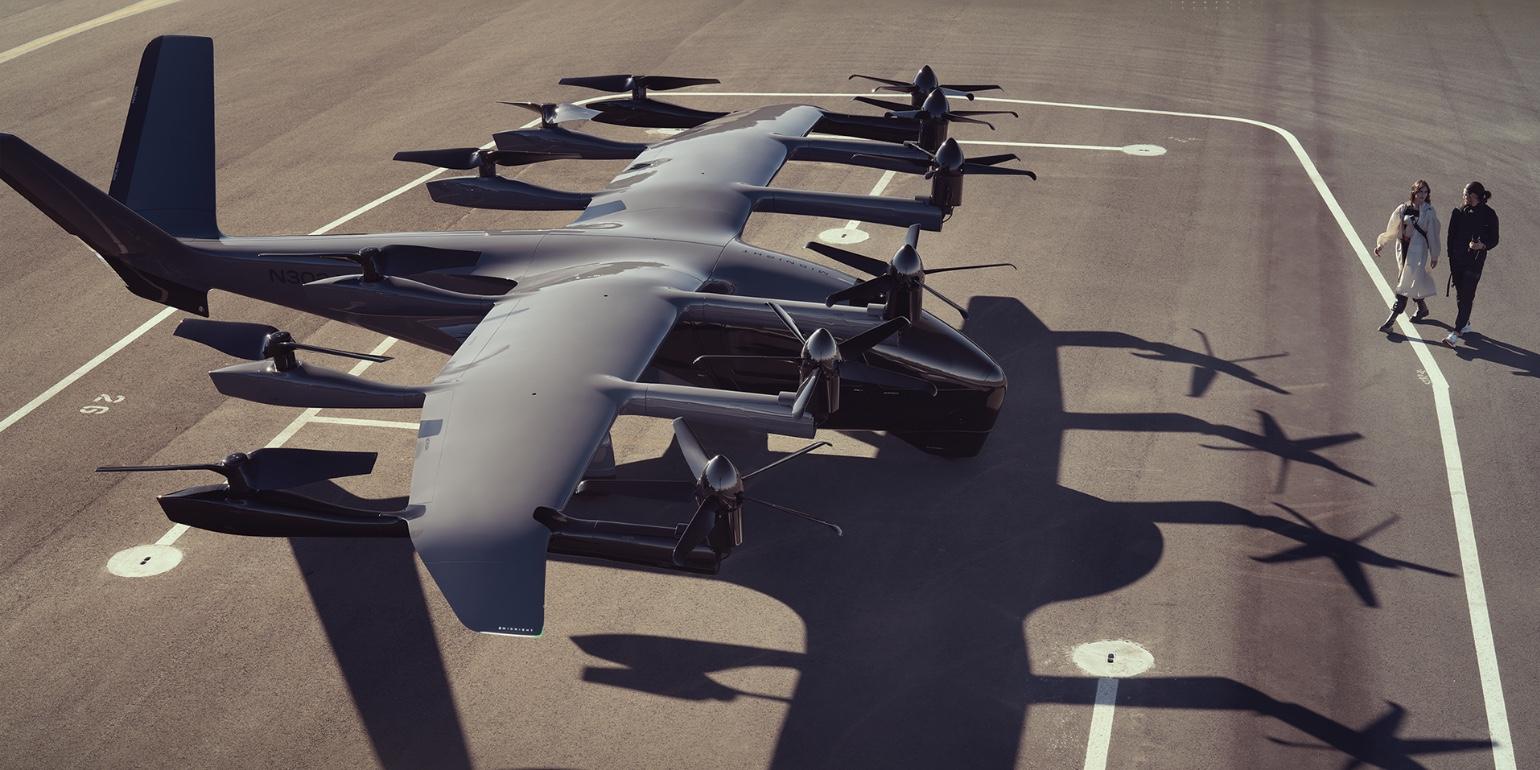
Joby Aviation is one of several companies leading this charge. Archer Aviation, backed by United Airlines and automotive giant Stellantis, has been testing its prototype, “Midnight,” over the agricultural landscapes of Salinas, California. Meanwhile, Wisk Aero, a startup with backing from Boeing and Google co-founder Larry Page, is pushing its own boundaries in the air taxi market.
Major partnerships with established players in the aviation industry are bolstering these efforts. Joby’s collaboration with Delta Air Lines aims to integrate air taxis into passenger services, while Archer has secured an agreement to sell up to 200 aircraft to United Airlines.
These alliances are pivotal as companies work to overcome regulatory hurdles. The U.S. Federal Aviation Administration recently created a new “powered lift” category for eVTOLs, marking the first such classification since the introduction of civilian helicopters in the 1940s.
A Global Race
While regulatory approval in the United States remains a challenge, Dubai is poised to lead the way, with commercial eVTOL services expected to launch there by the end of 2025. In the U.S., early adoption is likely to focus on routes like airport transfers in cities such as New York and Los Angeles.
In New York, for instance, Joby envisions transporting passengers from airports to Manhattan in under 10 minutes—a fraction of the time required by road. While initial pricing is expected to exceed that of traditional taxis or ride-sharing services, the cost is projected to decrease as operations scale up.
China is also emerging as a key contender, intensifying the global competition. Analysts like Adam Lim of Alton Aviation Consultancy caution that the road ahead will be incremental. “It’s a crawl, walk, run situation,” Lim said. “We are still crawling.”
A Sky-High Vision
Despite the challenges, the vision of “highways in the sky” is driving investment and innovation. Archer Aviation CEO Adam Goldstein predicts a future where “hundreds, maybe thousands” of eVTOLs operate seamlessly in urban airspaces.
For now, the aviation world watches as this ambitious industry edges closer to liftoff. Whether it’s Joby, Archer, or another trailblazer, the arrival of air taxis signals an exciting evolution in how we think about travel.
Flying taxis may not yet fill our skies, but with each test flight, the dream inches closer to reality.
IMAGE: Archer Aviation Plans to receive FAA certification for its Midnight eVTOL by late 2024. [Courtesy: Archer Aviation]