
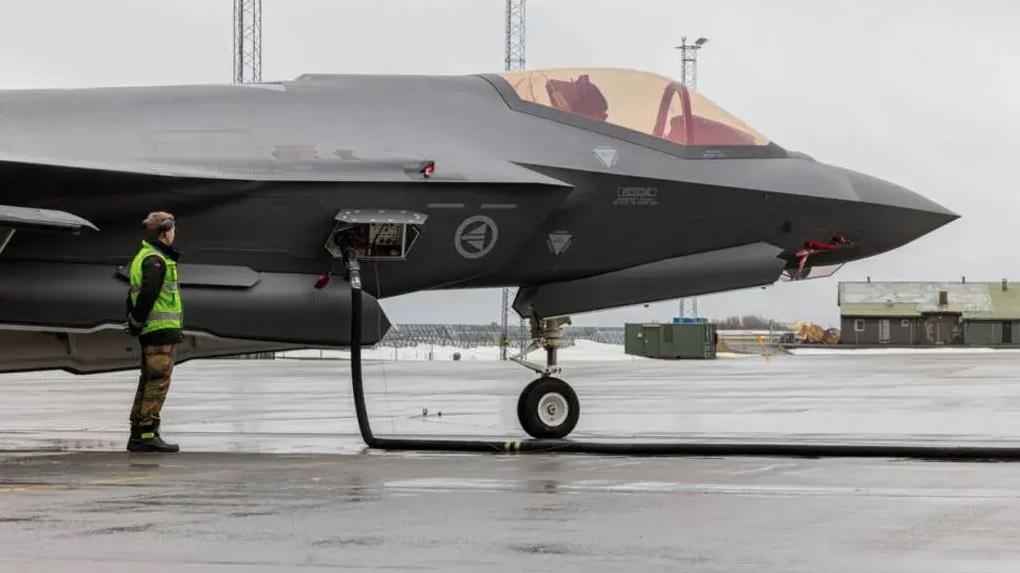
Additional fuel sources enhance mission readiness for the world’s most advanced fighter aircraft.
FORT WORTH, Texas – Lockheed Martin [NYSE: LMT] has announced the approval of synthetic aviation turbine fuels (SATF) for use in the F-35 Lightning II fleet. This move, which aims to improve readiness by reducing reliance on traditional supply chains, marks a significant step forward for the world’s most advanced fighter aircraft.
“Lockheed Martin is committed to ensuring the F-35 is always ready for any customer mission,” said Chauncey McIntosh, vice president and general manager of the F-35 programme at Lockheed Martin. “Adding new fuel sources helps make this happen by diversifying the supply chain while maintaining operational excellence. As the cornerstone of the joint fleet, the F-35 will continue to lead the U.S. and allied air dominance mission for decades to come.”
What This Means
The approval allows F-35s to operate with synthetic blends at current limits of up to 50 percent, depending on the type of raw materials and production pathways, in combination with conventional jet fuel. Lockheed Martin conducted comprehensive technical and strategic analyses to ensure SATF meets the rigorous performance and reliability standards required for the F-35’s complex and high-demand missions.
The integration of SATF aligns with the U.S. Department of Defence’s objectives for energy diversification and substitution, enhancing energy resilience and operational flexibility.
What Are SATFs?
SATFs are derived from a wide range of raw materials, including fossil-based sources such as coal and natural gas, as well as renewable or sustainable sources like waste oils, agricultural residues, and other non-fossil-based materials. This adaptability allows for greater flexibility in sourcing, supporting global sustainability goals and energy security.
The F-35: A Cornerstone of Air Dominance
With more than 1,100 F-35s currently operational worldwide, the fleet has surpassed 971,700 flight hours. The aircraft operates from 33 bases across the globe, with 10 nations using the F-35 on home soil. As adversaries advance and legacy aircraft age, the F-35 remains critical to maintaining air dominance for decades to come.
The approval of SATF not only reinforces the F-35’s readiness but also demonstrates Lockheed Martin’s commitment to innovation, sustainability, and operational excellence. By diversifying fuel sources, the F-35 programme ensures greater resilience for the fleet while maintaining its superior performance capabilities.
SOURCE AND IMAGE: LOCKHEED MARTIN