
The global aircraft fuel cells market is projected to grow from an estimated USD 1.6 billion in 2023 to USD 5.7 billion by 2035, achieving a robust compound annual growth rate (CAGR) of 10.8%, according to a new market report. This remarkable expansion is fuelled by the aviation industry’s focus on sustainable practices, the rising costs of conventional fuels, and ongoing innovations in fuel cell technology.
Hydrogen Fuel Cells Take Centre Stage
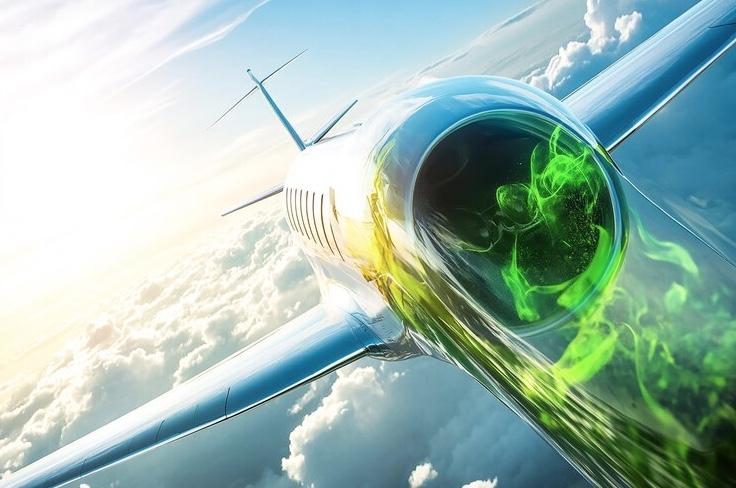
Hydrogen fuel cells are poised to dominate the market, driven by their alignment with the aviation sector’s sustainability goals. These fuel cells generate electricity through the reaction of hydrogen with oxygen, producing only water vapour as a byproduct. This zero-emission feature meets the industry’s stringent environmental regulations and reinforces hydrogen’s appeal as a clean energy source.
Recent advancements in hydrogen infrastructure and storage technologies have made hydrogen fuel cells increasingly viable for aircraft propulsion, securing their position as the largest segment in the market during the forecast period.
Versatility of 0-100kW Fuel Cells
The 0-100kW power output segment also leads the market, catering to a wide range of aircraft platforms, including small fixed-wing aircraft, drones, and auxiliary power units (APUs). This segment’s compact size, lightweight design, and ability to deliver sufficient power for essential operations make it the preferred choice for diverse aviation applications.
Unmanned Aerial Vehicles Driving Adoption
The rapid adoption of unmanned aerial vehicles (UAVs) across commercial and military sectors is another major factor propelling the fuel cell market. UAVs equipped with fuel cells benefit from extended flight times, quick refuelling capabilities, and reduced environmental impact. Their application in aerial photography, surveillance, delivery services, and environmental monitoring has driven significant growth, making UAVs the largest segment within the industry.
Asia-Pacific: A Hub for Growth
Asia-Pacific is expected to achieve the highest growth rate in the aircraft fuel cells market through 2035. The region’s surging demand for commercial aircraft, coupled with its focus on reducing carbon emissions, has spurred investments in fuel cell technology and infrastructure. Governments and industry stakeholders are collaborating to advance clean energy initiatives, positioning Asia-Pacific as a key player in sustainable aviation.
Market Leaders in Innovation
Key companies shaping the aircraft fuel cells market include:
- ZeroAvia Inc. (US)
- Intelligent Energy Limited (UK)
- Piasecki Aircraft Corporation (US)
- Doosan Mobility Innovation (South Korea)
- H3 Dynamics (Singapore)
These innovators are driving the development of cleaner, more efficient fuel cell technologies, further cementing their role in the aviation industry’s transformation.
As the global aviation sector embraces sustainable technologies, the aircraft fuel cells market is poised to play a pivotal role in shaping the future of cleaner, greener skies.
SOURCE: MARKET AND MARKETS