

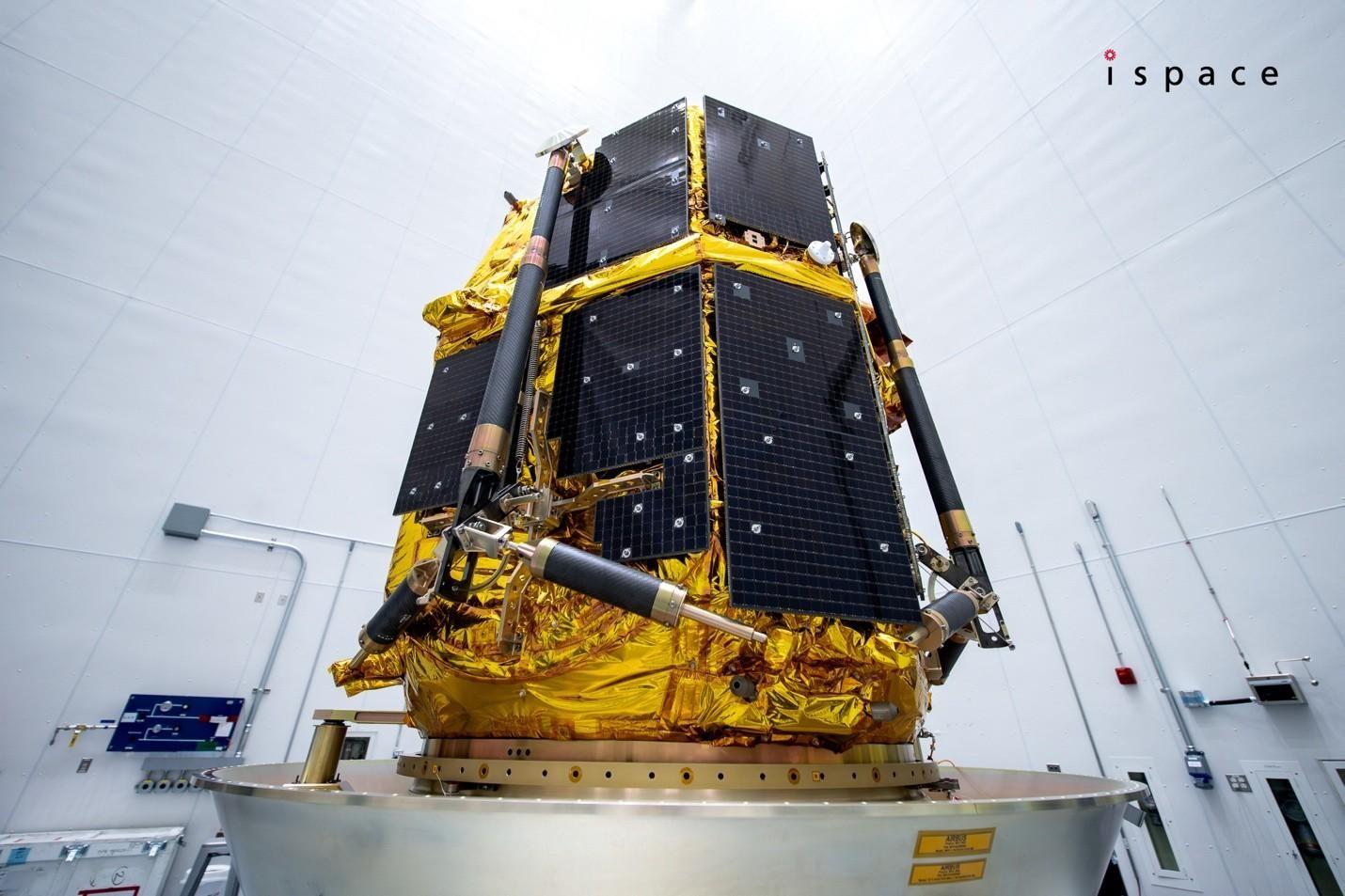
Tokyo, May 2025 — The global race to the Moon continues as Japan’s iSpace prepares to attempt its second lunar landing, targeting June 6 for touchdown near the Moon’s far northern region, Mare Frigoris. The mission, part of Hakuto-R Mission 2, will mark the third robotic lunar landing attempt this year, further advancing commercial and scientific presence on the lunar surface.
The 750-lb. Resilience lander, launched in January aboard a SpaceX Falcon 9, carries with it Tenacious, an 11-lb. micro-rover designed for additional surface exploration. The mission follows a circuitous, fuel-efficient route, with the spacecraft entering lunar orbit on May 6 after a flyby in mid-February.
The planned landing site in Mare Frigoris offers a relatively unexplored terrain, distinct from recent attempts at the lunar south pole. If successful, iSpace will join a short list of private entities that have landed hardware on the Moon.
Hakuto-R Mission 2 builds on the lessons of iSpace’s first attempt in April 2023. During Hakuto-R Mission 1, communications with the lander were lost in the final seconds of descent. Engineers later determined a software error caused the craft to hover three miles above the surface until it exhausted its fuel and crashed.
iSpace’s renewed effort comes amid a resurgence in private sector lunar activity. Earlier this year, Texas-based Firefly Aerospace successfully deployed its Blue Ghost lander, which operated on the Moon from February 29 until March 16. Meanwhile, Intuitive Machines’ Nova-C Athena lander touched down near the Moon’s south pole on March 6 — albeit off target and ultimately on its side. The mission ended the following day due to power loss.
A preliminary report issued by Intuitive Machines on May 12 cited a trio of issues: laser altimeter interference during final descent, poor lighting and shadowing conditions in the rugged southern polar terrain, and limitations in optical navigation due to imaging constraints below 62 miles of altitude.
Looking ahead, Intuitive Machines plans to launch its third mission, IM-3, before July 2026. That mission is slated to target Reiner Gamma, a mysterious lunar swirl on the Moon’s near side. IM-3 will deploy a fleet of small autonomous rovers to demonstrate robotic navigation in complex terrain.
To address the challenges encountered on earlier missions, IM-3 will include a broader range of altimeters, enhanced light sensors to measure velocity, and a significantly expanded crater database to aid landing precision under diverse lighting conditions.
As governments and private companies push toward a sustained lunar presence, each mission — success or setback — is helping pave the way for a new era of robotic and eventually crewed exploration on the Moon.
SOURCE AND IMAGE: iSPACE. Touchdown of iSpace’s Resilience lander on the surface of the Moon is targeted for June 6.