

Lithium-ion batteries are an increasing safety focus in aviation, with global regulators updating passenger carriage requirements due to potential risks including smoke, fire and heat generation. From 1 January 2026, updated guidance from the International Air Transport Association (IATA), issued through its Battery Guidance Document as part of the Dangerous Goods Regulations, has clarified how passengers must travel with products containing these batteries.
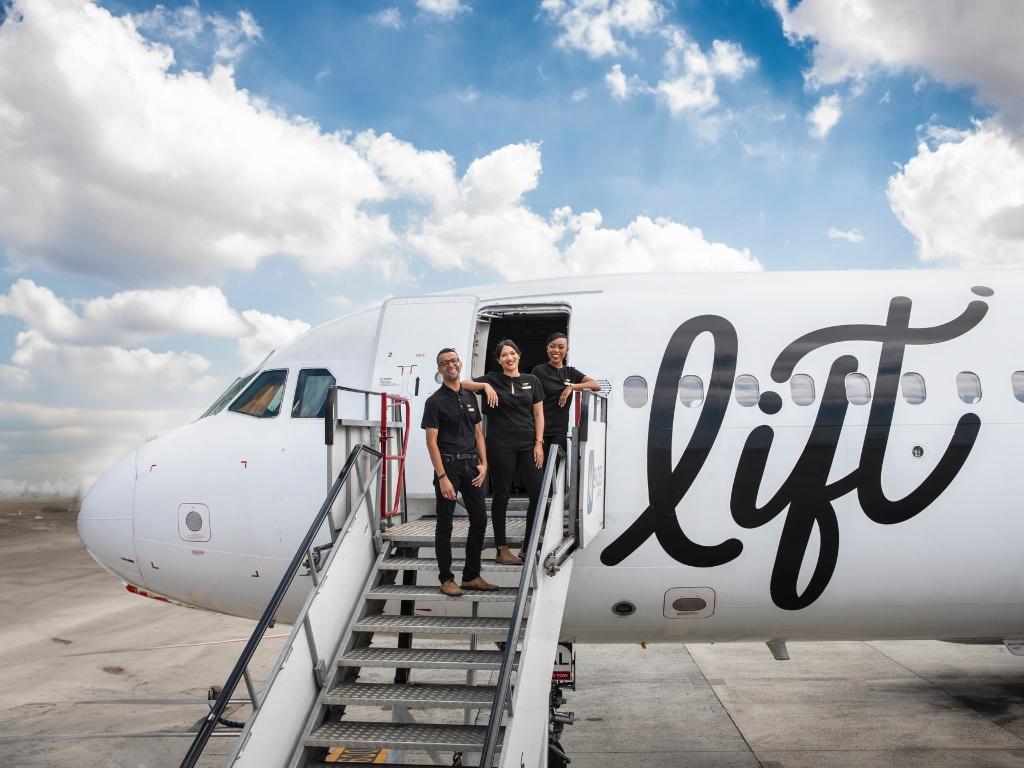
LIFT, a recent IATA member, is reinforcing the revised process for passengers travelling with lithium-ion battery-powered devices. The airline emphasises that such items must be carried in the cabin and are not permitted in checked baggage. In addition, these devices may not be used during taxi, take-off or landing, and must be stored either on the passenger’s person or in the seat pocket to allow monitoring during flight, rather than in overhead bins.
Passenger understanding critical to avoiding delays
According to Theuns Dreyer, Head: Airports and Ground Operations at LIFT, procedural changes have created some confusion at check-in and boarding gates. This has the potential to result in delays where passengers are required to repack baggage or where additional security screening is required if power banks or similar items are detected in checked luggage.
The airline is encouraging passengers to familiarise themselves with the requirements before arriving at the airport to minimise disruption and avoid operational delays that can affect all passengers on a flight.
Common devices containing lithium-ion batteries
Passengers are increasingly travelling with multiple battery-powered devices. IATA passenger survey data indicates that 83% of passengers carry a mobile phone, 60% travel with a laptop and 44% carry a power bank.
While power banks are widely recognised as containing lithium-ion batteries, LIFT notes that batteries are also commonly found in mobile phones, cameras, electric toothbrushes, some vape devices, e-cigarettes, e-readers and smart watches.
Managing battery-powered items during travel
Passengers are advised to place lithium-ion battery devices in carry-on luggage and only travel with essential devices to reduce cabin baggage volume. Batteries exceeding 100 watt-hours may not be permitted, depending on airline policy, and passengers should confirm requirements with their airline before travelling.
On LIFT flights, lithium-ion battery devices such as power banks may be used during cruise, but not during taxi, take-off or landing. Devices must be stored safely and protected from damage. Passengers are also advised to monitor devices during flight and immediately notify cabin crew if there are signs of smoke, heat or damage.
Operational impact and passenger communication
LIFT is increasing passenger communication on lithium-ion battery requirements through check-in signage and pre-flight messaging. The airline notes that non-compliant items found in checked baggage can result in boarding delays, baggage offloading or delayed baggage delivery at destination.
Passengers are encouraged to consult IATA’s ‘Travel safe with Lithium Batteries’ guidance or contact their airline directly for specific requirements.
SOURCE AND IMAGE: LIFT