
The Airline Pilot Standards Multi-Crew Cooperation (APS MCC) course is increasingly being specified by European airlines as part of First Officer recruitment requirements, reflecting a shift in pilot training expectations across the region.
GROWING ROLE OF APS MCC IN RECRUITMENT
APS MCC was introduced by the European Union Aviation Safety Agency (EASA) in 2017 and gained broader visibility from 2018. Adoption accelerated between 2021 and 2024, with airlines including Wizz Air, Ryanair and easyJet specifying APS MCC as a preferred or required qualification for pilot candidates.
According to BAA Training, this shift reflects a focus on recruiting pilots with prior exposure to airline-style operational environments. The organisation notes that APS MCC training is designed to improve readiness for Type Rating programmes and reduce adaptation time during airline induction.
Integration of MCC and JOC training
APS MCC combines elements of traditional Multi-Crew Cooperation (MCC) and Jet Orientation Course (JOC) training into a single integrated programme. The training places emphasis on airline-standard operating procedures (SOPs), competency-based training frameworks and line-oriented scenarios.
BAA Training states that this approach aligns with modern methodologies such as Competency-Based Training and Assessment (CBTA) and Evidence-Based Training (EBT), which are increasingly adopted by airlines.
LOW-COST CARRIERS DRIVING ADOPTION
Low-cost carriers (LCCs) have been among the earliest adopters of APS MCC. According to BAA Training, operational requirements such as standardisation, training efficiency and cost control have influenced this trend.
The company states that LCCs typically operate under high training throughput requirements and seek to reduce risks associated with Type Rating programmes. In contrast, legacy carriers have historically relied on internal cadet programmes but are also beginning to integrate APS MCC into their training pathways.
INFRASTRUCTURE AND TRAINING CAPACITY CONSIDERATIONS
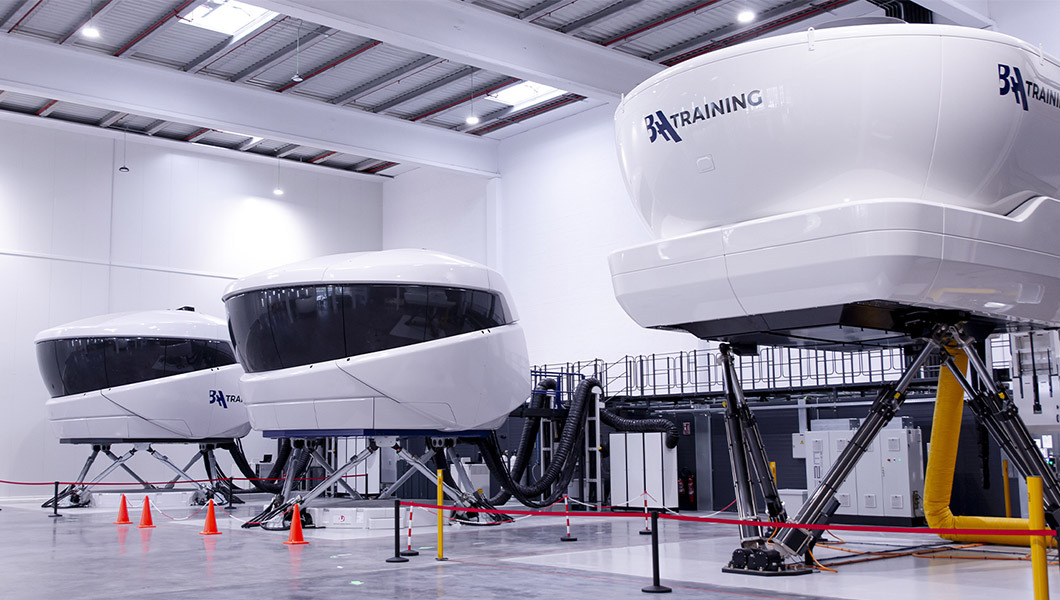
The implementation of APS MCC requires access to FNPT II or higher-level simulators capable of replicating airline operational environments. BAA Training notes that simulator availability and instructor experience are key factors influencing adoption rates.
Instructor standardisation is also identified as a requirement to maintain training quality, particularly as APS MCC programmes emphasise operational realism and airline procedures.
SHIFT IN PILOT PREPARATION APPROACH
The increasing adoption of APS MCC reflects a broader adjustment in pilot training, with greater emphasis on operational preparedness prior to airline entry. According to BAA Training, this includes exposure to decision-making processes and workflow structures consistent with airline operations.
The organisation states that the trend is likely to continue as airlines seek greater standardisation in recruitment and training processes.
SOURCE AND IMAGE: BAA TRAINING