Dubai International Airport resumes full operations following UAE airspace restoration, with rapid recovery expected despite Q1 traffic decline.
DXB returns to full operational capacity as regional network rebuild begins
Dubai Airports has entered a rapid recovery phase following the full restoration of UAE airspace on 2 May 2026, with Dubai International Airport (DXB) returning to full operational capacity.
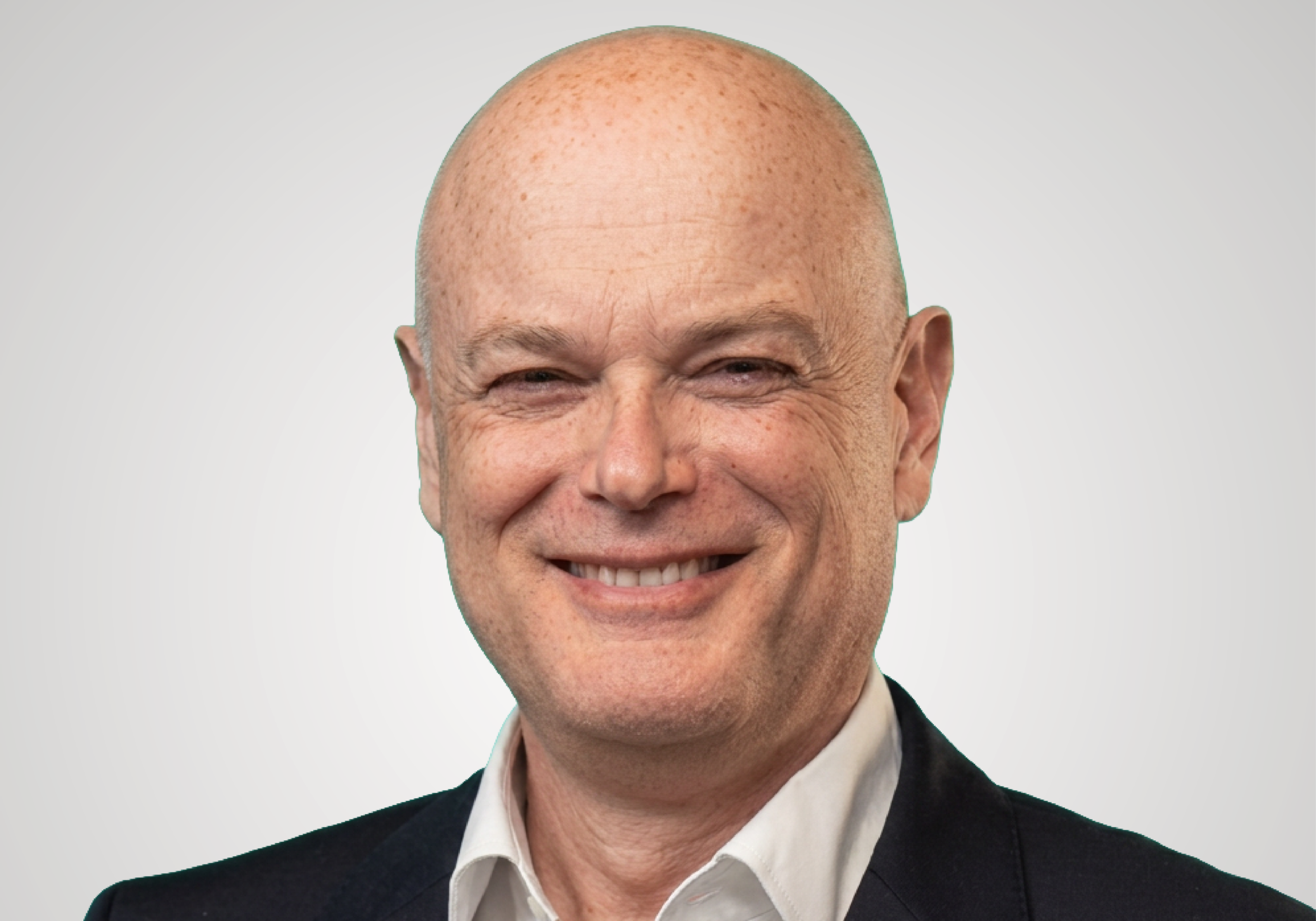
Chief Executive Officer Paul Griffiths confirmed that the airport is scaling up operations to meet renewed demand after a period of regional disruption.
FULL CAPACITY RESTORED
As of 3 May, DXB is handling approximately 1,396 daily aircraft movements, reflecting a return to full operational capability.
The reopening of regional airspace allows airlines to resume more direct routings, reducing both flight times and fuel burn that had increased during the restriction period.
While internal airport infrastructure is fully operational, the pace of recovery remains dependent on the restoration of transit corridors across neighbouring airspace and the ability of international carriers to normalise insurance and operational protocols.
TRAFFIC IMPACT DURING RESTRICTIONS
The disruption had a measurable impact on passenger traffic during the first quarter of 2026.
DXB handled 18.6 million passengers in Q1, representing a 20.6% decline compared with the same period in 2025.
The impact was most pronounced in March, when passenger volumes fell by 65.7% to 2.5 million.
NETWORK RECOVERY UNDERWAY
Emirates has moved to stabilise operations, restoring 96% of its global network across 137 destinations.
This rapid reinstatement of capacity is expected to support broader recovery across the hub-and-spoke network that underpins Dubai’s position as a major global transit point.
OUTLOOK AND LONG-TERM CAPACITY
Dubai Airports expects a strong rebound in passenger demand, with projections indicating significant recovery momentum by the third quarter of 2026.
Although the disruption is likely to delay the airport’s target of reaching 100 million annual passengers, this milestone is now expected to shift to 2027.
Long-term development plans remain unchanged, including the expansion of Al Maktoum International Airport (DWC), which is intended to support capacity of up to 260 million passengers annually.
MARKET SIGNAL
The recovery at DXB highlights the sensitivity of global hub operations to regional airspace constraints, as well as the speed at which demand can return once operational barriers are removed.
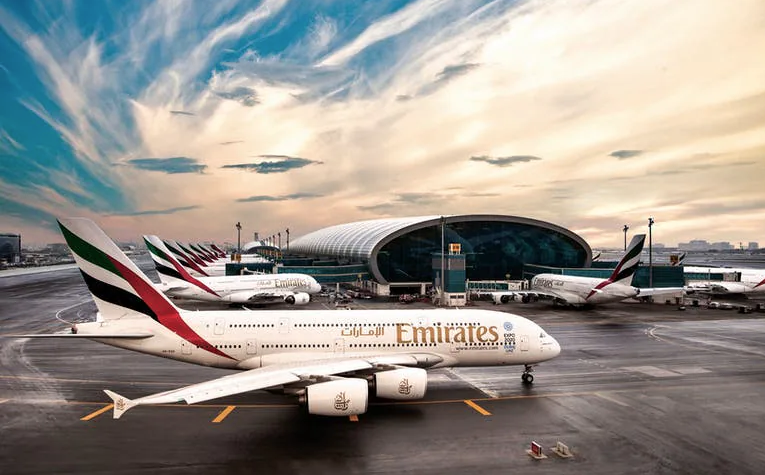
SOURCE IMAGE: DUBAI AIRPORT