
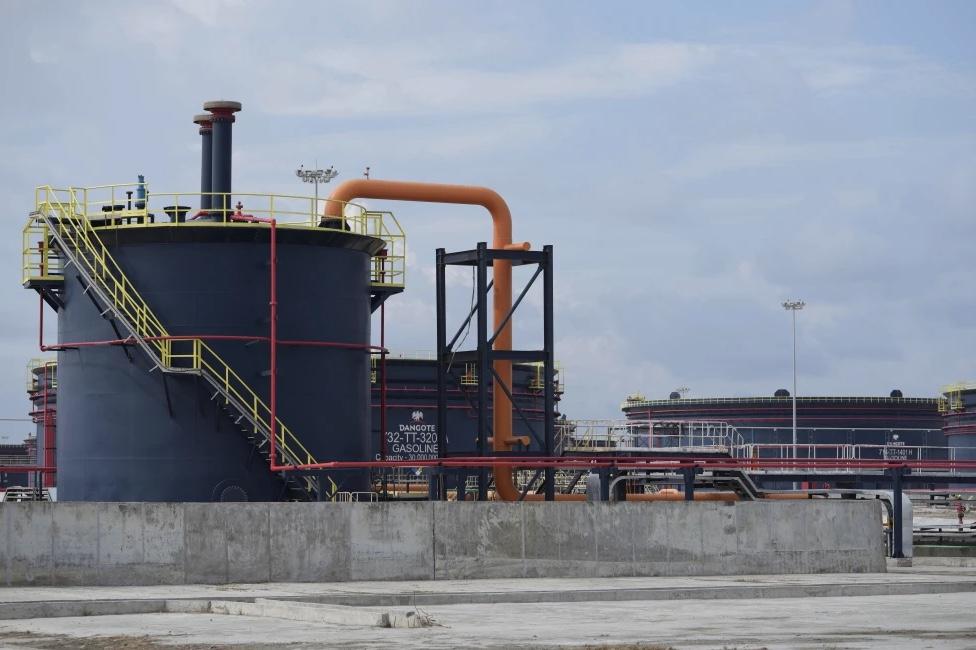
The largest diesel and aviation fuel refinery in Africa, spearheaded by the continent’s wealthiest individual, has recently commenced production, marking a momentous occasion for Nigeria. The Dangote refinery, with a daily capacity of 650,000 barrels, has the potential to revolutionise Nigeria’s energy landscape by reducing its dependence on fuel imports.
Owned by Nigerian billionaire Aliko Dangote, the megaproject, situated on an expansive 2,635-hectare (6,500-acre) parcel of land at the Lekki Free Zone on the outskirts of Lagos city, incurred an estimated cost of $19 billion, as reported by local media. The facility has officially entered the production phase, focusing on diesel and aviation fuel, heralding what the company hails as a “big day for Nigeria.”
Anticipated to address Nigeria’s historical reliance on imported fuel, the Dangote refinery could potentially alleviate the financial strain caused by the country’s significant fuel imports and subsidies. Nigeria, despite being one of Africa’s leading oil producers and boasting the continent’s largest economy, has grappled with a dearth of domestic refining capacity.
The refinery, a project initially slated for a 2021 debut, faced delays but was officially inaugurated earlier this year by then-president Muhammadu Buhari. Although the hope was to have products on the market by this month, it remains unclear when the refinery will achieve full production capacity or commence the refining of petrol.
Nigeria’s dependency on importing fuel has resulted in substantial financial drains, as the country exchanges crude oil worth billions of dollars for subsidized petrol, exacerbating foreign exchange challenges during periods of dwindling oil revenues and currency shortages. President Bola Ahmed Tinubu, who assumed office in May the previous year, has taken steps to address these challenges. Notably, he terminated the longstanding fuel subsidy and implemented economic reforms, including the floatation of the naira currency. These reforms are aimed at attracting foreign investment and fostering long-term economic growth for Nigeria.