
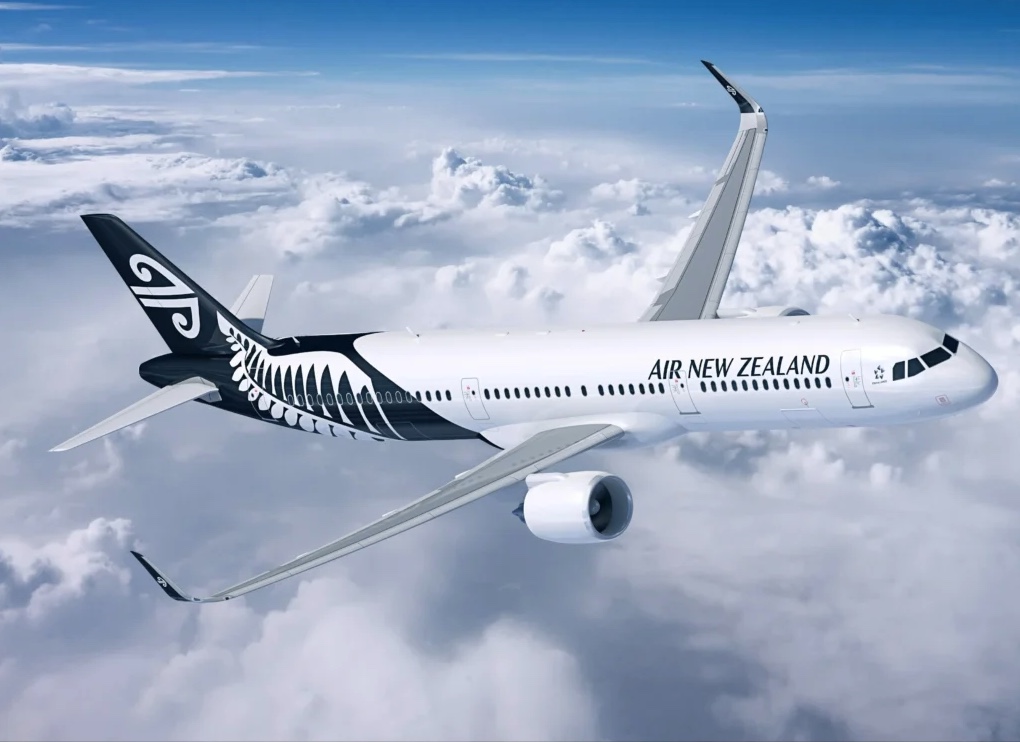
Air New Zealand reported a NZ$59 million first-half loss for FY2026, citing engine maintenance delays, slower domestic demand recovery and rising aviation system costs, while providing updated full-year guidance.
Air New Zealand has reported a loss before taxation of NZ$59 million for the first half of the 2026 financial year, compared with earnings before taxation of NZ$144 million in the prior corresponding period.
The airline recorded a net loss after taxation of NZ$40 million and EBITDA of NZ$347 million for the six months ended 27 February 2026.
Financial Performance And Cost Pressures
The result reflects the combined impact of ongoing fleet constraints, slower-than-expected recovery in domestic demand and rising operating costs, including persistent aviation system inflation and a weaker New Zealand dollar.
Passenger revenue increased four percent to NZ$3 billion, supported by additional capacity across the Tasman and Pacific Islands and a higher mix of premium seating on long-haul international routes. Overall network capacity was broadly flat, with up to eight aircraft grounded at times due to global engine maintenance delays.
Fuel costs rose four percent to NZ$774 million. Although Singapore jet fuel averaged approximately US$88 per barrel compared with US$91 per barrel in the prior period, the lower price was offset by currency movements, higher CORSIA obligations and the operation of less fuel-efficient aircraft due to engine constraints.
Non-fuel operating cost inflation of around NZ$75 million was driven primarily by higher mandated domestic passenger levies, engineering and maintenance costs and airport landing charges.
The result was slightly outside the previously issued guidance range of a NZ$30 to NZ$55 million loss, reflecting a NZ$13 million headwind from higher-than-assumed fuel prices in the second quarter.
While the airline received NZ$55 million in compensation from engine manufacturers during the first half, it estimates that an additional NZ$90 million of earnings could have been included had the fleet operated as intended. Negotiations with engine manufacturers regarding compensation and return schedules are ongoing.
Strategic Review Underway
Chair Dame Therese Walsh confirmed that the Board requested a full strategy review following the appointment of Chief Executive Officer Nikhil Ravishankar in October, citing continued volatility, global engine maintenance impacts and slower domestic demand recovery.
Chief Executive Officer Nikhil Ravishankar stated that a comprehensive review of all aspects of the business is underway, aimed at restoring sustained profitability through improved operational performance, growth and further cost transformation initiatives.
The airline is continuing its Kia Mau transformation programme, delivering approximately NZ$45 million in incremental benefits during the half and NZ$145 million in cumulative benefits since inception. These gains have not fully offset broader cost escalation across the aviation system and supply chain.
Performance and product initiatives include improvements in domestic punctuality and reliability, and the decision to upgrade the interiors of the existing Boeing 777 fleet to modernise the widebody product offering.
Fleet Outlook And Capacity Growth
Air New Zealand expects four grounded Airbus neo and Boeing 787 aircraft to return to service during the 2026 calendar year. The airline will also take delivery of the first two of ten new GE-powered Boeing 787 aircraft at the end of the financial year.
These additions are expected to support widebody capacity growth of approximately 20 to 25 percent over the next two years.
However, the airline cautioned that improvements in aircraft availability are unlikely to translate immediately into earnings uplift, given the operational constraints associated with scheduling and selling additional widebody capacity at short notice.
Guidance And Dividend
Based on current trading conditions and assuming an average jet fuel price of US$85 per barrel for the second half, Air New Zealand expects second-half earnings to be broadly in line with, or modestly below, the first half.
The outlook remains subject to uncertainty, including engine return schedules, the timing and quantum of compensation arrangements and volatility in key input costs and demand conditions.
In line with its Capital Management Framework, the Board has not declared an interim dividend.
The airline reiterated its advocacy for fit-for-purpose aviation sector settings that support sustainable connectivity and affordability over the long term.
SOURCE: AIR NEW ZEALAND IMAGE: © AIRBUS