
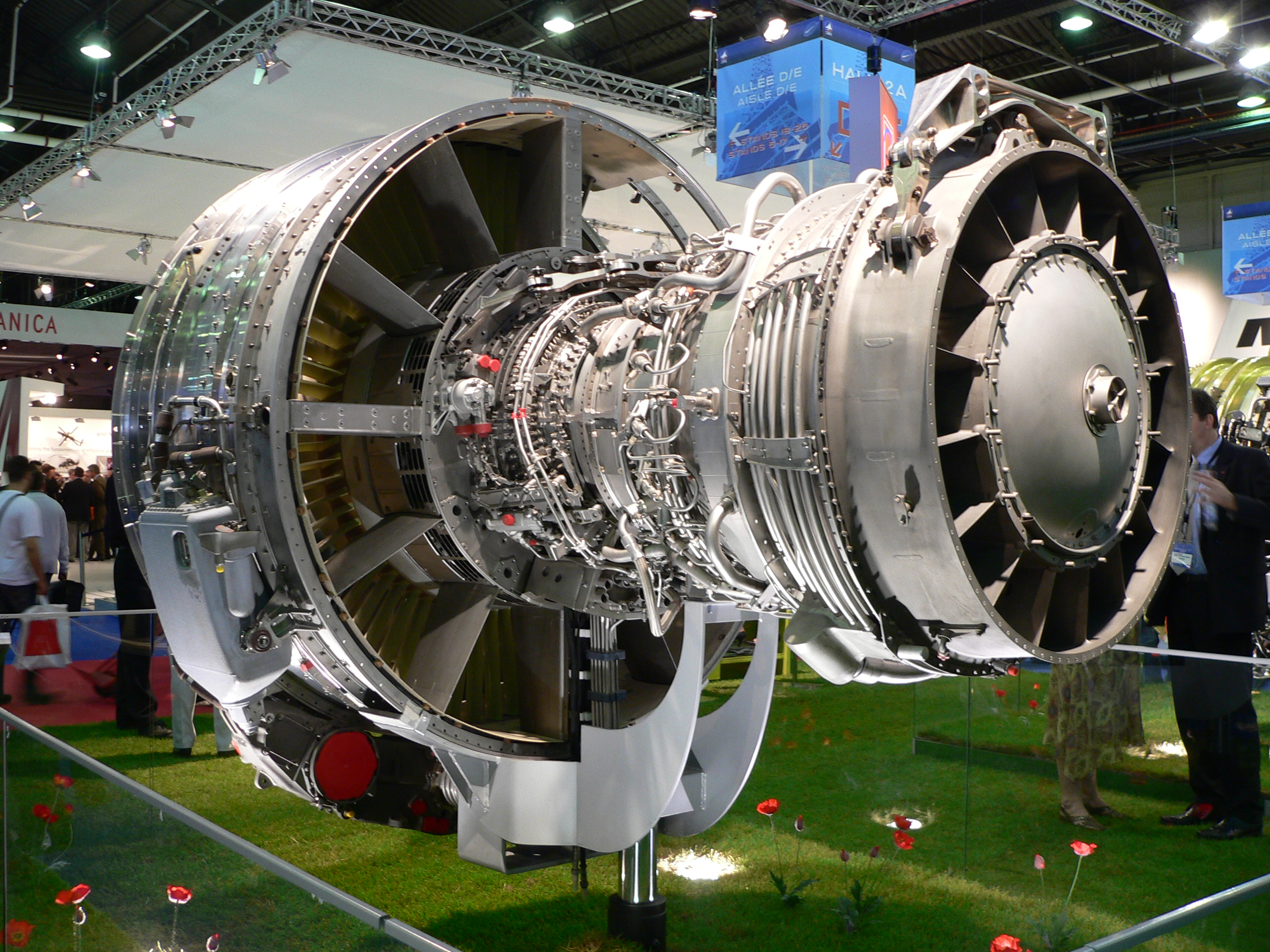
EASA has issued a Proposed Airworthiness Directive requiring ultrasonic inspection of CFM56-7B fan blades over a larger area than previously mandated, following design analysis conducted since the 2019 directive it supersedes. The engine powers Boeing 737-600, -700, -800 and -900 aircraft worldwide, and consultation on the proposal closes on 27 August.
A LARGER INSPECTION AREA TO DETECT ALL POTENTIAL CRACKS
The European Union Aviation Safety Agency has issued Proposed Airworthiness Directive 26-091, dated 30 July 2026, applicable to CFM International CFM56-7B engines. The proposal would supersede EASA Airworthiness Directive 2019-0018 of 30 January 2019 and retain its requirements, while requiring that future inspections be accomplished in accordance with a newly revised CFM International service bulletin. EASA states that since the 2019 directive was issued, further information was obtained and design analysis conducted, from which it was determined that the inspection should be accomplished over a larger area in order to detect all potential cracks, with some clarifications also added to the accomplishment instructions.
The applicability is broad. The proposal covers CFM56-7B engines across an extensive list of sub-variants at all serial numbers, engines that EASA notes are known to be installed on Boeing 737-600, 737-700, 737-800 and 737-900 aeroplanes — that is, the 737NG family. The CFM56-7B is the sole engine type for the 737NG, which means the proposal reaches operators across every region, including a substantial number of African carriers operating 737-800 fleets. The proposed effective date is to be determined, with the standard being 14 days after the directive’s issue. Consultation closes on 27 August 2026.
THE UNSAFE CONDITION AND HOW THE DIRECTIVE GOT HERE
The underlying condition originates from a reported occurrence of fan blade failure on a CFM56-7B engine. EASA records that the released fan blade was initially contained by the engine case, but that there was subsequent uncontained forward release of debris and separation of the inlet cowl. Preliminary investigation determined that the event resulted from a fracture in the blade which had initiated from the fan blade dovetail — the root section by which the blade is retained in the fan disc, and a location subject to high cyclic stress. EASA states that the condition, if not detected and corrected, could lead to fan blade failure with possible uncontained forward release of debris and consequent damage to the engine and the aeroplane.
The regulatory history is unusually iterative and is worth setting out, because it indicates the extent to which the understanding of the condition has developed. CFM International initially issued service bulletins 72-1019 and 72-1024 providing inspection instructions, and EASA issued AD 2018-0071 requiring a one-time inspection of certain fan blades. After that directive was issued, a further CFM56-7B fan blade failure was reported. CFM International issued service bulletin 72-1033 covering initial and repetitive inspections of all fan blades, and EASA issued AD 2018-0093-E accordingly. It was subsequently determined that the initial inspection for certain blades required a reduced compliance time, producing AD 2018-0109; then that the repetitive inspection required a reduced interval, producing AD 2018-0211; then that the initial inspection required a reduced threshold, producing AD 2019-0018. The present proposal is the sixth directive in that sequence and the first to change the physical area subject to inspection rather than the timing.
WHAT OPERATORS WOULD BE REQUIRED TO DO
The proposal divides affected engines into two groups. Group 1 comprises CFM56-7B27AE and CFM56-7B27A/3 engines; Group 2 comprises all other affected engines. Both groups require ultrasonic inspection of each affected fan blade in accordance with the revised service bulletin, but at materially different repeat intervals: Group 2 at intervals not exceeding 1,600 flight cycles, and Group 1 at intervals not exceeding 500 flight cycles. Initial compliance times are set out in two tables keyed to flight cycles accumulated since new, with thresholds referenced to the effective date of the superseded 2019 directive. Nine fan blade part numbers are identified as affected.
Where any discrepancy is detected during a required inspection, the affected blade must be replaced with a serviceable blade before next flight, or before release to service of the engine as applicable. The proposal defines a serviceable blade in detail, encompassing blades that are not affected part numbers, new blades, blades with fewer than 17,000 flight cycles since new, and blades that have passed a qualifying inspection within the preceding 1,600 flight cycles. Credit provisions allow an eddy current inspection carried out to the specified engine shop manual task to serve as an acceptable alternative method of compliance, and accept inspections and corrective actions completed before the effective date under earlier revisions of the relevant service bulletins. From the effective date, an affected fan blade may be installed on an engine provided it qualifies as serviceable; removal and re-installation of the same blade on the same engine within a single maintenance visit does not constitute installation for this purpose. No terminating action is specified.
Note: this article summarises the substance of a proposed regulatory instrument for editorial purposes and is not a substitute for the directive itself. Operators, maintenance organisations and continuing airworthiness management organisations must work from the published EASA document and the referenced CFM International service bulletin. Comments on the proposal should be submitted to EASA referencing PAD 26-091 before the consultation closing date.