
The MRO provider has expanded its engineering team in Bangkok to bring transition support closer to aircraft and stakeholders across Southeast Asia, as the region’s leased fleet continues to grow.
FL Technics has expanded its Engineering department and strengthened its presence in Bangkok, bringing engineering and lease-transition support closer to aircraft and stakeholders across Southeast Asia while connecting regional execution with the company’s broader engineering and continuing airworthiness management organisation (CAMO) capabilities, the company said.
The move comes as Southeast Asia’s commercial aircraft fleet enters another period of significant expansion. Boeing projects the region’s fleet to grow from approximately 1,420 aircraft in 2024 to 5,100 by 2044, while Airbus forecasts demand for 19,560 new passenger aircraft across the broader Asia-Pacific region over the next 20 years, representing 46 per cent of global demand. Cirium data cited by FL Technics shows operating lessors accounting for close to 60 per cent of the APAC passenger jet fleet outside China. A larger, highly leased fleet means more aircraft moving through lease transitions, operator changes and regulatory jurisdictions, increasing the importance of establishing a clear technical position of an asset before it changes hands.
“An aircraft can be technically compliant and still not be ready for a successful transition,” said Phillip M. Pilipunas, Vice President Commercial, APAC Engineering Department at FL Technics. “The challenge is establishing a defensible technical position of the asset, reconciling maintenance status and records, verifying configuration and component traceability, assessing physical condition against contractual requirements, and ensuring the aircraft can move between operators and regulatory environments without unresolved technical exposure. Every open issue eventually has a commercial consequence: additional maintenance, delayed delivery, reduced availability or lost lease revenue.”
WHEN TECHNICAL GAPS BECOME COMMERCIAL EXPOSURE
FL Technics says relatively small technical discrepancies can develop into significant commercial exposure when identified too late in an aircraft transition, potentially affecting agreed delivery conditions and putting transfer schedules at risk. By expanding its Engineering team and capabilities in Bangkok, the company says it is bringing engineering expertise, records review and physical inspection closer to aircraft across the region, with the aim of identifying and addressing technical and regulatory issues earlier, before they lead to additional maintenance, delivery delays, reduced aircraft availability or financial settlement.
“We have seen technical findings discovered during transition ultimately become subjects of substantial commercial buy-outs. In one case I was involved with, the settlement reached approximately USD 3.5 million,” said Pilipunas. “That illustrates why early technical visibility matters. The earlier a lessor or operator understands the actual condition and exposure of the asset, the more options remain to resolve the issue technically rather than commercially.”
COMPLIANCE AS A BASELINE
FL Technics says regulatory compliance defines the baseline for an aircraft transition, but achieving an acceptable delivery condition often requires engineering judgement beyond a compliance checklist, particularly when an aircraft changes jurisdiction, where differences in airworthiness requirements, documentation standards or regulatory interpretation can reopen an issue previously considered closed. “The difficult part of a transition is rarely identifying the applicable requirement,” Pilipunas explained. “It is determining whether the technical evidence, physical aircraft condition and maintenance status support the same conclusion, and resolving the gaps before they result in commercial consequences.”
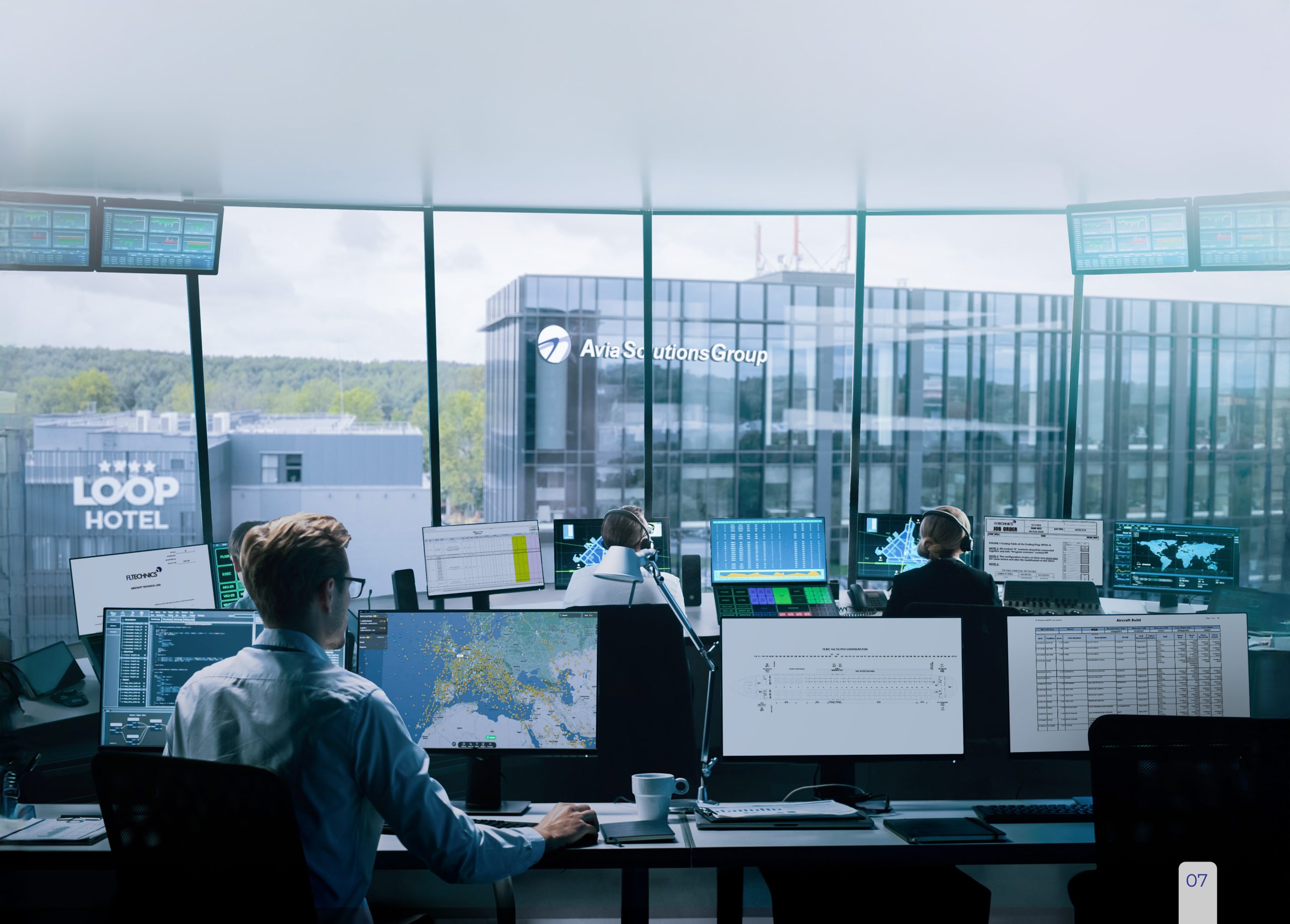
FL Technics’ Engineering department supports an extensive portfolio of aircraft under continuing airworthiness management and typically manages dozens of asset-transition projects simultaneously. Its Bangkok-based team works closer to aircraft, operators and MRO providers while drawing on the company’s broader CAMO, engineering and technical asset management capabilities, supporting aircraft from pre-purchase and mid-lease inspections through records review, physical surveys and maintenance supervision to delivery, redelivery and continuing airworthiness management. “Managing one aircraft transition is primarily a technical challenge; managing several assets across different operators and jurisdictions becomes a question of visibility, consistency and speed of decision-making,” Pilipunas said. “Our role is to give the customer a clear technical position of each asset, identify where the real exposure sits and provide the engineering capability to resolve it, locally where necessary and through our wider engineering organisation where specialist support is required.”
Source and Images: FL Technics