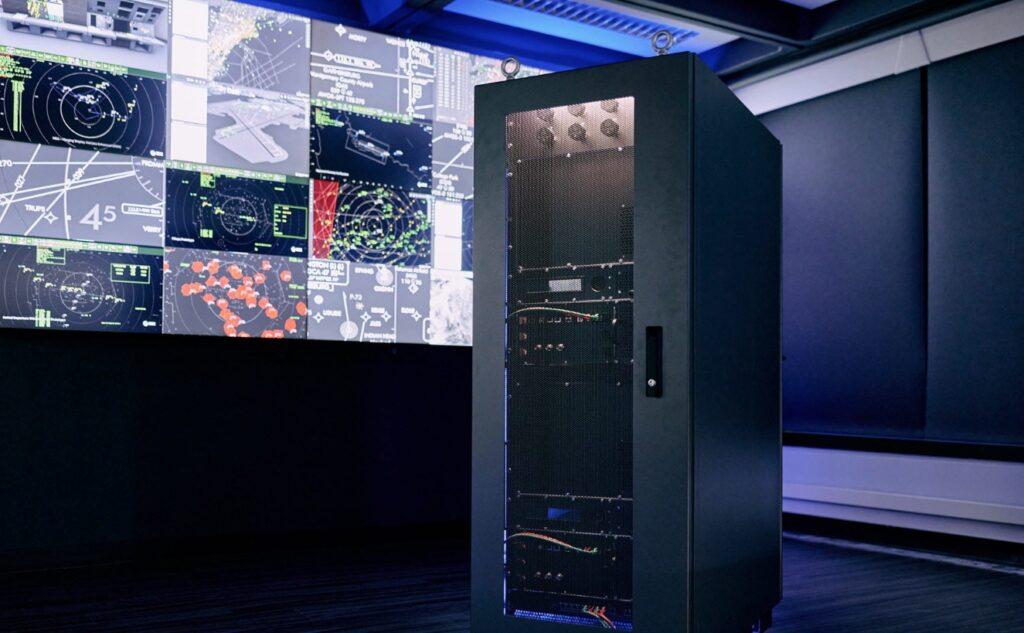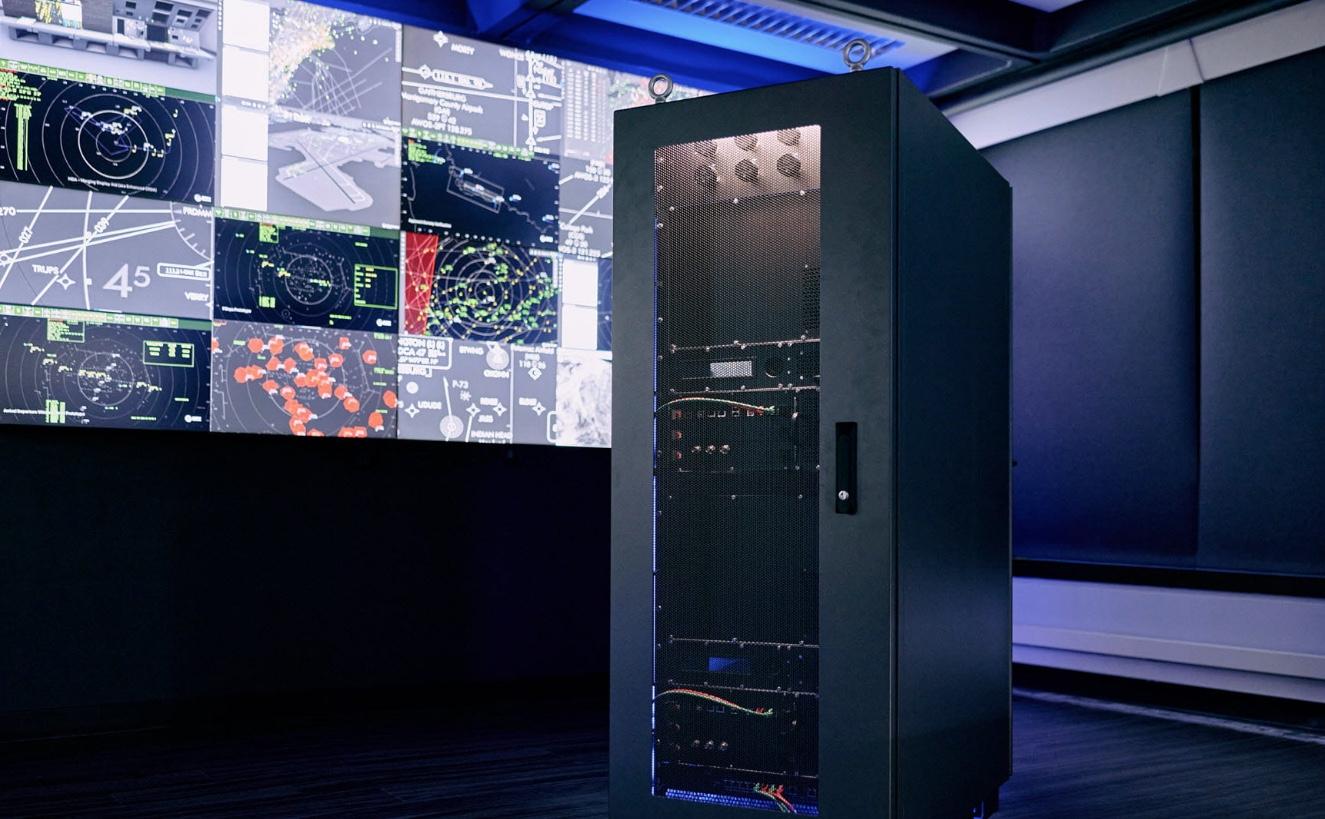
RTX subsidiary Collins Aerospace secures a $438 million FAA contract to deploy next-generation surveillance radars supporting modernisation of the U.S. National Airspace System..
Collins Aerospace, an RTX business, has been awarded a US$438 million contract by the Federal Aviation Administration to support the Radar System Replacement programme, a central element of efforts to modernise the United States National Airspace System.
Announced on 5 January 2026, the award forms part of the Department of Transportation’s Brand New Air Traffic Control System initiative. Under the contract, Collins Aerospace will deliver next-generation cooperative and non-cooperative surveillance radar systems designed to provide air traffic controllers with reliable and secure operational information.
The new radar architecture will replace multiple legacy systems with a unified, adaptable and cost-effective solution, simplifying air traffic control operations while enhancing safety and efficiency for all airspace users. The systems are designed to integrate with existing infrastructure and support long-term sustainability of the national airspace.
Nate Boelkins, President of Avionics at Collins Aerospace, said the company is prepared to rapidly deploy the new technology, building on more than 70 years as a trusted FAA supplier. He noted that the modern, interoperable radar systems will improve operational efficiency, reduce long-term costs and ensure readiness for the future evolution of the National Airspace System.
The contract includes delivery of the Condor Mk3, a cooperative surveillance radar that communicates directly with aircraft transponders, and the ASR-XM, a non-cooperative radar that detects aircraft through reflected signals. Both systems have already met FAA surveillance requirements through prior test-site certification activities.
More than 550 RTX radar systems are currently operating within the national airspace, providing an established foundation for large-scale modernisation. The Condor Mk3 and ASR-XM systems offer precise aircraft tracking capabilities, particularly at lower altitudes, supporting enhanced situational awareness for air traffic controllers.
SOURCE AND IMAGE: RTX COLLINS AEROSPACE