
Tecnam’s P2008JC NG receives EASA CS-23 certification and enters service, introducing a next-generation training aircraft focused on safety, efficiency, and modern avionics.
Next-generation trainer delivered following CS-23 Amendment 6 approval
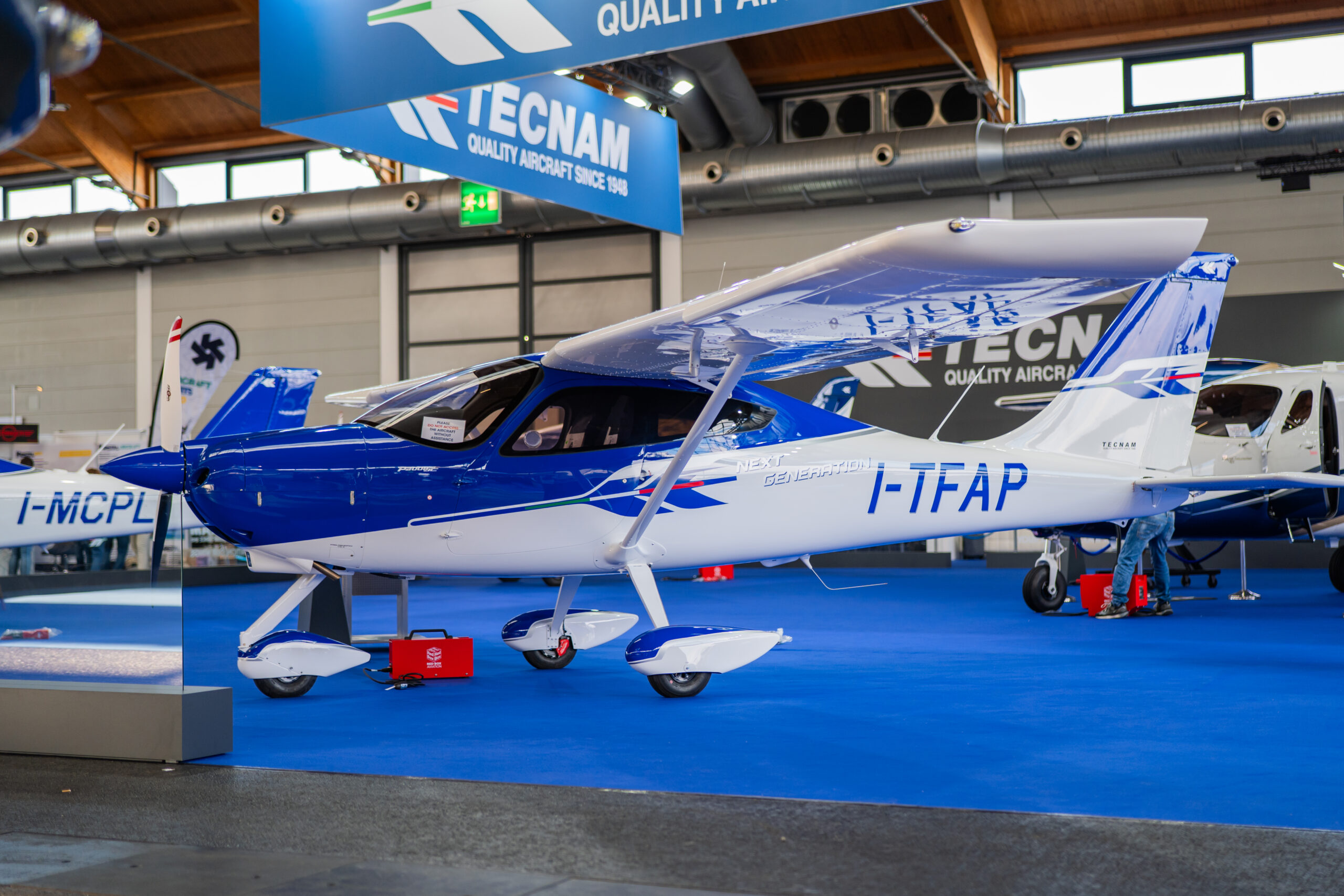
Tecnam has received European certification for its new Tecnam P2008JC NG and completed the first delivery during AERO Friedrichshafen 2026.
The aircraft was formally awarded its type certificate by European Union Aviation Safety Agency Executive Director Florian Guillermet, before being handed over to the Tecnam Flight Academy, marking its entry into operational service.
CERTIFICATION SHIFT RAISES SAFETY STANDARD
The P2008JC NG has been certified under EASA CS-23 Amendment 6 standards, representing a transition from the earlier CS-VLA category.
This certification places the aircraft within a higher safety classification for general aviation, with particular emphasis on improved handling characteristics at low speeds—an important consideration for ab-initio pilot training. The revised certification framework also supports greater operational flexibility for flight training organisations.
DESIGNED FOR TRAINING ENVIRONMENTS
Tecnam has retained its hybrid airframe concept, combining a carbon-fibre fuselage with metal wings and stabilator structures. This approach is intended to balance structural durability with ease of maintenance, particularly in high-utilisation training environments.
The aircraft is powered by a Rotax 912 iSc2 fuel-injected engine, offering reduced fuel consumption and the ability to operate on automotive fuel. This is expected to contribute to lower operating costs and reduced emissions compared with traditional AvGas-powered trainers.
MODERN AVIONICS AND OPERATIONAL EFFICIENCY
The cockpit is equipped with a Garmin G3X Touch glass flight deck, aligning the aircraft with contemporary airline training environments. Additional features include updated safety restraints and optional autopilot capability for advanced training applications.
FOCUS ON TRAINING INFRASTRUCTURE
The introduction of the P2008JC NG reflects ongoing evolution in flight training platforms, where safety standards, operating economics, and avionics integration are increasingly central to fleet selection decisions.
The aircraft’s certification and entry into service highlight the continued alignment between regulatory frameworks and training system requirements as the industry prepares future flight crews.
SOURCE AND IMAGE: Tecnam