
Artemis II crew surpasses Apollo 13 distance record during lunar flyby, validating Orion systems and advancing NASA’s deep space programme. RECORD-BREAKING DISTANCE On 6 April, the Orion spacecraft Integrity carried its four-person crew to a distance of approximately 406,770 km from Earth, surpassing the previous record set by the Apollo 13 mission in 1970.   […]

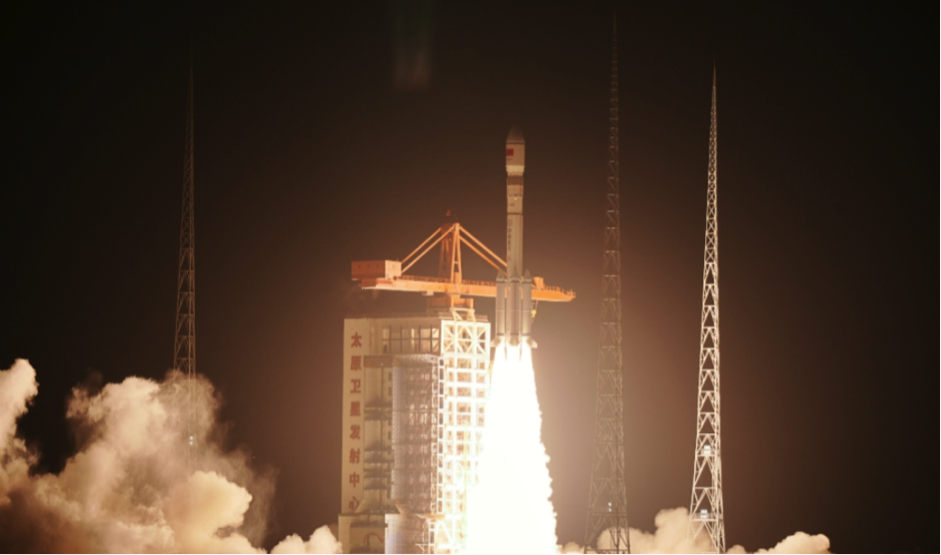
China has released the first set of observation images from the Fengyun-4C meteorological satellite, highlighting its capability in weather and space environment monitoring. Expanded observation capability The China Meteorological Administration confirmed that the initial images demonstrate the satellite’s ability to support real-time monitoring across a wide range of atmospheric and space-based parameters.   Fengyun-4C carries

CHINA RELEASES FIRST OBSERVATION IMAGES FROM FENGYUN-4C SATELLITERead More »

FASESA and Boeing launch the 2026 Pathways to Space programme, expanding the African space education initiative to South Africa and aiming to train more than 2,000 students. The Future African Space Explorers STEM Academy (FASESA), in collaboration with Boeing, has launched the third edition of the Pathways to Space programme, expanding the initiative to South

FASESA AND BOEING BRING PATHWAYS TO SPACE PROGRAM TO SOUTH AFRICARead More »

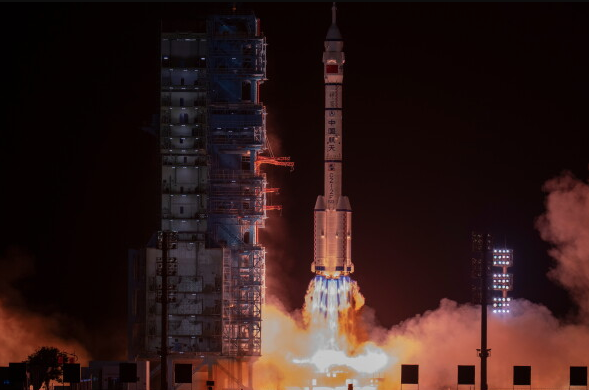
China Manned Space Agency outlines 2026 plans including two crewed missions, one cargo flight and continued progress towards a crewed lunar landing by 2030. Two crewed missions and one cargo flight planned China is scheduled to launch two crewed missions and one cargo spacecraft mission in 2026 as part of its space station operations, according

CHINA OUTLINES 2026 TASKS FOR MANNED SPACE PROGRAMMERead More »

China completes its first maritime recovery of a Long March-10 rocket first-stage booster, supporting development of reusable launch vehicle technology for future lunar and space station missions. China has successfully retrieved the first stage of the Long March-10 carrier rocket from the sea, completing the country’s first maritime salvage and recovery mission for a rocket

LONG MARCH-10 FIRST STAGE SUCCESSFULLY RETRIEVED FROM SEA IN CHINA’S FIRST MARITIME SALVAGE MISSIONRead More »

NASA’s SpaceX Crew-12 mission launched on 13 February 2026 from Kennedy Space Center, Florida, carrying an international astronaut crew and Canadian-developed Bio-Monitor health monitoring technology to the International Space Station (ISS). The Crew Dragon spacecraft launched aboard a Falcon 9 rocket and will dock with the ISS as part of the ongoing crew rotation and

CREW-12 MISSION LAUNCHES ASTRONAUTS AND CANADIAN BIO-MONITOR TECHNOLOGY TO THE INTERNATIONAL SPACE STATIONRead More »

Explore the evolution of crewed lunar missions from NASA’s Apollo program to the ongoing Artemis initiative, highlighting the shift from short-term landings to sustainable exploration. In 1969, NASA’s Apollo program made history by landing the first humans on the Moon. The Apollo missions demonstrated that human exploration of another celestial body was achievable, inspiring generations

FROM APOLLO TO ARTEMIS: THE EVOLUTION OF CREWED LUNAR MISSIONSRead More »

Integration aims to combine AI, launch capability and satellite communications within a single vertically integrated technology structure. SpaceX has announced the acquisition of xAI, bringing artificial intelligence development together with launch systems, satellite communications, space-based internet infrastructure and direct-to-mobile connectivity technologies under a single organisational structure.   According to the announcement, the integration is intended

xAI JOINS SPACEX TO ADVANCE SPACE-BASED AI AND ORBITAL INFRASTRUCTURE DEVELOPMENTRead More »

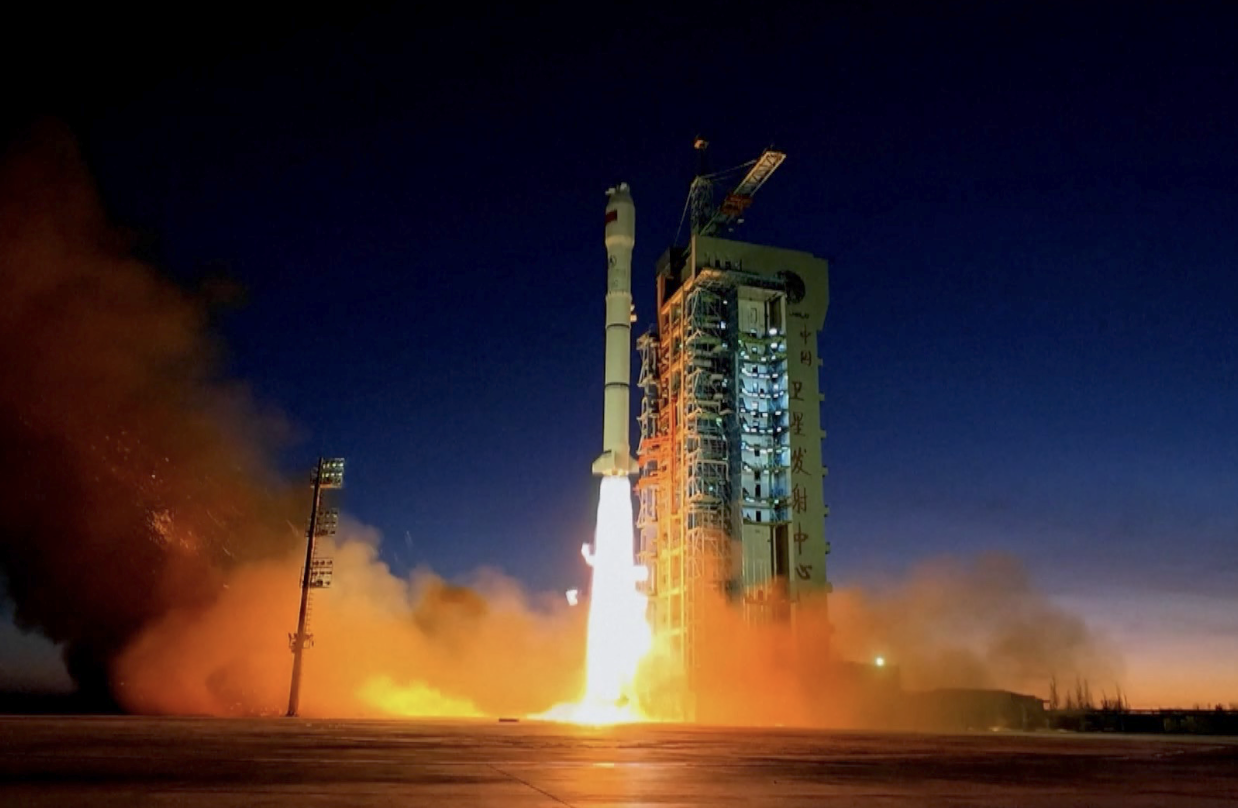
China successfully launches AlSat-3B, the second Algerian remote sensing satellite, enhancing bilateral cooperation in space technology and supporting Algeria’s land management and disaster mitigation efforts. On 31 January 2026, China successfully launched the AlSat-3B satellite for Algeria from the Jiuquan Satellite Launch Center in northwest China. The satellite was deployed into its planned orbit at

CHINA LAUNCHES SECOND ALGERIAN REMOTE SENSING SATELLITERead More »

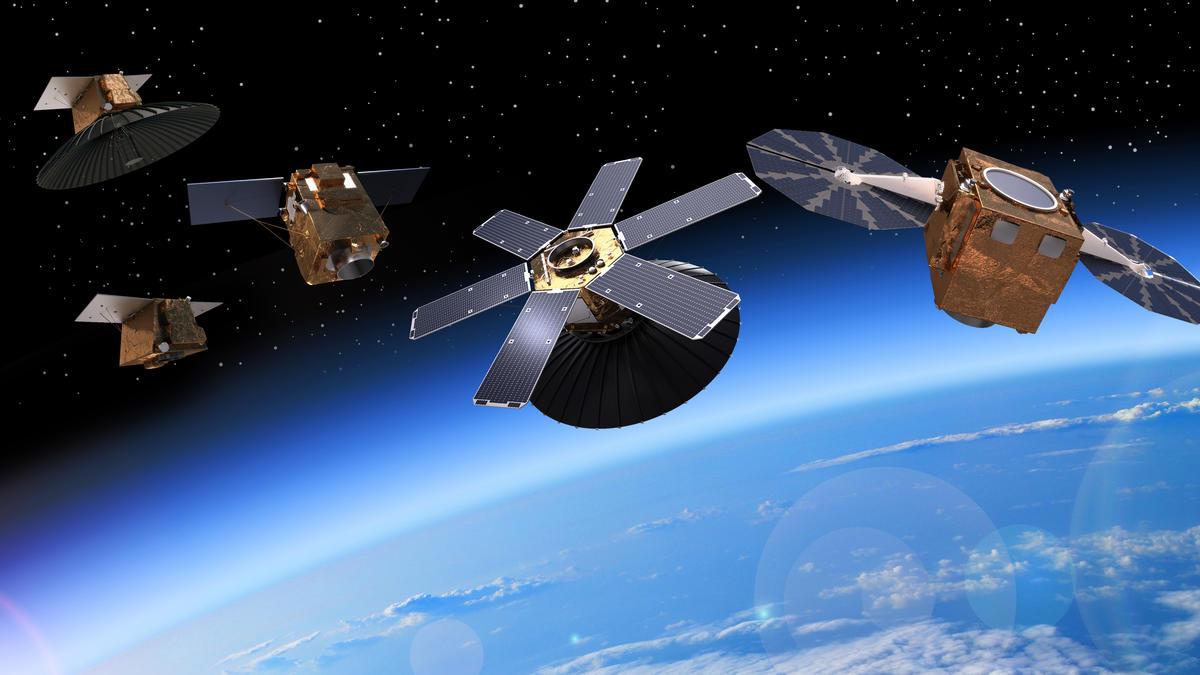
Airbus will launch its first Pléiades Neo Next Earth observation satellite in early 2028 on a Vega C rocket, expanding its geospatial imagery and intelligence capabilities. Toulouse, France | 27 January 2026 — Airbus Defence and Space has confirmed that the first satellite under its Pléiades Neo Next programme will be launched in early 2028

THE FIRST AIRBUS PLÉIADES NEO NEXT SATELLITE SCHEDULED FOR LAUNCH IN EARLY 2028Read More »