
GA-ASI and the U.S. Air Force have demonstrated advanced manned-unmanned teaming between an MQ-20 Avenger and an F-35, validating autonomy, communications and collaborative combat technologies for future air operations.
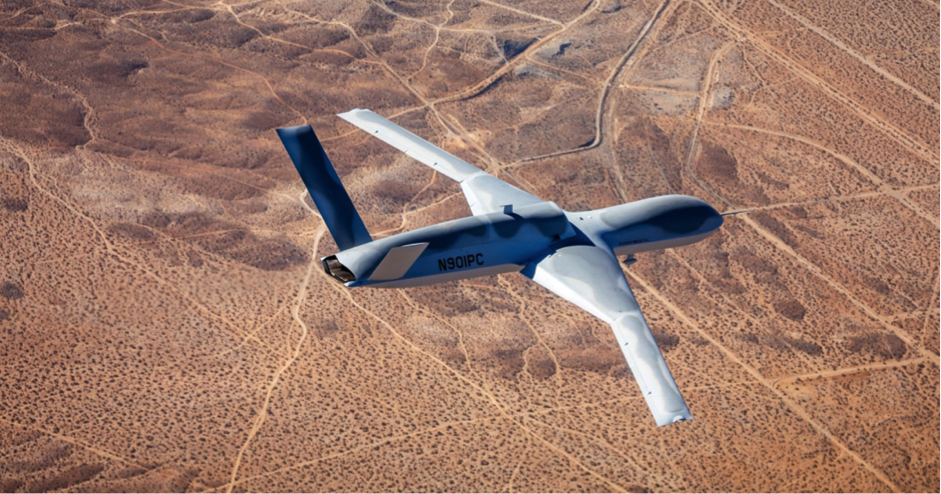
General Atomics Aeronautical Systems, Inc. (GA-ASI), in collaboration with the U.S. Air Force, the F-35 Joint Program Office, Lockheed Martin and other partners, has completed a flight test demonstrating advanced manned-unmanned teaming capabilities between an F-35 Lightning II and a GA-ASI MQ-20 Avenger surrogate Collaborative Combat Aircraft (CCA). The exercise highlighted technologies intended to support future collaborative air combat operations.
ADVANCING COLLABORATIVE COMBAT OPERATIONS
The demonstration paired an F-35 fighter aircraft with the MQ-20 Avenger, which was equipped with GA-ASI’s Tactical Autonomy Ecosystem (TacACE) software. The autonomy system is based on the latest government reference autonomy architecture and was used to support coordinated operations between the crewed and uncrewed platforms.
The exercise also validated the use of a tactical proliferated low-Earth orbit data link, enabling communications and coordination between the two aircraft. According to GA-ASI, the demonstration showed how autonomy software, communications networks and aircraft systems can be integrated to support future operational concepts.
BEYOND LINE-OF-SIGHT COMMUNICATIONS
During the test, Beyond Line-of-Sight (BLOS) communications linked an airborne MQ-20 with an F-35 on the ground. Using a tablet interface in the cockpit, the F-35 pilot was able to transmit tactical autonomy commands to the MQ-20. These commands were processed through the aircraft’s TacACE software, allowing the uncrewed aircraft to respond autonomously to mission requirements.
The MQ-20 successfully exchanged autonomous responses with the F-35 and executed a variety of assigned tasks, including tactical manoeuvres, waypoint adjustments and the transmission of ADS-B tracking data back to the fighter aircraft.
BUILDING TOWARDS OPERATIONAL READINESS
GA-ASI described the event as an important step towards operational readiness for Collaborative Combat Aircraft programmes. The company said the exercise demonstrated opportunities for integrating autonomous systems into future force structures while advancing next-generation data links, mission autonomy and uncrewed air combat capabilities.
Manned-unmanned teaming concepts are expected to play an increasingly important role in future air operations, pairing crewed aircraft with highly autonomous platforms capable of extending mission reach, increasing operational flexibility and supporting a wider range of combat and surveillance tasks.
MQ-20 CONTINUES AS TEST PLATFORM
The MQ-20 Avenger has served as a surrogate Collaborative Combat Aircraft platform for more than five years and continues to support the development of autonomous combat aviation technologies. The aircraft complements newer programmes within GA-ASI’s portfolio, including the XQ-67A Off-Board Sensing Station and YFQ-42A aircraft.